

If your furry companion struggles with stress or fear, learning how to soothe an anxious dog at home can greatly improve their quality of life. Anxiety in dogs is more common than many pet owners realize, and it can show up in behaviors like barking, pacing, or destructive chewing. In this guide, we’ll walk you through 10 proven, vet-recommended ways to soothe an anxious dog at home and help your pet feel safe, calm, and secure.
What Causes Anxiety in Dogs?
Understanding the root cause is the first step to effectively soothing an anxious dog at home. Dogs may develop anxiety due to:
- Separation from their owners
- Loud noises like fireworks or storms
- Sudden changes in routine
- Lack of early socialization
- Previous trauma or neglect
Symptoms can include trembling, whining, hiding, excessive barking, or destructive behavior. Identifying these signs early allows you to take action before anxiety worsens.
1. Create a Safe, Quiet Space
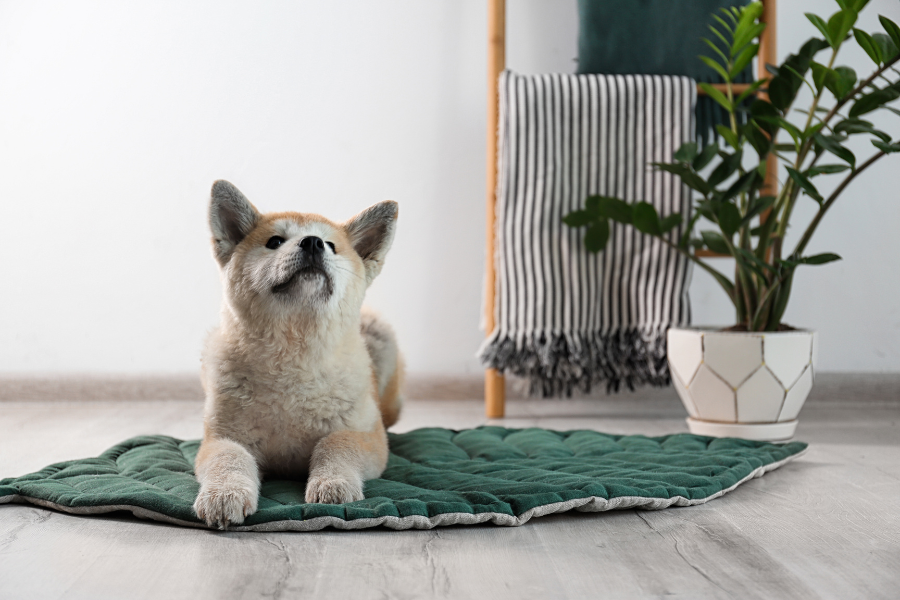
Every dog needs a place where they feel secure. A quiet, comfortable area can help soothe an anxious dog at home quickly.
- Use a crate or a dedicated corner with a soft bed
- Add familiar toys or blankets
- Keep the area away from noise and heavy foot traffic
This safe space acts as a retreat where your dog can relax during stressful situations.
2. Maintain a Consistent Daily Routine
Dogs thrive on routine. Feeding, walks, and bedtime should happen at the same time every day.
Consistency reduces uncertainty, which is a major trigger for anxiety. When your dog knows what to expect, they feel more in control and less stressed.
3. Play Calming Music or White Noise
Sound can influence your dog’s mood more than you might think.
Soft classical music or white noise can mask loud, sudden sounds that trigger anxiety. Many pet owners use calming playlists when leaving their dogs alone, which helps soothe an anxious dog at home during separation.
4. Ensure Regular Exercise and Playtime
Physical activity is essential for both mental and physical health.
- Take daily walks
- Engage in fetch or interactive games
- Use puzzle toys to challenge their mind
Exercise helps release pent-up energy and reduces stress hormones, making it easier to soothe an anxious dog at home.
5. Use Gentle Touch and Massage
Physical contact can have a calming effect on dogs.
Gently massage your dog’s neck, shoulders, and back using slow, steady movements. This helps lower heart rate and promotes relaxation.
Spending quiet time together strengthens your bond and reassures your dog that they are safe.
6. Try Anxiety Wraps or Pressure Garments
Anxiety wraps, often called thunder shirts, apply gentle, constant pressure to your dog’s body.
This pressure can:
- Reduce fear during storms
- Calm nerves during travel
- Help in stressful environments
Many dogs respond well to this method, making it a popular option for pet owners.
7. Provide Safe Chew Toys
Chewing is a natural way for dogs to relieve stress.
Offer durable, vet-approved chew toys to keep your dog occupied. This helps redirect anxious energy and prevents destructive behavior.
Chewing also releases feel-good hormones that naturally soothe an anxious dog at home.
8. Use Natural Calming Supplements
Several natural aids may help manage anxiety:
- Chamomile-based treats
- Valerian root supplements
- CBD products designed for pets
Always consult your veterinarian before introducing any supplement to ensure it’s safe and appropriate for your dog.
9. Practice Gradual Desensitization
Desensitization involves slowly exposing your dog to anxiety triggers in a controlled way.
For example:
- Play low-volume recordings of thunder
- Gradually increase the volume over time
Reward calm behavior with treats and praise. This method takes patience but can lead to long-term improvement.
10. Focus on Positive Reinforcement
Avoid punishing your dog during anxious moments. This can increase fear and worsen the problem.
Instead:
- Reward calm behavior
- Use a gentle, reassuring tone
- Stay patient and consistent
Positive reinforcement builds trust and helps your dog feel secure in stressful situations.
When Should You Contact a Veterinarian?
While many techniques can help you soothe an anxious dog at home, some cases require professional care.
Seek veterinary help if your dog:
- Shows severe or ongoing anxiety
- Stops eating or drinking
- Becomes aggressive
- Injures themselves
A veterinarian may recommend behavior therapy or prescribe medications for more serious cases.
Knowing how to soothe an anxious dog at home is essential for every pet owner. With consistent routines, a calming environment, and positive reinforcement, you can help your dog feel more relaxed and confident. Small, daily efforts can make a big difference in your pet’s emotional well-being.
If your dog continues to struggle with anxiety, the caring team at Olde Towne Animal Hospital in Southampton, NY, is ready to help. Schedule an appointment today to give your pet the support and care they need.
FAQs:
Q1: How can I quickly soothe an anxious dog at home?
Ans: Creating a quiet space, using calming music, and offering gentle physical contact are quick ways to reduce anxiety in dogs.
Q2: What are common signs of anxiety in dogs?
Ans: Signs include pacing, barking, whining, trembling, and destructive behavior, especially when left alone.
Q3: Do calming treats really work for anxious dogs?
Ans: Yes, many vet-approved calming treats can help reduce mild anxiety, but results may vary by dog.
Q4: Can exercise help reduce dog anxiety?
Ans: Regular exercise helps burn off excess energy and lowers stress, making dogs calmer overall.
Q5: When should I worry about my dog’s anxiety?
Ans: You should consult a vet if anxiety is severe, persistent, or leads to harmful behaviors like self-injury or aggression.