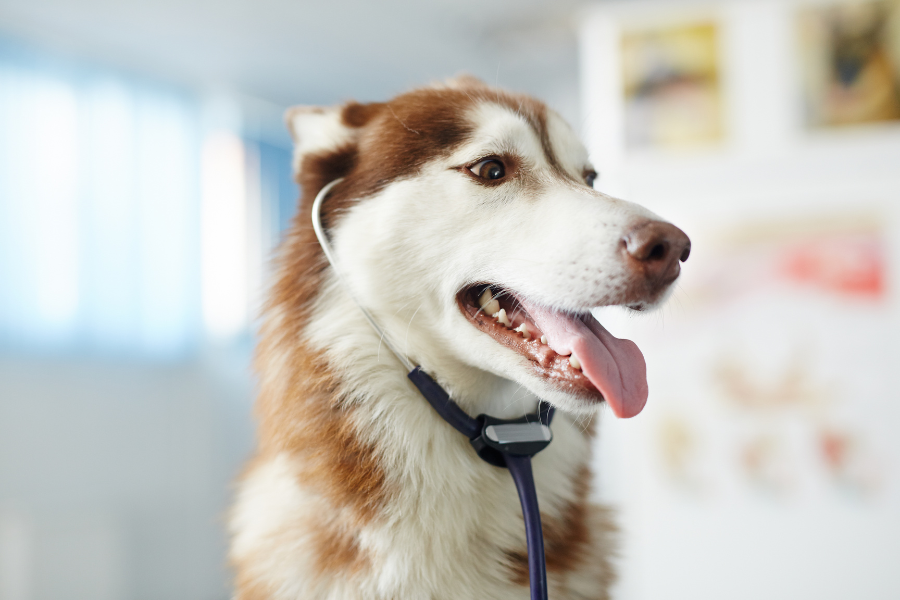



Choosing a veterinarian is one of the most important decisions you can make for your pet’s health. While many clinics provide quality care, not all veterinary hospitals meet the same standards. One designation that helps pet owners identify high-quality veterinary care is AAHA accreditation.
In this guide, you’ll learn what AAHA means, how veterinary hospitals earn accreditation, and why it matters when choosing a vet for your dog or cat. We’ll also explain the standards accredited clinics follow and how this can benefit your pet throughout every stage of life.
What Is AAHA?
American Animal Hospital Association, commonly known as AAHA, is a professional organization that accredits veterinary hospitals in the United States and Canada. Founded in 1933, AAHA developed strict standards for veterinary medicine to help ensure pets receive safe, high-quality care.
Unlike state licensing requirements, AAHA accreditation is completely voluntary. Veterinary hospitals must undergo a detailed evaluation process and consistently meet hundreds of standards related to patient care, safety, equipment, cleanliness, staff training, and medical protocols.
Only a relatively small percentage of veterinary hospitals in North America achieve AAHA accreditation, making it a strong indicator of a clinic’s commitment to excellence.
Why AAHA Accreditation Matters?
When a veterinary hospital earns AAHA accreditation, it demonstrates that the clinic goes above basic requirements to provide advanced care and maintain high operational standards.
Here’s why that matters for pet owners:
Higher Standards of Medical Care
AAHA-accredited hospitals are evaluated on many aspects of veterinary medicine, including:
- Surgical procedures
- Pain management
- Anesthesia monitoring
- Dentistry
- Diagnostic imaging
- Pharmacy practices
- Emergency preparedness
- Medical record keeping
- Infection control
These standards help create safer and more effective treatment for pets.
Focus on Patient Safety
Safety is a major part of the AAHA evaluation process. Accredited hospitals must maintain strict protocols designed to reduce risks during procedures and treatments.
Examples include:
- Monitoring pets during anesthesia
- Sterilizing surgical equipment properly
- Maintaining updated medical records
- Following pain management guidelines
- Using high-quality diagnostic equipment
This attention to detail can improve outcomes during surgeries, dental procedures, and routine care.
Ongoing Evaluations
AAHA accreditation is not permanent. Hospitals must regularly re-evaluate their practices and undergo inspections to maintain accredited status.
This means accredited clinics are continually improving and staying current with advances in veterinary medicine.
How Does a Veterinary Hospital Become AAHA Accredited?
The accreditation process is extensive and detailed. Veterinary hospitals are evaluated on hundreds of criteria covering nearly every aspect of operations and patient care.
Inspectors review areas such as:
Medical Standards
Hospitals must demonstrate proper:
- Diagnostic procedures
- Surgical safety
- Treatment planning
- Anesthesia protocols
- Pain management
Facility Cleanliness and Maintenance
AAHA inspectors assess:
- Sanitation practices
- Exam room cleanliness
- Surgical suite maintenance
- Safe medication storage
- Equipment upkeep
Team Training and Communication
Staff members are evaluated on:
- Continuing education
- Client communication
- Medical documentation
- Emergency response preparedness
Accredited hospitals are expected to maintain consistent standards across all departments.
Benefits of Choosing an AAHA-Accredited Veterinary Hospital
For pet owners, choosing an AAHA-accredited clinic can provide additional confidence and peace of mind.
Better Preventive Care
Preventive medicine is one of the biggest priorities in AAHA standards. Accredited clinics focus on:
- Routine wellness exams
- Vaccinations
- Parasite prevention
- Nutrition counseling
- Dental care
- Early disease detection
Preventive care helps pets stay healthier and may reduce the risk of serious medical problems later.
Advanced Technology and Equipment
Many AAHA-accredited hospitals invest in modern diagnostic tools and medical equipment to improve patient care.
This may include:
- Digital X-rays
- In-house laboratory testing
- Advanced dental equipment
- Patient monitoring systems
- Ultrasound technology
Access to updated equipment can help veterinarians diagnose and treat conditions more accurately and efficiently.
Strong Pain Management Practices
AAHA places strong emphasis on recognizing and managing pain in pets. Accredited hospitals follow guidelines to help keep pets as comfortable as possible during procedures, surgeries, and recovery.
Pain management may involve:
- Pre-surgical medications
- Monitoring during procedures
- Post-operative care plans
- Customized treatment approaches
Better Communication With Pet Owners
AAHA standards encourage clear communication between veterinary teams and pet owners. This helps ensure clients understand:
- Treatment recommendations
- Preventive care plans
- Medication instructions
- Recovery expectations
- Costs and options
Good communication helps pet owners make informed decisions about their pets’ health.
Does AAHA Accreditation Mean Non-Accredited Clinics Are Bad?
No. Many non-accredited veterinary hospitals still provide excellent care. Accreditation is voluntary, and some clinics may choose not to pursue it for various reasons, including time and cost.
However, AAHA accreditation does provide an added layer of accountability and reassurance because accredited hospitals must consistently meet recognized standards of excellence.
For pet owners comparing veterinary clinics, accreditation can be a valuable factor to consider alongside:
- Veterinarian experience
- Client reviews
- Available services
- Emergency care options
- Communication style
- Convenience and location
Questions to Ask When Choosing a Veterinarian?
Whether or not a hospital is AAHA-accredited, it’s smart to ask questions before selecting a veterinary clinic.
Consider asking:
- What preventive care services do you offer?
- How do you monitor pets during anesthesia?
- Do you provide dental X-rays?
- What emergency procedures are available?
- How do you manage pain after surgery?
- What continuing education does your staff complete?
These questions can help you better understand the quality of care your pet will receive.
How AAHA Standards Improve Long-Term Pet Health?
One of the biggest advantages of AAHA-accredited care is consistency. Pets benefit when veterinary teams follow proven protocols for examinations, diagnostics, surgery, and preventive medicine.
Consistent care can lead to:
- Earlier disease detection
- Better chronic disease management
- Safer surgeries
- Improved dental health
- Healthier senior pets
- Longer quality of life
From puppy and kitten visits to senior pet care, standardized medical practices help support better outcomes throughout a pet’s life.
Conclusion
AAHA accreditation is an important sign that a veterinary hospital is committed to maintaining high standards in patient care, safety, and medical excellence. While accreditation is voluntary, hospitals that earn this recognition undergo extensive evaluations and continue improving their practices over time.
When choosing a veterinarian, AAHA accreditation can give pet owners added confidence that their pets are receiving quality care backed by trusted veterinary standards. If you are looking for compassionate, high-quality veterinary care for your pet, the team at Olde Towne Animal Hospital in Southampton, NY is here to help support your pet’s health at every stage of life.
FAQs
Q1: What does AAHA stand for in veterinary medicine?
Ans: AAHA stands for the American Animal Hospital Association, an organization that accredits veterinary hospitals based on high standards of care and safety.
Q2: Is AAHA accreditation required for veterinary clinics?
Ans: No, AAHA accreditation is voluntary. Veterinary hospitals choose to pursue accreditation to demonstrate their commitment to high-quality care.
Q3: How can I tell if a veterinary hospital is AAHA-accredited?
Ans: Many accredited clinics display the AAHA logo on their website or inside the hospital. You can also search the AAHA hospital directory online.
Q4: Are AAHA-accredited hospitals more expensive?
Ans: Costs can vary between clinics. While some accredited hospitals may invest more in technology and advanced care, pricing depends on the services provided and the clinic’s location.
Q5: Why is AAHA accreditation important for pet safety?
Ans: AAHA standards focus heavily on patient safety, anesthesia monitoring, pain management, cleanliness, and medical protocols that help improve care quality and reduce risks for pets.