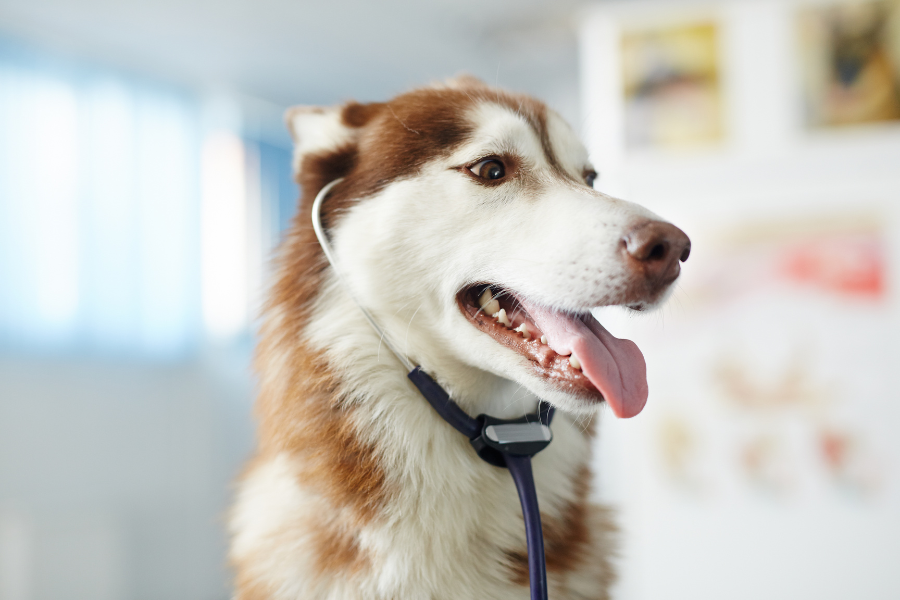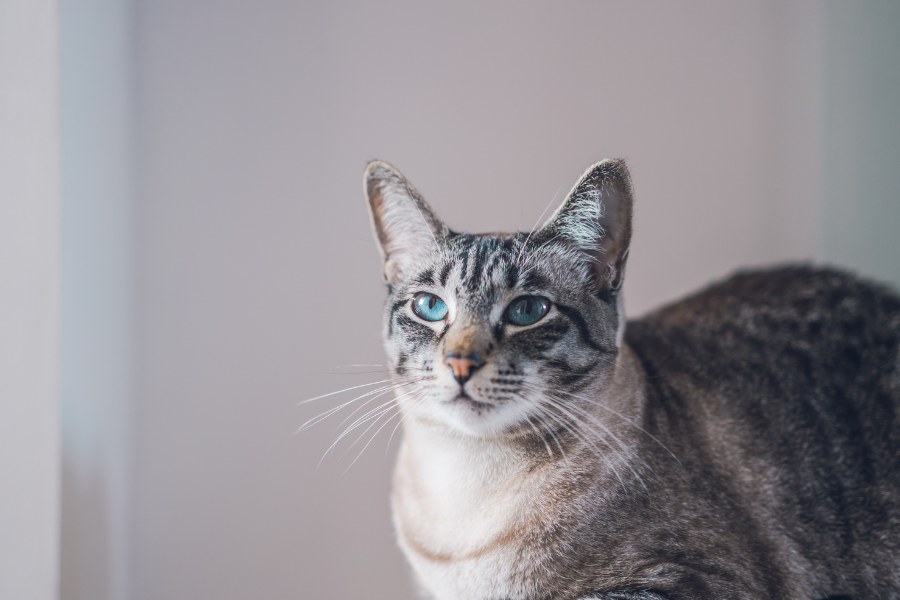


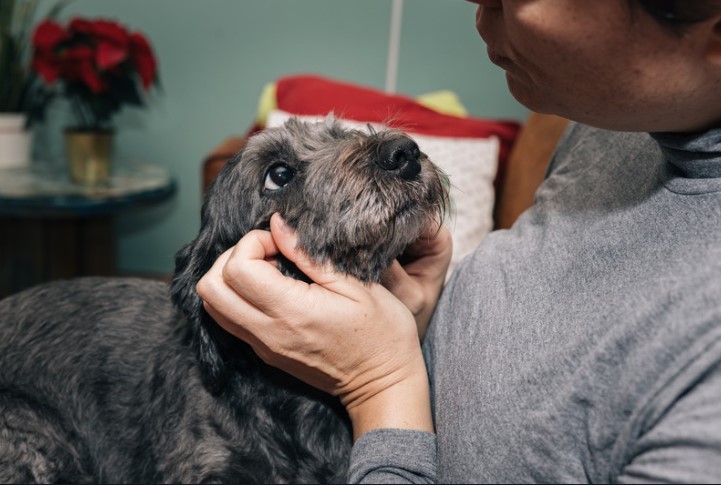
As pets grow older, their health needs change quickly. Conditions like arthritis, dental disease, kidney problems, and weight changes can develop gradually and become serious before obvious symptoms appear. Scheduling more frequent visits with your veterinarian helps catch issues early, improves your pet’s comfort, and can extend both lifespan and quality of life.
In this guide, you’ll learn why senior pets benefit from regular veterinary care, what happens during senior wellness exams, and how frequent vet visits help dogs and cats stay healthier during their later years.
Why Aging Pets Need More Veterinary Care?
Pets age faster than humans, which means health changes can happen within months instead of years. A dog or cat that seemed healthy at their last annual exam may develop chronic conditions sooner than many owners expect.
Most veterinarians consider pets “senior” around these ages:
- Small dogs: 7 to 10 years
- Large breed dogs: 5 to 7 years
- Cats: Around 7 years
As pets age, their immune systems weaken, and their bodies become less efficient at repairing damage. This increases the risk of illnesses that may not show obvious signs at first.
More frequent vet visits allow veterinarians to:
- Detect disease earlier
- Monitor ongoing health conditions
- Adjust nutrition and medications
- Manage pain effectively
- Track weight and mobility changes
- Improve long-term quality of life
For many senior pets, visiting the vet every six months is recommended instead of once a year.
Common Health Problems in Senior Pets
Older pets are more likely to develop chronic diseases that require monitoring and ongoing treatment. Routine vet appointments help identify these issues before they become severe.
Arthritis and Joint Pain
Arthritis is extremely common in aging dogs and cats. Many pets hide discomfort well, especially cats.
Signs may include:
- Difficulty climbing stairs
- Reluctance to jump
- Stiffness after resting
- Slower walks
- Limping
- Changes in mood or sleep habits
Regular vet visits help track mobility changes and allow early pain management through medication, supplements, weight control, or lifestyle adjustments.
Dental Disease
Dental disease affects most pets by the time they become seniors. Untreated dental problems can lead to pain, tooth loss, infections, and even organ damage.
Your vet may check for:
- Bad breath
- Inflamed gums
- Loose teeth
- Oral infections
- Difficulty chewing
Professional dental care can significantly improve comfort and overall health.
Kidney Disease
Kidney disease is especially common in older cats, but it can affect dogs as well. Early symptoms are often subtle.
Warning signs include:
- Increased thirst
- More frequent urination
- Weight loss
- Reduced appetite
- Vomiting
Routine bloodwork and urine testing during senior vet visits can identify kidney problems early, when treatment is often more effective.
Heart Disease
Heart conditions become more common with age, particularly in certain dog breeds and senior cats.
Veterinarians may detect:
- Heart murmurs
- Irregular heartbeat
- Fluid buildup
- Breathing abnormalities
Early diagnosis can help slow disease progression and improve comfort.
Cancer
Cancer risk rises significantly as pets age. Frequent exams help veterinarians identify lumps, swelling, skin changes, or unexplained weight loss sooner. Early detection often improves treatment options and outcomes.
What Happens During a Senior Pet Wellness Exam?
Senior wellness exams are more detailed than routine visits for younger pets. The goal is to identify hidden problems before symptoms become severe.
Your veterinarian may perform:
Comprehensive Physical Exam
This includes checking:
- Weight and body condition
- Eyes and ears
- Teeth and gums
- Heart and lungs
- Skin and coat
- Joints and mobility
- Lymph nodes
- Abdomen
Small physical changes can provide important clues about your pet’s health.
Bloodwork and Diagnostic Testing
Routine lab tests are especially valuable for older pets because many diseases are invisible in the early stages.
Common tests include:
- Complete blood count (CBC)
- Blood chemistry panel
- Urinalysis
- Thyroid testing
- Blood pressure monitoring
- Fecal testing
These tests help establish a baseline and detect trends over time.
Weight Monitoring
Even small weight changes in senior pets can signal underlying illness.
Weight loss may indicate:
- Kidney disease
- Cancer
- Diabetes
- Dental pain
Weight gain can worsen arthritis, heart disease, and mobility problems.
Frequent vet visits help monitor changes before they become dangerous.
Why Pets Hide Signs of Illness?
Many pet owners assume their senior pet is “slowing down naturally,” but subtle behavior changes often indicate pain or illness.
Dogs and cats instinctively hide weakness, which means symptoms may not become obvious until a disease is advanced.
Common signs owners may overlook include:
- Sleeping more
- Less interest in play
- Changes in appetite
- Increased vocalization
- House accidents
- Avoiding stairs or jumping
- Irritability
- Grooming changes
Regular vet visits help identify medical causes behind these behaviors.
How Often Should Senior Pets See the Vet?
Most healthy adult pets benefit from yearly wellness exams. However, senior pets often need checkups every six months.
Pets with chronic conditions may need visits even more frequently.
Your veterinarian may recommend additional monitoring if your pet has:
- Diabetes
- Arthritis
- Kidney disease
- Heart disease
- Thyroid disorders
- Cancer
- Obesity
More frequent appointments allow treatment plans to be adjusted before complications develop.
The Benefits of Early Detection
Early diagnosis is one of the biggest reasons frequent vet visits matter for older pets.
Finding the disease earlier can:
- Reduce treatment costs
- Improve treatment success
- Prevent emergencies
- Slow disease progression
- Reduce pain and discomfort
- Extend lifespan
For example, catching kidney disease early may allow dietary changes and medications that help preserve kidney function for years.
Similarly, identifying arthritis before severe joint damage develops can greatly improve mobility and comfort.
Supporting Your Senior Pet at Home
Veterinary care works best when combined with supportive home care.
You can help your aging pet by:
- Providing soft bedding
- Keeping a healthy weight
- Using ramps or non-slip rugs
- Feeding a senior-friendly diet
- Maintaining dental hygiene
- Encouraging gentle exercise
- Watching for behavior changes
Keep notes about appetite, mobility, thirst, and bathroom habits so you can discuss changes during vet visits.
Emotional Health Matters Too
Senior pets can experience anxiety, confusion, and cognitive decline as they age. Some older dogs and cats develop symptoms similar to dementia in humans.
Signs may include:
- Pacing at night
- Confusion
- Increased anxiety
- Forgetting routines
- Changes in social behavior
Veterinarians can recommend treatments, environmental changes, and supportive care that improve mental well-being.
Conclusion
As pets age, regular senior pet care becomes more important than ever. More frequent vet visits help identify health problems earlier, manage chronic conditions, and improve your pet’s comfort during their senior years. Even subtle changes in behavior or mobility can signal underlying issues that benefit from prompt medical attention. If your dog or cat is entering their senior years, book an appointment with Olde Towne Animal Hospital in Southampton, NY, to help your pet stay healthy, comfortable, and active for as long as possible.
FAQs
Q1: How often should senior pets go to the vet?
Ans: Most senior pets should visit the vet every six months. Pets with chronic health conditions may need more frequent monitoring and testing.
Q2: At what age is a pet considered a senior?
Ans: Cats and small dogs are generally considered seniors around age 7, while large breed dogs may become seniors as early as age 5 or 6.
Q3: Why are regular vet visits important for older pets?
Ans: Frequent vet visits help detect diseases early, manage pain, monitor chronic conditions, and improve your pet’s overall quality of life.
Q4: What tests are commonly done during senior pet exams?
Ans: Senior wellness visits often include bloodwork, urinalysis, blood pressure checks, weight monitoring, and comprehensive physical exams.
Q5: What are common signs of illness in older pets?
Ans: Common signs include weight loss, increased thirst, mobility problems, appetite changes, confusion, and decreased activity levels.