

Pets can develop unexpected health problems that need attention sooner than a routine appointment. A dog may suddenly start limping, a cat may experience repeated vomiting, or a pet may develop an unusual change in appetite or behavior. When these concerns arise, urgent veterinary care can help identify the cause and determine an appropriate treatment plan.
However, many pet owners are unsure what urgent veterinary care actually includes. Does it cover minor injuries? Can a veterinarian perform diagnostic tests during the visit? What happens if a pet needs additional treatment?
Understanding the scope of urgent pet care can help you recognize when to contact a veterinary hospital and what to expect from the evaluation.
What Is Urgent Veterinary Care
Urgent veterinary care focuses on sudden illnesses, injuries, and changes in health that require prompt veterinary attention. These concerns may not be part of a pet’s regular wellness schedule, but delaying an assessment could allow discomfort or an underlying condition to continue.
The veterinarian evaluates the pet’s symptoms, medical history, and physical condition before recommending suitable care.
Urgent veterinary care may include:
- Assessment of sudden illnesses and injuries
- Physical examinations
- Diagnostic testing
- Wound evaluation and treatment
- Medication recommendations
- Pain and inflammation management
- Guidance for home care and recovery
- Follow-up examinations when necessary
The exact services available depend on the veterinary hospital, the pet’s condition, and the diagnostic or treatment resources required.
Common Conditions That May Require Urgent Veterinary Attention
Dogs and cats can experience many health concerns that need same-day assessment. Recognizing common symptoms can help owners decide when to contact their veterinarian.
1. Digestive Problems
Vomiting, diarrhea, and sudden changes in appetite can occur for several reasons, including dietary changes, intestinal irritation, infections, or other medical conditions.
A veterinarian may evaluate hydration, abdominal comfort, and other physical findings before deciding whether diagnostic testing is needed.
2. Minor Wounds and Skin Injuries
Cuts, scratches, swelling, and localized skin injuries may require professional cleaning and assessment. The veterinarian checks the affected area to determine whether medication, wound care, or additional treatment is appropriate.
3. Sudden Limping or Mobility Changes
A pet that suddenly avoids using a leg may have a strain, joint problem, soft tissue injury, or another orthopedic concern.
The veterinarian may examine the affected limb and recommend imaging when necessary.
4. Ear and Eye Problems
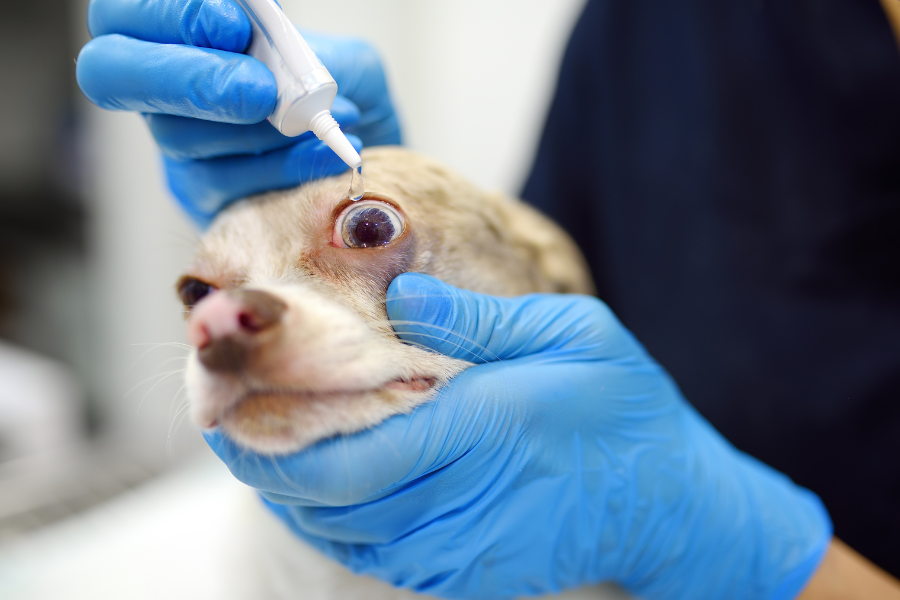
Head shaking, ear discharge, redness, squinting, and unusual eye discharge can indicate irritation or infection.
Prompt evaluation can help identify the underlying problem and guide suitable treatment.
5. Changes in Urination
Frequent urination, accidents indoors, straining, or changes in urine output may indicate a urinary health concern. Inability to pass urine requires immediate veterinary guidance.
6. Sudden Behavioral Changes
Hiding, unusual irritability, reduced activity, or reluctance to be touched may sometimes indicate pain or illness.
Because pets cannot explain what they are experiencing, changes in normal behavior deserve attention.
What Happens During an Urgent Veterinary Examination
An urgent veterinary visit usually begins with a review of your pet’s symptoms and medical history. The veterinarian then performs a physical examination to understand the condition and identify areas that need further investigation.
The examination may include:
| Assessment | Purpose |
|---|---|
| General physical examination | Evaluates overall health and visible symptoms |
| Temperature and vital signs | Provides information about important body functions |
| Abdominal examination | Checks for tenderness or unusual findings |
| Skin, ears, and eyes | Identifies irritation, wounds, or visible abnormalities |
| Mobility assessment | Evaluates movement, joint comfort, and possible injuries |
The veterinarian may ask when the symptoms started, whether they have changed, and whether your pet has experienced similar problems before.
Providing accurate information helps the veterinary team make informed decisions.
Diagnostic Testing and Treatment Options
Not every pet needs diagnostic testing during an urgent visit. However, tests can help investigate conditions that are difficult to identify through a physical examination alone.
Blood Testing
Blood tests can provide information about blood cell levels, organ function, and other health indicators. They may help investigate several possible causes of illness.
Urinalysis
Urine testing can help evaluate urinary health and investigate changes in urination or other selected medical concerns.
Digital X-Rays
Digital X-rays help veterinarians examine bones, joints, and certain internal structures. They may be useful when a pet has an injury, limping, or other relevant symptoms.
Ultrasound
Ultrasound uses sound waves to produce images of internal structures. It may help evaluate selected abdominal organs and soft tissues.
Medication and Supportive Treatment
Depending on the diagnosis, treatment may involve prescribed medication, wound care, fluid support, pain management, or other appropriate interventions.
The veterinarian will explain the purpose of recommended treatments and whether your pet needs additional monitoring.
When Does a Pet Need More Than an Urgent Care Appointment
Some conditions require more extensive medical attention than a veterinary hospital can provide during a standard urgent appointment.
Depending on the pet’s symptoms and examination findings, the veterinarian may recommend:
- Additional diagnostic testing
- Extended monitoring
- Hospitalization
- Specialist evaluation
- Referral to another veterinary facility
If your pet has difficulty breathing, collapses, experiences uncontrolled bleeding, or cannot pass urine, seek immediate veterinary guidance rather than waiting for a routine appointment.
The appropriate next step depends on the specific symptoms and the resources available at the treating facility.
How Olde Towne Animal Hospital Approaches Urgent Pet Care
Access to timely veterinary assessment can help pet owners address unexpected health concerns. Olde Towne Animal Hospital in Southampton provides urgent pet care and has in-house diagnostic capabilities to help evaluate a range of medical conditions.
Its published hospital information describes diagnostic resources such as in-house blood testing, digital X-rays, urinalysis, and ultrasound services. The appropriate diagnostic approach depends on the individual patient’s needs.
Pet owners should call ahead when possible to explain their pet’s symptoms and confirm current availability.
Hypothetical Case Study: A Dog With Sudden Limping
A dog named Cooper suddenly begins limping after a walk. His owner notices that he is reluctant to put weight on one leg and decides to contact a veterinary hospital.
During the appointment, the veterinarian reviews Cooper’s activity history and examines the affected limb. Based on the findings, the veterinarian recommends imaging to investigate the possible cause.
After reviewing the results, the veterinarian explains the treatment options and provides instructions for limiting activity during recovery.
This example demonstrates how an urgent veterinary examination can help identify a problem and guide appropriate care.
Helping Your Pet Get the Right Care at the Right Time
Urgent veterinary care can include much more than a basic examination. Depending on the condition, it may involve diagnostic testing, wound treatment, medication, pain management, and follow-up recommendations.
Recognizing unusual symptoms and contacting a veterinary hospital promptly can help you make informed decisions about your pet’s health.
If your dog or cat develops a sudden health concern, call Olde Towne Animal Hospital at 631-283-0611 to discuss the symptoms and learn whether an urgent appointment is appropriate.
Frequently Asked Questions
1. What types of conditions are treated through urgent veterinary care?
Ans: Urgent veterinary care may address sudden vomiting, diarrhea, minor wounds, limping, eye or ear concerns, skin irritation, and changes in behavior or urination. The veterinary team determines whether the condition can be managed during the visit or requires additional care.
2. Can urgent veterinary care include diagnostic testing?
Ans: Yes. Depending on the symptoms, a veterinarian may recommend blood tests, urine testing, digital X-rays, or ultrasound. At Olde Towne Animal Hospital, available diagnostic resources can help the veterinary team investigate a range of health concerns.
3. Does every pet need medication during an urgent visit?
Ans: No. Treatment depends on the diagnosis and the pet’s condition. Some pets may need medication or wound care, while others may require monitoring, additional testing, or follow-up examinations.
4. Can cats receive urgent veterinary care?
Ans: Yes. Cats can develop sudden illnesses, injuries, digestive problems, urinary concerns, and other conditions that require prompt assessment. Contact a veterinary hospital to discuss your cat’s symptoms and appointment options.
5. What should I do if my pet’s symptoms become worse?
Ans: Contact a veterinary professional immediately for guidance. If your pet develops severe symptoms, such as difficulty breathing, collapse, or uncontrolled bleeding, seek immediate veterinary attention. Do not wait for a scheduled follow-up.