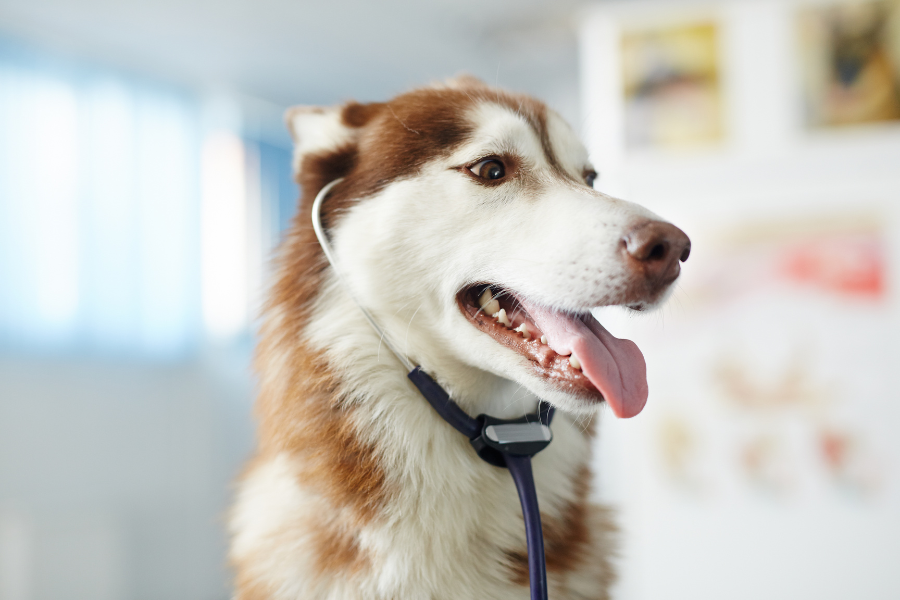


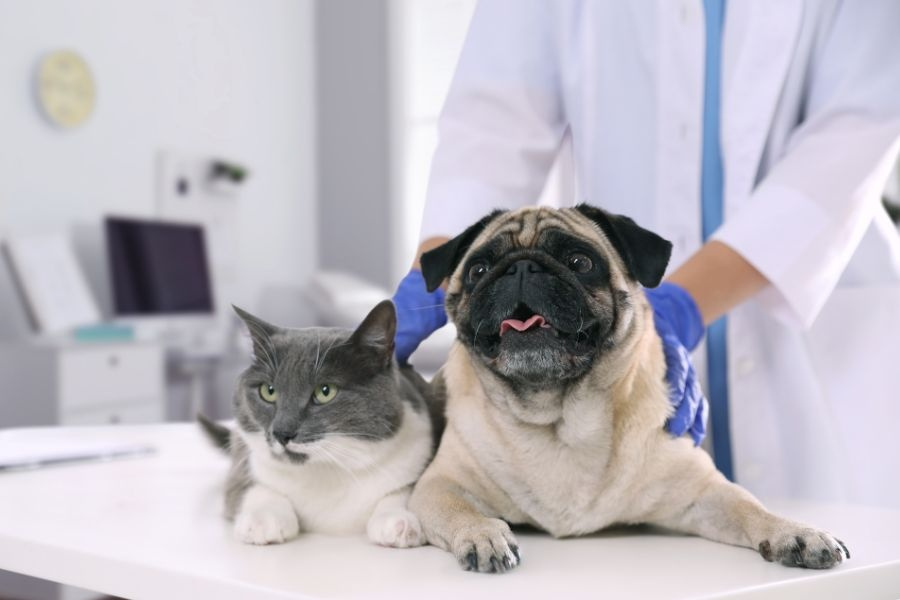
An annual wellness exam is one of the most important ways to keep your pet healthy and catch medical issues early. During these routine visits, veterinarians check your dog or cat from nose to tail, looking for signs of illness, pain, weight changes, dental problems, and age-related conditions before they become serious. In this guide, you’ll learn what happens during an annual wellness exam, why these visits matter for pets of all ages, and how routine preventive care can help your furry companion live a longer, healthier life.
Why Annual Wellness Exams Matter for Pets?
Many pet owners assume their dog or cat only needs to visit the vet when something seems wrong. However, pets are very good at hiding pain and illness. Conditions like dental disease, arthritis, heart problems, kidney disease, and obesity often develop slowly and quietly.
An annual wellness exam helps veterinarians identify health concerns early, when treatment is usually easier and more affordable. These visits also establish a health baseline, making it easier to notice subtle changes over time.
Routine wellness care can help:
- Detect illness early
- Keep vaccinations current
- Monitor weight and nutrition
- Prevent parasites
- Improve dental health
- Track senior pet changes
- Extend your pet’s quality of life
For puppies, kittens, adult pets, and seniors alike, preventive care is essential.
What Happens During an Annual Wellness Exam?
A wellness exam is a full-body health evaluation. Your veterinarian will assess your pet’s physical condition, behavior, and overall well-being. While every clinic may vary slightly, most annual visits include the following checks.
Physical Examination
The physical exam is the foundation of every annual wellness exam. Your veterinarian carefully examines your pet from head to tail.
Weight and Body Condition
Your pet’s weight is recorded and compared with previous visits. Even small weight changes can signal underlying health issues. Veterinarians also evaluate body condition score (BCS), which helps determine whether a pet is underweight, overweight, or at an ideal size.
Obesity is one of the most common health concerns in pets and can increase the risk of:
- Diabetes
- Arthritis
- Heart disease
- Breathing problems
- Joint pain
If needed, your veterinarian may recommend dietary adjustments or exercise plans.
Eyes, Ears, and Nose
Your vet checks for signs of infection, inflammation, discharge, or abnormalities.
This part of the exam may help identify:
- Ear infections
- Allergies
- Vision issues
- Cataracts
- Eye injuries
- Respiratory infections
Cats and dogs can develop chronic ear issues or eye diseases without obvious symptoms at home.
Mouth and Teeth
Dental health is a major focus during an annual wellness exam. Periodontal disease is extremely common in both dogs and cats, especially after age three.
Your veterinarian checks for:
- Plaque buildup
- Tartar
- Gum inflammation
- Loose teeth
- Broken teeth
- Oral masses
- Bad breath
Poor dental health can affect more than the mouth. Untreated dental disease may contribute to heart, liver, and kidney problems.
Skin and Coat Health
Your pet’s skin and coat reveal a lot about overall health.
The veterinarian looks for:
- Dry skin
- Hair loss
- Lumps or bumps
- Fleas or ticks
- Allergies
- Infections
- Hot spots
Skin issues are among the most common reasons pets visit the vet, and many conditions can worsen if ignored.
Heart and Lung Evaluation
Your veterinarian listens to your pet’s heart and lungs using a stethoscope.
This helps detect:
- Heart murmurs
- Irregular heartbeat
- Fluid buildup
- Respiratory problems
- Signs of heart disease
Early heart disease often has no obvious symptoms, making yearly exams especially important for older pets.
Abdominal Check
The veterinarian gently feels your pet’s abdomen to check internal organs and detect abnormalities.
This examination may identify:
- Pain or discomfort
- Enlarged organs
- Tumors
- Bladder issues
- Digestive concerns
Even pets acting normally can have hidden abdominal problems that require treatment.
Joint and Mobility Assessment
Mobility checks are especially important for senior pets.
Your vet evaluates:
- Joint flexibility
- Muscle condition
- Walking movement
- Signs of pain
- Arthritis symptoms
Dogs and cats often hide stiffness or discomfort, especially in early arthritis stages. Detecting these changes early allows for better pain management and mobility support.
Parasite Screening and Prevention
Parasites can affect pets year-round, even indoor cats.
During an annual wellness exam, your veterinarian may recommend testing or preventive medications for:
- Heartworms
- Fleas
- Ticks
- Roundworms
- Hookworms
- Intestinal parasites
Fecal exams are commonly performed to detect intestinal parasites that may not show obvious symptoms.
Heartworm prevention is particularly important because heartworm disease can become life-threatening if untreated.
Vaccination Review
Vaccinations protect pets against serious and preventable diseases.
Your veterinarian reviews your pet’s vaccine history and lifestyle to determine which vaccines are needed.
Core vaccines for dogs may include:
- Rabies
- Distemper
- Parvovirus
- Adenovirus
Core vaccines for cats often include:
- Rabies
- Feline herpesvirus
- Calicivirus
- Panleukopenia
Non-core vaccines may be recommended based on exposure risk, travel, boarding, or outdoor activity.
Bloodwork and Diagnostic Testing
Many wellness visits include routine diagnostic testing, especially for senior pets.
Bloodwork can help detect early signs of:
- Kidney disease
- Liver disease
- Diabetes
- Thyroid conditions
- Infection
- Anemia
Senior pets may also need:
- Urinalysis
- Blood pressure checks
- X-rays
- Thyroid screening
These tests often uncover health problems before symptoms become noticeable.
Nutrition and Behavior Discussion
Wellness exams are also a chance to discuss your pet’s daily habits and behavior.
Your veterinarian may talk about:
- Diet recommendations
- Weight management
- Exercise needs
- Anxiety
- Behavioral concerns
- Litter box habits
- Changes in appetite or sleep
Behavior changes can sometimes signal underlying medical conditions.
How Often Should Pets Have Wellness Exams?
Most healthy adult pets should have an annual wellness exam once a year.
However, some pets may need more frequent visits:
- Puppies and kittens often require multiple visits during their first year
- Senior pets may benefit from exams every six months
- Pets with chronic conditions may need regular monitoring
Because pets age faster than humans, yearly exams are critical for staying ahead of health issues.
Signs Your Pet Should See the Vet Sooner
Even with yearly checkups, pets should be evaluated sooner if you notice:
- Weight loss
- Vomiting or diarrhea
- Excessive thirst
- Changes in appetite
- Difficulty walking
- Bad breath
- Lethargy
- Coughing
- Skin problems
- Behavioral changes
Early care often leads to better outcomes and lower treatment costs.
How to Prepare for an Annual Wellness Exam
A little preparation can help make your pet’s visit smoother.
Before the appointment:
- Bring vaccination records
- Make notes about symptoms or behavior changes
- Bring a stool sample if requested
- List current medications or supplements
- Avoid feeding before bloodwork if instructed
For cats, using a calm carrier and a familiar blanket can reduce stress during travel.
Conclusion
An annual wellness exam is much more than a quick checkup. It is a complete health assessment designed to catch problems early, support preventive care, and help your pet live a healthier life. From dental evaluations and parasite screening to bloodwork and mobility checks, these yearly visits play a major role in your pet’s long-term well-being. If your dog or cat is due for a wellness visit, schedule an appointment with Olde Towne Animal Hospital in Southampton, NY, to keep your furry companion healthy at every stage of life.
FAQs
Q1: What is included in an annual wellness exam for dogs and cats?
Ans: An annual wellness exam typically includes a physical examination, weight check, dental evaluation, vaccine review, parasite screening, and discussions about nutrition and behavior.
Q2: How long does a pet wellness exam usually take?
Ans: Most wellness exams take between 30 and 60 minutes, depending on your pet’s age, health status, and whether diagnostic testing is performed.
Q3: Do indoor cats need annual wellness exams?
Ans: Yes, indoor cats can still develop dental disease, obesity, kidney disease, arthritis, and other health conditions that require regular monitoring.
Q4: Is bloodwork necessary during an annual wellness exam?
Ans: Routine bloodwork is often recommended, especially for senior pets, because it can detect hidden health problems before symptoms appear.
Q5: How often should senior pets have wellness exams?
Ans: Senior dogs and cats often benefit from wellness exams every six months to closely monitor age-related health changes and chronic conditions.