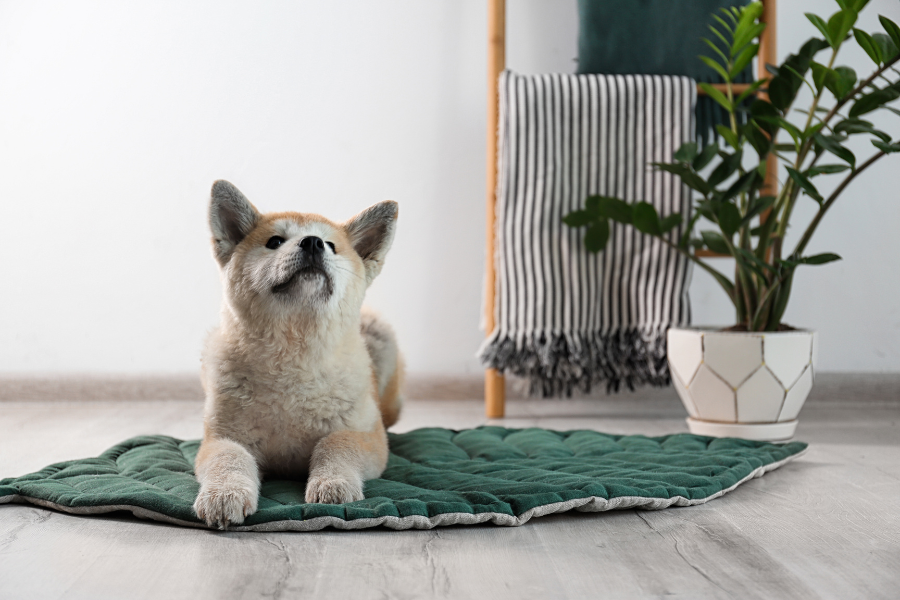


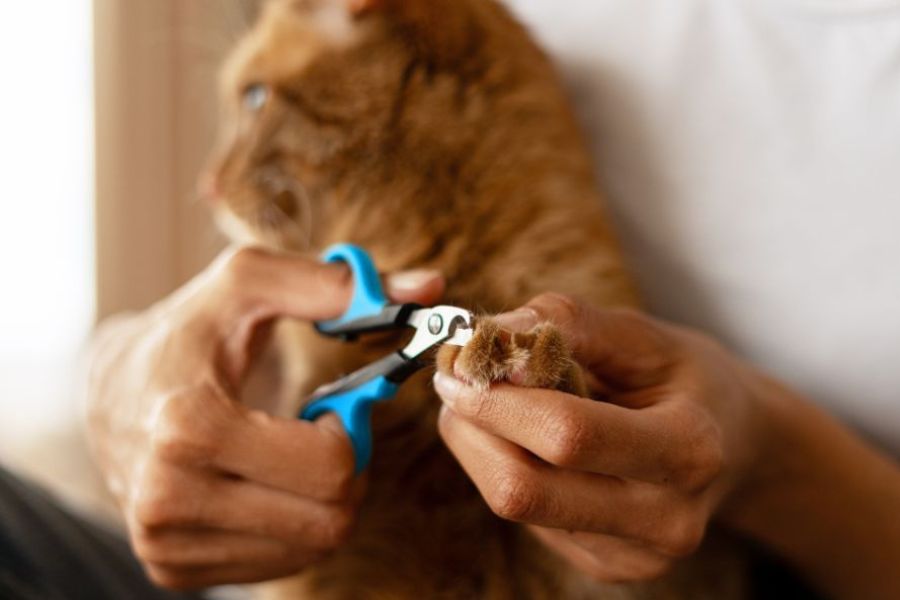
Keeping your pet’s nails trimmed is essential for their comfort, mobility, and overall health. Long nails can cause pain, posture issues, and even infections, but the good news is you can safely trim pet nails at home with the right tools and techniques. In this comprehensive pet nail trimming guide, you’ll learn how to choose the best pet nail clippers, how often to trim pet nails, and how to handle nail trimming for anxious pets. This article walks you through every step so you can groom confidently and keep your pet happy and healthy.
Why Nail Trimming Matters for Your Pet’s Health
Regular nail care does more than improve appearance; it keeps pets pain-free and prevents long-term issues. Overgrown nails can cause:
- Difficulty walking or standing
- Joint strain due to altered gait
- Painful splits or cracks
- Increased risk of infections
- Damage to flooring or furniture
Nail trimming is an essential part of Pet Grooming, and doing it at home saves time and reduces stress for pets who dislike going to an animal hospital near you.
How Often to Trim Pet Nails
The right trimming schedule depends on breed, lifestyle, and activity level. On average:
- Dogs: Every 3–4 weeks
- Cats: Every 2–4 weeks
- Indoor pets: More frequent trims due to less natural nail wear
- Senior pets: Nails grow faster and may need extra attention
Signs it’s time for a trim:
- Clicking sounds on the floor
- Nails curling inward
- Pets chewing or licking their paws
- Visible discomfort while walking
Setting a calendar reminder makes it easier to stay consistent with routine nail care.
Choosing the Best Pet Nail Clippers
Using the right tools can make trimming smoother and safer. Popular options include:
Guillotine Clippers
Ideal for small to medium pets. They have a hole to insert the nail and a blade that slices cleanly. Beginners find them easy to control.
Scissor-Style Clippers
Perfect for large dogs or thick nails. They look like small scissors and offer strong cutting power.
Nail Grinders
A great option for smoothing rough edges or avoiding clipping altogether. Many anxious pets tolerate grinding better because it’s gradual and less sudden.
Step-by-Step Pet Nail Trimming Guide
This pet nail trimming guide breaks the process into easy steps so you feel confident grooming at home.
Step 1: Create a Calm Environment
Choose a quiet area with good lighting. For pets with grooming anxiety, offer treats or calming sprays before you begin. Allow them to sniff the tools.
Step 2: Position Your Pet Safely
For dogs, have them sit or lie on their side. For cats, wrap them gently in a towel (a “purrito”) if needed. A second person can help keep the pet relaxed.
Step 3: Identify the Quick
The quick is the pink area inside the nail containing nerves and blood vessels.
- On light nails, it’s visible.
- On dark nails, trim tiny amounts at a time to avoid hitting it.
Step 4: Start Trimming Slowly
Cut small sections of the nail tip at a 45-degree angle.
- Reward with a treat after each successful clip.
- If using a grinder, work in short bursts to avoid heat buildup.
Step 5: Smooth and Reward
Use a grinder or file to smooth rough edges. Always end with praise or a high-value treat to create positive associations.
Nail Trimming for Anxious Pets
Some pets get nervous during grooming, especially if they’ve had a bad experience. Here’s how to help:
- Practice touch desensitization by handling paws gently every day.
- Try trimming one nail per session instead of all at once.
- Use calming treats, pheromone sprays, or soothing background music.
- Choose grinders instead of clippers for pets who fear snapping sounds.
If your pet becomes too stressed, stop and try again later. Over time, many pets become more comfortable with routine grooming.
Common Nail Trimming Mistakes to Avoid
Even experienced pet parents can make trimming errors. Avoid these pitfalls:
- Cutting nails too short: causes pain and bleeding
- Rushing the process: increases pet anxiety
- Using dull tools leads to crushed or split nails
- Skipping dewclaws: they grow fast and easily curl
- Ignoring signs of infection: redness, swelling, or foul odor
If you notice abnormalities in the nail or paw, consult your nearest veterinarian in Southampton for professional guidance.
When to See a Veterinarian for Nail Care
While most pets can be groomed at home, some situations need medical support:
- Bleeding that won’t stop
- Extreme anxiety or aggression
- Ingrown nails
- Nail infections
- Broken nails are causing visible pain
Veterinarians can safely trim nails, apply sedation if needed, and address underlying health issues affecting nail growth.
Additional Pet Grooming Tips for Healthy Paws
Beyond nail trimming, maintain overall paw hygiene:
- Inspect paws weekly for debris, cuts, or swelling
- Moisturize dry paw pads with pet-safe balms
- Keep fur around the paws trimmed for grip and cleanliness
- Wipe paws after outdoor walks to prevent irritation
Routine paw care helps avoid injuries and keeps pets comfortable year-round.
Conclusion
Regular nail care improves your pet’s comfort, prevents injuries, and makes everyday movement easier. With the right tools, patience, and practice, you can confidently trim pet nails at home and incorporate routine paw care into your grooming routine. If you’re near Southampton and looking for an animal hospital near me for expert support, Olde Towne Animal Hospital offers compassionate, professional care to keep your pet’s paws healthy and stress-free.
FAQs
Q1: How often should I trim my pet’s nails at home?
Ans: Most pets need trims every 2–4 weeks, depending on activity level and nail growth rate.
Q2: What are the best pet nail clippers for beginners?
Ans: Scissor-style clippers are strong and easy to control, while guillotine clippers are ideal for smaller pets.
Q3: How do I trim my pet’s nails if they have dark nails?
Ans: Trim tiny amounts at a time and stop when you see a gray or white dot appear — it means you’re close to the quick.
Q4: What should I do if I accidentally cut my pet’s quick?
Ans: Apply styptic powder or cornstarch to stop bleeding and give your pet a break to calm down.
Q5: How can I help an anxious pet stay calm during nail trimming?
Ans: Use treats, calming pheromones, slow movements, and start with short, positive grooming sessions to build trust.