

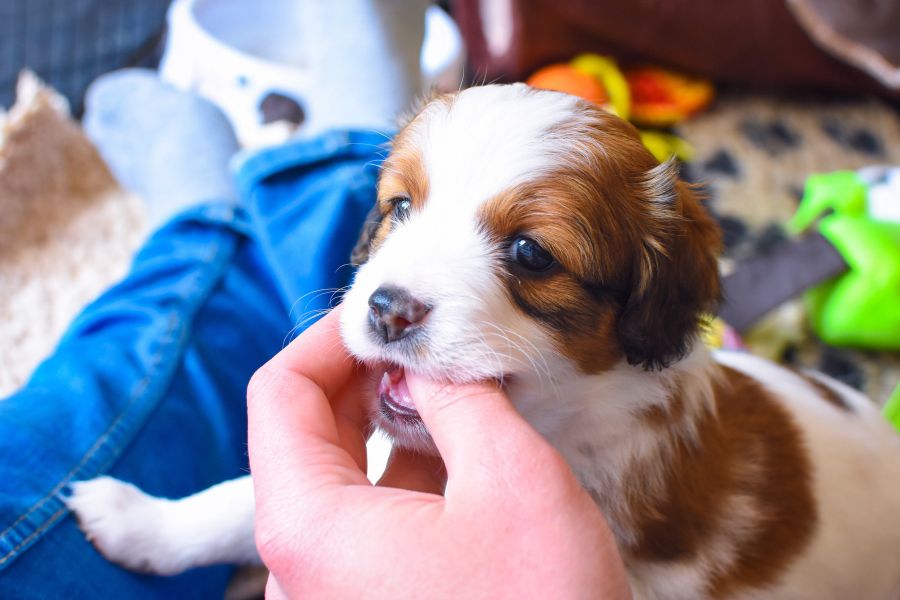
Puppy biting is a common behavior, but when it becomes aggressive, painful, or constant, it can worry pet owners. While most puppies bite during play and teething, excessive puppy biting may signal behavioral issues, discomfort, or underlying health problems.
In this guide, we explain why puppy biting happens, when it becomes a concern, and when you should see a veterinarian. You will also learn practical tips to manage puppy biting safely and effectively.
Why Do Puppies Bite So Much?
Puppy biting is a natural part of development. Puppies explore the world with their mouths, just like babies use their hands. However, not all biting is normal, and understanding the cause can help you respond correctly.
Common Reasons for Puppy Biting
1. Teething Pain
Puppies begin teething around 3 to 6 months of age. During this time, their gums feel sore, and chewing helps relieve discomfort. This often leads to increased puppy biting.
Signs of teething include:
- Chewing on furniture or shoes
- Increased drooling
- Red or swollen gums
- Loss of baby teeth
2. Play Behavior
Puppies naturally bite during play. This is how they interact with littermates and learn boundaries.
Normal play biting usually:
- Happens during excitement
- Stops when you walk away
- Does not break skin
3. Overstimulation
Some puppies become overly excited and lose control. This can cause sudden, intense puppy biting.
Common triggers include:
- Loud environments
- Too much playtime
- Lack of naps
- New people or pets
4. Lack of Socialization
Puppies that were separated early from their litter may not learn bite inhibition. This means they do not understand how hard it is.
5. Fear or Anxiety
If a puppy feels threatened or scared, biting may be a defensive response.
Signs of fear-based biting:
- Growling
- Ears pinned back
- Tail tucked
- Stiff body posture
When Puppy Biting Becomes a Problem
Not all puppy biting is harmless. Some behaviors suggest it is time to take action.
Warning Signs to Watch For
You should pay attention to whether your puppy:
- Bites hard enough to break skin
- Growls or snaps frequently
- Targets hands or faces aggressively
- Shows biting behavior that is getting worse
- Bites when touched or handled
These signs may indicate behavioral problems or discomfort that needs professional attention.
When to See a Vet for Puppy Biting
Many pet owners assume puppy biting is purely behavioral. However, medical issues can also cause sudden changes in behavior.
1. Sudden Increase in Aggression
If your puppy was gentle and suddenly starts biting aggressively, this may signal pain or illness.
Possible causes include:
- Dental pain
- Ear infections
- Injuries
- Digestive discomfort
A veterinarian can rule out these medical conditions.
2. Puppy Biting with Other Symptoms
If puppy biting occurs along with other signs, it is best to schedule a veterinary visit.
Watch for:
- Loss of appetite
- Lethargy
- Whining or crying
- Limping
- Fever
These symptoms suggest your puppy may be uncomfortable or sick.
3. Biting During Handling
If your puppy bites when you touch certain areas, it may indicate pain.
Common pain points include:
- Mouth
- Ears
- Paws
- Belly
A veterinary exam can help identify the cause.
4. Biting That Does Not Improve With Training
If your puppy’s biting continues despite training and redirection, professional guidance may be necessary. Veterinarians often work with behavior specialists to create a customized plan.
How to Stop Puppy Biting at Home
While some cases require veterinary care, many puppies benefit from consistent training and management.
1. Use Positive Redirection
When your puppy starts biting, redirect their attention to a toy.
Good options include:
- Rubber chew toys
- Teething rings
- Soft rope toys
This teaches your puppy what is appropriate to bite.
2. Teach Bite Inhibition
If your puppy bites too hard:
- Say “ouch” calmly
- Stop playing immediately
- Walk away for a few seconds
This mimics how littermates teach boundaries.
3. Avoid Rough Play
Games that involve hands encourage puppy biting. Avoid:
- Wrestling
- Hand chasing
- Rough tugging
Instead, use toys for interactive play.
4. Ensure Enough Rest
Overtired puppies often become mouthy and irritable. Puppies need:
- 18 to 20 hours of sleep daily
- Quiet nap times
- Calm environments
5. Provide Mental Stimulation
Bored puppies often develop biting habits.
Try:
- Puzzle toys
- Training sessions
- Short walks
- Interactive games
The Role of Training in Puppy Biting
Training plays an important role in controlling puppy biting. Early training helps puppies learn acceptable behavior.
Basic Training Tips
Start with:
- Basic commands like sit and stay
- Reward-based training
- Short, consistent sessions
Avoid punishment, as it can increase fear and aggression.
Are Certain Breeds More Likely to Bite?
All puppies bite, but some breeds may show more mouthy behavior due to instincts.
Examples include:
- Herding breeds
- Sporting breeds
- Working breeds
These puppies often benefit from extra exercise and structured activities.
How Long Does Puppy Biting Last?
Most puppy biting improves with age and training.
General timeline:
- 8 to 12 weeks: peak biting behavior
- 3 to 6 months: teething stage
- 6 months and older: improvement with training
If biting continues beyond this stage, professional guidance may be helpful.
Mistakes to Avoid When Managing Puppy Biting
Avoid these common mistakes:
Using Physical Punishment
This can increase fear and worsen aggression.
Allowing Inconsistent Rules
Everyone in the household should follow the same approach.
Encouraging Hand Play
This teaches your puppy that hands are toys.
Ignoring Warning Signs
Persistent puppy biting should not be overlooked.
When Puppy Biting Could Be a Behavioral Issue
Sometimes puppy biting is linked to deeper behavioral concerns.
Possible causes include:
- Anxiety
- Fear-based aggression
- Resource guarding
- Poor socialization
Early intervention helps prevent long-term problems.
How Veterinarians Help With Puppy Biting
Veterinarians evaluate both physical and behavioral factors.
They may:
- Perform a physical exam
- Check for dental problems
- Evaluate behavior patterns
- Recommend training strategies
- Refer to a behavior specialist if needed
This comprehensive approach helps address the root cause.
Puppy biting is normal, but excessive or aggressive behavior should not be ignored. Understanding the reasons behind puppy biting helps you respond appropriately and protect both your puppy and your family. Early training, proper socialization, and veterinary guidance can make a big difference in your puppy’s development.
If your puppy’s biting feels out of control or is getting worse, it may be time to seek professional advice. The experienced veterinary team at Olde Towne Animal Hospital in Southampton, NY, can help evaluate your puppy and create a personalized plan for better behavior. Call today to schedule an appointment and help your puppy grow into a happy, well-behaved companion.
FAQs
1. Is puppy biting normal behavior?
Ans: Yes, puppy biting is normal during teething and play. However, aggressive or painful biting may require training or veterinary evaluation.
2. At what age do puppies stop biting?
Ans: Most puppies stop biting between 6 to 8 months as they finish teething and learn bite inhibition.
3. Should I worry if my puppy bites hard?
Ans: Yes, hard biting that breaks skin or causes pain may indicate behavioral issues or discomfort and should be evaluated.
4. Can teething cause aggressive puppy biting?
Ans: Yes, teething can increase chewing and biting due to sore gums. Providing safe chew toys helps manage this stage.
5. When should I see a vet for puppy biting?
Ans: You should see a vet if the puppy’s biting becomes aggressive, sudden, frequent, or occurs with other symptoms like pain or illness.