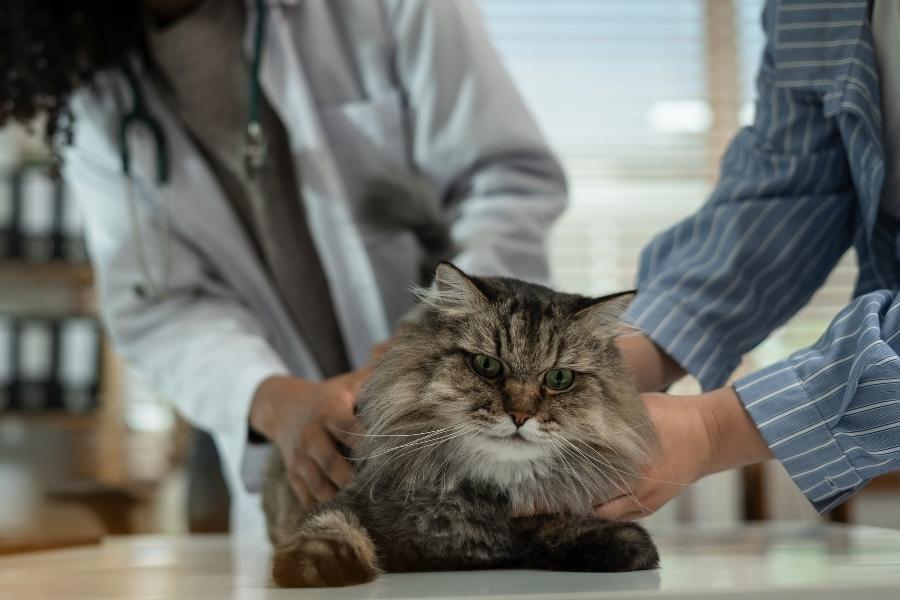



Your pet may seem perfectly healthy while a small change is developing beneath the surface. Pets cannot explain when something hurts, and many are good at hiding early signs of illness. That is why pet preventive care matters throughout every stage of life. Simple habits such as regular veterinary visits, healthy nutrition, dental care, exercise, weight monitoring, and daily observation can help protect your companion’s well-being. At Olde Towne Animal Hospital in Southampton, NY, preventive care is an important part of helping pets stay comfortable and active. The goal is not to wait until your pet becomes sick, but to recognize potential concerns early and build healthy habits that support a longer, happier life.
What Does Preventive Care Include for Pets?
Preventive care includes the routine steps used to maintain your pet’s health and identify potential problems early. It combines veterinary examinations with everyday care at home, allowing you and your veterinarian to monitor changes over time.
A preventive care plan may include:
- Routine physical examinations
- Nutrition and weight management
- Dental health monitoring
- Exercise and activity
- Parasite protection
- Appropriate diagnostic testing
- Behavior and lifestyle monitoring
- Home observation for changes in health
Not every pet needs the exact same plan. A puppy or kitten has different needs from a senior pet, while an active outdoor dog may have different risks from an indoor cat. Regular care also gives your veterinarian a chance to establish what is normal for your pet. That baseline can make subtle changes easier to recognize later.
How Can Routine Veterinary Exams Protect Your Pet?
A routine veterinary exam is more than a visit when your pet is sick. It gives your veterinarian an opportunity to look for early changes that may not be obvious at home.
During an examination, your veterinarian may evaluate your pet’s:
- Weight and body condition
- Heart and breathing
- Eyes and ears
- Skin and coat
- Mouth and teeth
- Abdomen
- Joints and movement
- Overall behavior and condition
These visits are also a good time to discuss changes you have noticed. Tell your veterinarian if your pet has been drinking more water, sleeping differently, losing weight, eating less, scratching more, or behaving unusually.
Early evaluation does not guarantee that every illness will be prevented. However, regular monitoring can help identify concerns sooner and give you a clearer picture of your pet’s health.
Why Is Nutrition Important for Preventive Pet Care?
The food your pet eats provides the nutrients needed for growth, energy, muscles, organs, and normal body function. Nutritional needs change with age, activity level, body size, and health conditions.
Choose a complete and appropriate diet for your pet’s life stage, and ask your veterinarian about portion sizes. Measuring meals can help prevent accidental overfeeding.
Keep treats moderate, too. Small extras can add up, particularly for smaller pets.
Watch for changes such as:
- Sudden weight gain or weight loss
- Reduced appetite
- Increased hunger
- Trouble chewing
- Repeated digestive upset
- Changes in stool
If your pet’s appetite changes suddenly or continues to decline, do not assume the problem is simply picky eating. A veterinary examination can help determine whether an underlying health issue is involved.
How Does Dental Care Help Keep Pets Healthy?
Dental health is an important part of your pet’s overall care. Plaque and tartar can build up on the teeth and contribute to gum problems, mouth pain, and other dental concerns.
Some signs that your pet may have a dental problem include:
- Persistent bad breath
- Red or swollen gums
- Drooling
- Difficulty chewing
- Dropping food
- Pawing at the mouth
- Reluctance to eat
- Loose or damaged teeth
Cats and dogs can hide mouth pain, so changes in eating habits may be one of the first clues you notice.
Your veterinarian can check your pet’s mouth during routine examinations and recommend appropriate dental care. Home dental habits may also help maintain oral health between veterinary visits.
Can Exercise Improve Your Pet’s Health?
Regular, appropriate activity helps pets maintain healthy muscles, joints, body weight, and energy levels. Exercise can also provide mental stimulation and help reduce boredom.
The right amount of activity depends on your pet. A young, energetic dog may enjoy longer walks and active games, while a senior pet may benefit from shorter walks and gentle movement.
Try activities that fit your pet’s abilities, such as:
- Daily walks
- Interactive play
- Food puzzles
- Short training sessions
- Supervised exploration
- Gentle games for older pets
Pay attention to changes in stamina. If your pet suddenly stops wanting to walk, play, climb stairs, or jump onto furniture, pain or another health problem could be involved.
Why Is Maintaining a Healthy Weight So Important?
Extra weight can place additional stress on your pet’s joints and may affect overall health. Because weight gain can happen gradually, owners may not notice the change right away. Check your pet’s body shape regularly and discuss weight at veterinary visits. Your veterinarian can assess body condition and determine whether your pet is at a healthy weight. If your pet needs to lose weight, avoid making major changes without guidance. A safe plan may involve measured portions, appropriate food choices, treats in moderation, and increased activity when suitable. Weight management is especially useful as pets age because their activity level and calorie needs may change.
What Changes Should You Watch for at Home?
You are your pet’s closest observer, which makes you an important part of their preventive care. Knowing your pet’s normal habits makes unusual changes easier to identify.
Pay attention to:
- Appetite and water intake
- Urination and bowel movements
- Energy and activity
- Weight
- Grooming
- Sleep
- Breathing
- Behavior
- Mobility
For example, a cat that suddenly stops jumping onto a favorite chair may appear to be simply getting older. However, reduced jumping can sometimes be linked to pain or mobility problems.
A dog that begins drinking much more water or asking to go outside repeatedly may also need an examination. Keep notes about when a change began and whether it is getting better or worse. Those details can help your veterinarian evaluate the problem.
How Can You Make Your Home Safer for Your Pet?
Preventive care also means reducing avoidable hazards. Curious pets may chew, lick, or swallow objects that can cause injury or illness.
Keep medications, cleaning products, chemicals, small objects, and unsafe foods out of reach. Secure trash and supervise your pet around toys or household items that could be swallowed.
Puppies and kittens need especially close supervision because they explore with their mouths. Older pets may also benefit from environmental changes if they develop reduced vision, hearing, balance, or mobility.
A safer home can reduce the risk of preventable injuries and unexpected veterinary visits.
When Should Preventive Care Become an Urgent Veterinary Visit?
Preventive care helps you stay ahead of health problems, but some symptoms should not wait for a routine appointment. Sudden or severe changes can require prompt veterinary attention.
Contact a veterinarian promptly if your pet develops:
- Difficulty breathing
- Repeated vomiting
- Severe or persistent diarrhea
- Collapse or extreme weakness
- Severe pain
- Significant bleeding
- A swollen or painful abdomen
- Difficulty urinating
- Sudden trouble walking
- Suspected poisoning
- A swallowed object
A pet that seems mildly unwell may sometimes improve with monitoring, but worsening symptoms should not be ignored. When you are unsure, contacting your veterinarian can help you determine the safest next step.
How Can You Build a Simple Preventive Care Routine?
Good pet preventive care does not have to be complicated. The most useful habits are the ones you can maintain consistently.
Start with these simple steps:
- Schedule regular veterinary examinations.
- Feed appropriate portions.
- Monitor your pet’s weight.
- Pay attention to dental health.
- Provide suitable daily activity.
- Watch appetite, thirst, and bathroom habits.
- Keep dangerous household items away.
- Record unusual changes in behavior or health.
Your pet’s needs will change over time, so revisit the routine as your companion grows older or develops new health concerns.
Conclusion
Protecting your pet’s health starts with everyday choices and regular veterinary attention. Routine examinations, balanced nutrition, dental care, healthy activity, weight management, and careful observation can help you notice changes before they become harder to manage. Preventive care is not about expecting your pet to never become sick. It is about giving your veterinarian the opportunity to monitor health over time and giving you the knowledge to respond when something changes. If you have questions about your pet’s health or want to build an appropriate care plan, Olde Towne Animal Hospital in Southampton, NY can help. Consistent preventive care today can support your pet’s comfort, activity, and quality of life for years to come.
FAQs
Q1: What is the most important part of preventive care for pets?
A: Regular veterinary examinations are an important foundation because they allow your veterinarian to monitor your pet over time. Nutrition, dental care, exercise, weight management, parasite protection, and home observation also contribute to overall preventive care.
Q2: How often should my pet have a preventive veterinary exam?
A: The ideal schedule depends on your pet’s age, health, lifestyle, and individual needs. Your veterinarian can recommend an appropriate examination schedule based on those factors.
Q3: How can I tell if my pet is at a healthy weight?
A: Your veterinarian can assess your pet’s body condition and determine whether their weight is appropriate. At home, watch for gradual changes in body shape and weigh your pet regularly when possible.
Q4: Can preventive care help detect health problems early?
A: Yes. Routine examinations and appropriate testing can identify changes that may not yet be obvious to you. Early attention can help your veterinarian investigate a concern before it becomes more advanced.
Q5: When should I seek veterinary care instead of waiting for a routine visit?
A: Seek prompt care for difficulty breathing, repeated vomiting, severe diarrhea, collapse, significant bleeding, severe pain, difficulty urinating, suspected poisoning, or a swallowed object. Sudden or rapidly worsening changes also deserve veterinary attention.