


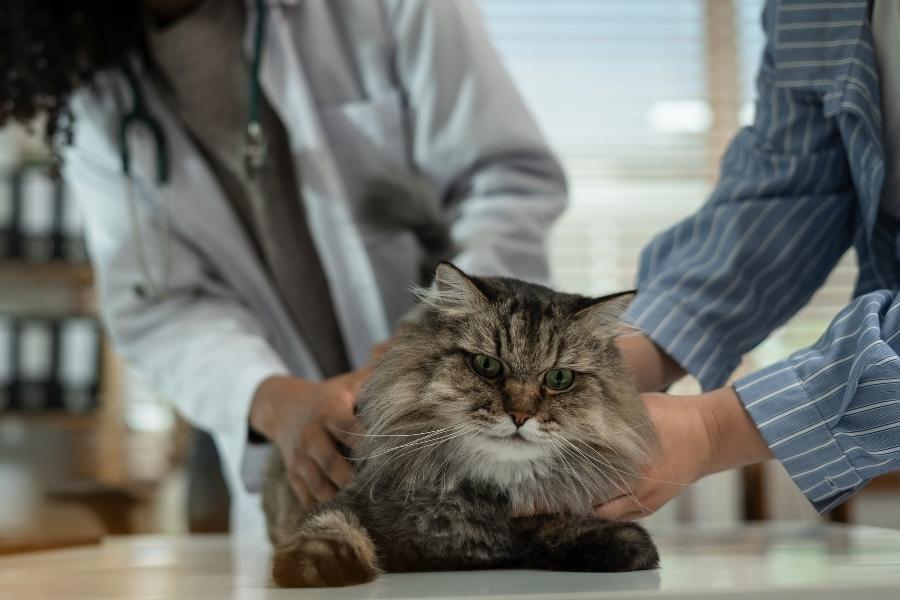
When it comes to keeping pets safe and healthy, most people think of vaccines, nutritious food, and regular vet visits. But there’s one preventive tool that often gets overlooked—microchipping. You’ve probably heard of it, maybe even considered it, but questions linger: Is it safe? Is it really effective? Is it worth it?
Let’s break it down in a way that’s simple, informative, and engaging. Because microchipping isn’t just about finding a lost pet—it’s a proactive step that ties into broader preventative pet care.
What Is Microchipping, Exactly?
A microchip is a tiny device, about the size of a grain of rice, that gets implanted just under your pet’s skin—usually between the shoulder blades. It’s not a GPS tracker (a common misconception), but it carries a unique ID number. When a shelter or veterinary clinic scans the chip, the number pops up. That number is linked to your contact info in a secure database.
No batteries. No maintenance. Once it’s in, it stays there.
Microchipping is a one-time procedure that can last a lifetime. It’s quick, usually done in seconds, and most pets don’t even flinch. Think of it like a vaccine injection—over before your pet even realizes it happened.
Why Microchipping Matters in Preventive Health
You might be wondering, how does something that helps return lost pets tie into preventative health care? Here’s where it gets interesting.
1. It Reduces Stress-Related Health Issues
Pets that go missing often face dangerous situations—traffic, hunger, dehydration, and the mental stress of being away from home. According to the American Veterinary Medical Association (AVMA), microchipped dogs are more than twice as likely to be returned home. For cats, that number jumps to over twenty times more likely.
Being reunited quickly prevents trauma, which plays a significant role in overall pet wellness. Chronic stress can weaken a pet’s immune system, making them more susceptible to illnesses.
2. It Helps Avoid Unnecessary Medical Procedures
If a lost pet is found without identification, they might be assumed to be stray or abandoned. That can lead to duplicate vaccinations or unnecessary surgeries like spaying or neutering—all of which could’ve been avoided if the pet had an up-to-date microchip.
Some pets have medical conditions that require specific care. If they end up in a shelter or vet clinic without identification, crucial health information could be missed. Microchips often contain notes about the pet’s health history when linked to detailed profiles, making it a smart move for preventative pet health care.
3. It Complements Regular Preventative Care
Microchipping isn’t a replacement for things like heartworm prevention, flea and tick treatments, or routine exams—but it complements them. While those tools protect against diseases and parasites, microchipping protects your pet from the health risks of getting lost.
It’s a layer of protection that helps ensure your pet stays on schedule with their care. Because without your pet, there’s no one to receive the care you’ve planned.
What Experts and Studies Say
Research backs up the value of microchipping. A widely cited study published in the Journal of the American Veterinary Medical Association showed that over 70% of microchipped pets were reunited with their families, compared to less than 25% of those without microchips.
Veterinarians across the board recommend microchipping as part of a standard pet wellness plan. The American Animal Hospital Association (AAHA) even offers a universal pet microchip lookup tool to help connect found pets with their owners more efficiently.
Dr. Lisa M. Freeman, a professor at the Cummings School of Veterinary Medicine, says, “Microchipping is one of the simplest, yet most effective steps a pet parent can take to protect their companion.”
Myths About Microchipping—Cleared Up
Let’s tackle some common concerns:
- “It’s painful.”
The process is quick and minimally invasive. Most pets tolerate it well—some don’t even react. - “It tracks my pet’s location.”
Microchips are not GPS devices. They can’t tell you where your pet is in real time. But they can help reunite you when your pet is found. - “It only works if I go to a specific vet.”
Universal scanners are now widely used, especially in shelters and vet clinics. That means your pet’s microchip can be read almost anywhere. - “It’s too expensive.”
Most microchipping services cost less than $50. Considering it’s a one-time procedure that can prevent endless worry, it’s an investment worth making.
Keeping the Microchip Info Updated Is Key
Getting your pet microchipped is just step one. The next step is registering your contact details with the microchip manufacturer. If you move or change your phone number, don’t forget to update the database.
A chip with outdated info is like a phone with no service—it won’t connect to the people trying to help.
Microchipping and Pet Identification: A Winning Combo
While microchips are incredibly helpful, a physical ID tag on your pet’s collar adds another layer of safety. It’s the quickest way someone can help your pet if found.
Think of it this way: The ID tag helps in the short term, while the microchip works long term. Both tools, used together, create a solid plan for preventative pet safety.
It’s Not Just for Dogs—Cats Need It Too
Outdoor cats especially, but even indoor cats can slip out unnoticed. In fact, according to statistics, cats are less likely to wear collars, making microchipping even more essential.
Don’t assume your cat doesn’t need one just because they stay inside. Emergencies like fires, loud noises, or unexpected guests can cause even the calmest cat to bolt.
Supporting a Lifetime of Health and Safety
At the heart of it, microchipping is about peace of mind. Knowing that, no matter what happens, your pet has a permanent form of ID gives you—and them—a better chance at staying connected.
It’s one of the most reliable ways to protect your pet from the unpredictable. And when it comes to preventative pet health, planning ahead is always better than reacting after something happens.
Want to Learn More?
Curious about how else you can keep your pet protected year-round? From routine dental care to seasonal parasite control, there’s always more to explore in the world of preventive pet wellness. Dive deeper into topics like:
- Seasonal pet safety tips
- Vaccination schedules and why they matter
- How diet and exercise impact long-term pet health
- Understanding early signs of illness in pets
Microchipping is just one piece of a bigger picture—but it’s a powerful one. Talk to your veterinarian today and make it a core part of your pet’s preventive care plan.