


Bad breath may seem harmless, but often first clue something wrong inside your pet’s mouth. Early warning signs of dental disease in dogs and cats can develop slowly, making them easy to miss until eating becomes painful or infection becomes severe. Dental disease affects much more than teeth. Left untreated, it can damage gums, loosen teeth, and affect overall health. At Olde Towne Animal Hospital early dental examinations help identify problems before they become serious. This guide explains common warning signs, causes, treatment options, and how early care helps keep your pet comfortable.
What Are Early Warning Signs of Dental Disease in Dogs and Cats
Early warning signs of dental disease in dogs and cats include bad breath, yellow or brown tartar, red or swollen gums, difficulty chewing, drooling, loose teeth, and changes in eating habits. Early pet dental treatment often prevents painful infection and tooth loss.
Many pets continue eating despite significant mouth pain because animals naturally hide discomfort. Owners often mistake subtle signs for normal aging.
Watch for changes such as:
- Bad breath
- Yellow or brown buildup on teeth
- Red or bleeding gums
- Dropping food
- Pawing at mouth
- Excessive drooling
- Chewing on one side
- Reluctance to chew toys
Recognizing these early signs allows treatment before disease progresses into deeper tissues.
What Causes Dental Disease in Dogs and Cats
Dental disease begins with plaque, a soft layer of bacteria that forms after eating. If plaque is not removed, it hardens into tartar. Bacteria then spread beneath the gumline, causing inflammation and infection.
Several factors increase risk:
- Age
- Small breed dogs
- Poor home dental care
- Crowded teeth
- Previous dental disease
- Certain medical conditions
Over time, infection damages gums, bone, and supporting tissues around teeth. This is because much disease develops below the gumline; problems often appear more advanced than owners realize during home checks.
Signs and Symptoms To Watch For
Dental disease affects more than the mouth. Pain often changes normal behavior.
Watch for:
- Bad breath
- Bleeding gums
- Loose teeth
- Facial swelling
- Weight loss
- Reduced appetite
- Crying while chewing
- Refusing hard food
- Mouth sensitivity
- Less interest in toys
Cats often hide dental pain especially well. Reduced grooming or quieter behavior may become the only noticeable clues. Routine oral examinations remain the best way to detect hidden disease early.
How Vets Diagnose and Treat Dental Disease
A veterinarian begins with a complete physical examination and oral assessment. While awake, examination identifies visible problems; much disease remains hidden beneath gums.
Professional dental care may include:
- Oral examination
- Careful monitoring during procedure
- Plaque and tartar removal
- Cleaning below gumline
- Tooth polishing
- Evaluation for damaged teeth
Hypothetical Case Example
An eight-year-old small breed dog came for routine examination because the owner noticed worsening bad breath. Dental evaluation found advanced tartar and early gum disease despite the pet still eating normally. After professional dental cleaning and treatment, breath improved, gums healed, and the owner noticed much greater comfort during meals.
What Pet Owners Can Do at Home
Home dental care helps reduce plaque and slows progression of dental disease. Daily habits make a long-term difference.
Helpful steps include:
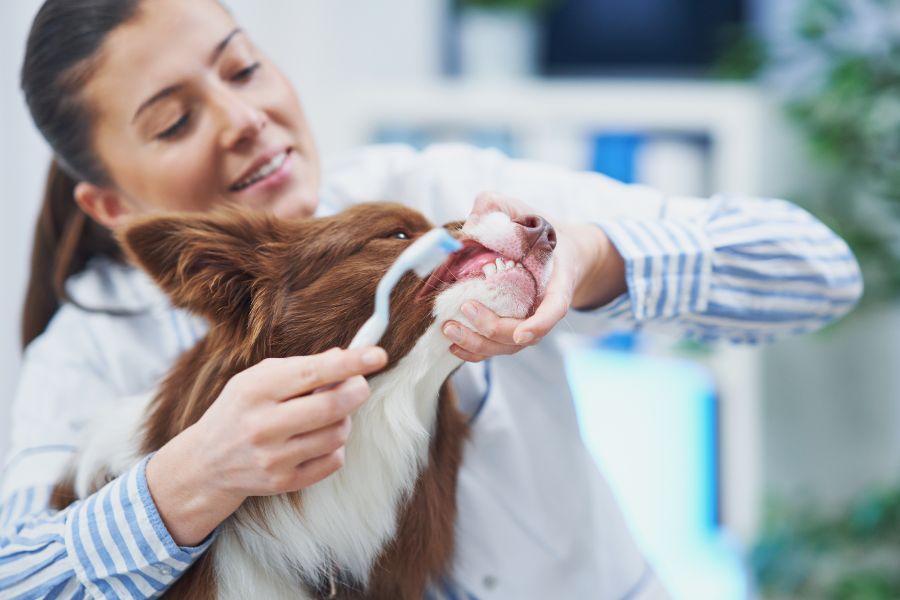
- Brush teeth with pet-safe toothpaste
- Check mouth regularly
- Watch for bad breath
- Offer veterinarian-recommended dental chews
- Schedule routine dental examinations
- Monitor changes in eating or chewing
Never use human toothpaste because ingredients may not be safe for pets.
Home care cannot remove hardened tartar below the gumline. Professional dental care remains necessary for complete treatment.
When To See a Veterinarian
Do not wait until your pet stops eating. Early treatment often prevents painful tooth loss and advanced gum disease.
Schedule a veterinary visit if you notice:
- Persistent bad breath
- Red or bleeding gums
- Yellow or brown tartar
- Loose teeth
- Drooling
- Difficulty chewing
- Facial swelling
- Mouth pain
- Reduced appetite
Regular examinations help identify dental disease before permanent damage develops.
Early care usually means simpler treatment and greater comfort for your pet.
Conclusion
Recognizing early warning signs of dental disease in dogs and cats can make a significant difference in your pet’s comfort and long-term health. Bad breath, swollen gums, tartar buildup, and changes while eating should never be ignored. Regular home dental care combined with professional examinations helps prevent painful oral disease before it becomes severe. At Olde Towne Animal Hospital in Southampton, NY, the team provides comprehensive dental evaluations and treatment to keep dogs and cats healthy through every stage of life. If you notice early signs of dental disease, schedule a dental examination before the condition worsens.
FAQs
Q1: What are the first signs of dental disease in dogs and cats?
A: Early signs include bad breath, yellow or brown tartar, red gums, drooling, chewing changes, and reluctance to eat hard food.
Q2: Is bad breath normal for pets?
A: No. Persistent bad breath commonly signals dental disease or infection and should be evaluated by a veterinarian.
Q3: Can dental disease make my pet stop eating?
A: Yes. Painful teeth and inflamed gums can make chewing uncomfortable, causing reduced appetite or refusal to eat.
Q4: How is dental disease treated in dogs and cats?
A: Treatment usually includes professional dental cleaning, complete oral examination, and additional care if damaged or infected teeth are found.
Q5: How can I help prevent dental disease at home?
A: Brush your pet’s teeth regularly with pet-safe toothpaste, monitor oral health, and schedule routine veterinary dental examinations to detect problems early.