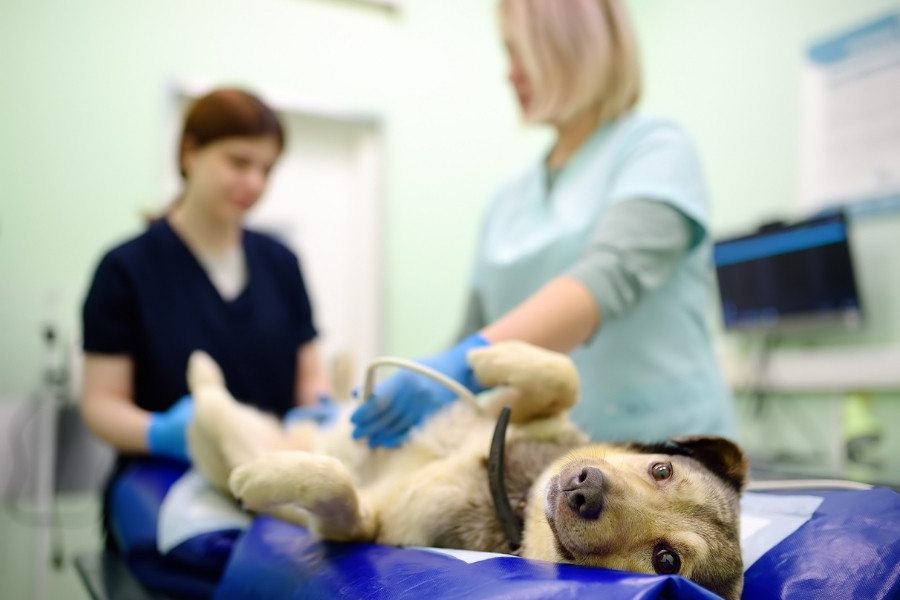



Many pet owners are exploring complementary therapies to support their pets’ health alongside traditional veterinary care. From acupuncture and laser therapy to rehabilitation exercises and nutritional support, these approaches are gaining popularity for managing pain, improving mobility, and enhancing quality of life. This article explains what the science says about complementary therapies in veterinary medicine, which treatments have the strongest evidence, and how to make informed decisions for your pet.
What Are Complementary Therapies in Veterinary Medicine?
Complementary therapies in veterinary medicine are treatments used alongside conventional medical care rather than as replacements. Their goal is to improve comfort, recovery, and overall well-being while supporting evidence-based veterinary treatment plans.
Common complementary therapies include:
- Acupuncture
- Physical rehabilitation
- Therapeutic laser therapy
- Massage therapy
- Hydrotherapy
- Chiropractic techniques
- Nutritional therapy
- Herbal supplements
- Therapeutic ultrasound
The key distinction is that these therapies complement traditional medicine instead of replacing necessary diagnostics, medications, or surgery when indicated.
Why Are Pet Owners Interested in Complementary Therapies
Modern veterinary medicine has made tremendous advances, but chronic conditions such as arthritis, mobility issues, and long-term pain often require multimodal management.
Pet owners may seek complementary therapies because they can:
- Improve mobility in senior pets
- Reduce discomfort from arthritis
- Support post-surgical recovery
- Help manage chronic pain
- Encourage muscle strengthening
- Enhance quality of life
Many veterinarians now combine multiple treatment methods to create individualized care plans for dogs and cats.
What Does the Science Say
Scientific evidence varies depending on the therapy. Some treatments have substantial research supporting their use for specific conditions, while others require more studies before firm conclusions can be made.
The strongest evidence generally exists for:
- Veterinary rehabilitation
- Therapeutic exercise
- Laser therapy for selected conditions
- Acupuncture for pain management in certain cases
Meanwhile, many herbal remedies and alternative supplements have limited scientific evidence or inconsistent research findings.
The best approach is to evaluate each therapy individually rather than assuming all complementary treatments are equally effective.
Acupuncture: One of the Most Studied Options
How It Works
Veterinary acupuncture involves placing very thin needles into specific points on the body to stimulate nerves, muscles, and connective tissues.
Researchers believe acupuncture may help by:
- Triggering natural pain-relieving chemicals
- Improving blood circulation
- Reducing inflammation
- Supporting nerve function
Conditions That May Benefit
Evidence suggests acupuncture may help pets with:
- Osteoarthritis
- Chronic pain
- Neurological disorders
- Recovery after orthopedic procedures
While acupuncture is not a cure, many pets experience improved comfort when it is incorporated into a comprehensive treatment plan.
Physical Rehabilitation Has Strong Scientific Support
Physical rehabilitation is comparable to physical therapy for people. It focuses on restoring strength, flexibility, balance, and function.
Treatment may include:
- Controlled exercise programs
- Balance training
- Range-of-motion exercises
- Strength-building activities
- Gait analysis
Benefits
Studies indicate rehabilitation can:
- Speed recovery after surgery
- Improve mobility
- Reduce muscle loss
- Enhance joint function
- Increase independence in senior pets
For many orthopedic and neurological conditions, rehabilitation has become an important part of veterinary medicine.
Laser Therapy: A Growing Area of Research
Therapeutic laser therapy uses specific wavelengths of light to stimulate cellular activity.
Potential benefits include:
- Reduced inflammation
- Improved circulation
- Faster tissue healing
- Temporary pain relief
Many veterinary clinics use laser therapy for:
- Arthritis
- Soft tissue injuries
- Surgical recovery
- Wound healing
Although research continues, numerous studies support its use as part of a multimodal treatment strategy rather than a standalone solution.
Hydrotherapy for Joint and Mobility Problems
Hydrotherapy uses water-based exercise, often with underwater treadmills or controlled swimming.
The buoyancy of water helps:
- Reduce stress on joints
- Improve muscle strength
- Increase endurance
- Enhance coordination
Hydrotherapy is commonly recommended for:
- Hip dysplasia
- Cruciate ligament recovery
- Arthritis
- Obesity management
- Neurological rehabilitation
Because movement is easier in water, many pets can exercise with less discomfort than on land.
Massage Therapy and Manual Techniques
Massage therapy aims to improve circulation and reduce muscle tension.
Potential benefits include:
- Muscle relaxation
- Reduced stiffness
- Improved flexibility
- Stress reduction
- Better circulation
While scientific evidence is moderate compared to rehabilitation or acupuncture, many pets appear to enjoy massage as part of supportive care. However, massage should be performed by trained professionals who understand animal anatomy and medical conditions.
Nutritional Therapy and Supplements
Nutrition plays a major role in overall health and recovery.
Veterinarians may recommend diets or supplements containing:
- Omega-3 fatty acids
- Joint-support ingredients
- Antioxidants
- High-quality protein
- Weight management formulas
Maintaining a healthy body weight is one of the most effective ways to reduce stress on joints and improve mobility.
Be Careful With Supplements
Not all supplements marketed for pets have strong scientific evidence. Some may:
- Interact with medications
- Contains inconsistent ingredients
- Lack of quality control
- Produce unwanted side effects
Always discuss supplements with your veterinarian before starting them.
Herbal Medicine: What We Know
Herbal products are widely available, but research in veterinary medicine remains limited.
Challenges include:
- Variability between products
- Limited dosing studies
- Potential toxicity
- Drug interactions
Natural does not automatically mean safe. Some herbs that are harmless to humans can be dangerous for dogs and cats. For this reason, veterinarians typically recommend caution and evidence-based decision-making.
Chiropractic Care for Pets
Veterinary chiropractic focuses on spinal and joint manipulation. Some owners report improvements in mobility and comfort, particularly in athletic dogs. However, scientific evidence remains limited, and chiropractic treatment should only be performed by properly trained veterinary professionals. It should never replace diagnostic imaging or treatment for serious neurological or orthopedic conditions.
The Importance of Evidence-Based Medicine
The phrase “evidence-based” means decisions are guided by:
- Scientific research
- Clinical experience
- Individual patient needs
The strongest veterinary care often combines:
- Accurate diagnosis
- Conventional medical treatment
- Carefully selected complementary therapies
- Ongoing monitoring
This integrated approach helps maximize benefits while minimizing risks.
Questions to Ask Before Choosing a Complementary Therapy
Before starting any treatment, ask your veterinarian:
- Is there scientific evidence supporting this therapy?
- What condition is it intended to treat?
- Are there potential risks?
- How will success be measured?
- Will it work alongside my pet’s current medications?
- Who is qualified to perform the treatment?
- What results should I realistically expect?
Clear communication helps ensure your pet receives safe and appropriate care.
Signs Your Pet May Benefit from Complementary Therapies
Talk with your veterinarian if your pet experiences:
- Difficulty standing
- Slower movement
- Chronic joint pain
- Recovery after surgery
- Muscle weakness
- Reduced activity
- Age-related stiffness
- Neurological conditions affecting mobility
Early intervention often leads to better long-term outcomes.
Conclusion
Complementary therapies in veterinary medicine can play an important role in improving comfort, mobility, and quality of life when used alongside conventional veterinary care. Scientific evidence is strongest for rehabilitation, acupuncture, and certain laser therapies, while other treatments require additional research. The safest approach is an individualized, evidence-based plan developed with your Southampton veterinarian. If you’re interested in complementary care for your pet, schedule an appointment with Olde Towne Animal Hospital in Southampton, NY, to discuss the most appropriate options for your companion.
FAQs
Q1: What are complementary therapies in veterinary medicine?
They are treatments used alongside conventional veterinary care, such as acupuncture, rehabilitation, laser therapy, and nutritional support, to improve a pet’s health and comfort.
Q2: Is acupuncture safe for dogs and cats?
When performed by a properly trained veterinary professional, acupuncture is generally considered safe and may help manage pain and mobility issues in selected patients.
Q3: Does laser therapy really work for pets?
Research suggests therapeutic laser therapy can help reduce pain and inflammation and support healing for certain conditions when included in a comprehensive treatment plan.
Q4: Can complementary therapies replace regular veterinary treatment?
No. Complementary therapies are designed to support conventional medicine, not replace necessary diagnostics, medications, or surgical care.
Q5: How do I know if a complementary therapy is right for my pet?
Consult your veterinarian for an evidence-based evaluation of your pet’s condition, treatment goals, and whether a specific complementary therapy is appropriate and safe.