


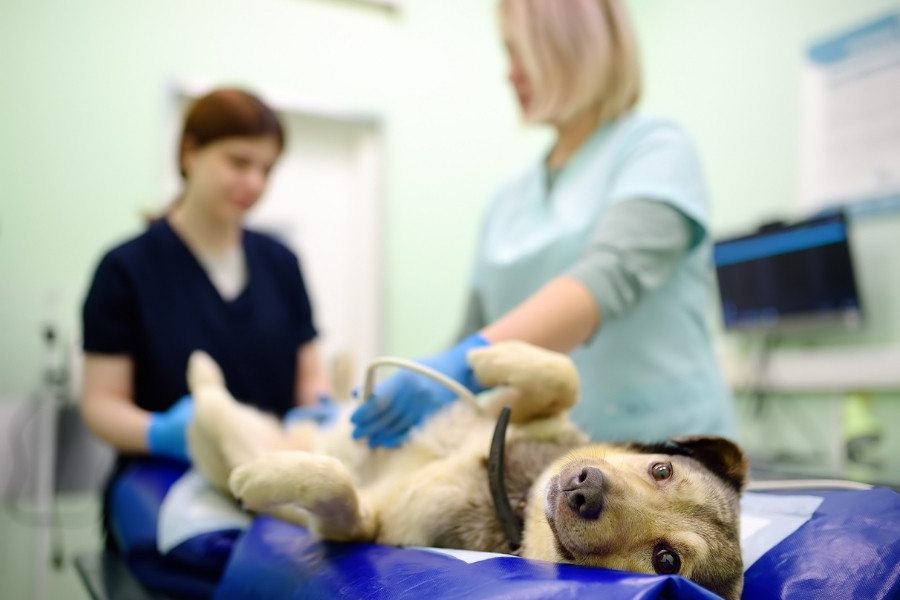
As loving pet owners, we want our furry companions to live their healthiest and happiest lives. Yet, many chronic illnesses in pets—like kidney disease, diabetes, and heart conditions—can lurk beneath the surface, showing no obvious symptoms until advanced stages. Thanks to modern veterinary diagnostic care in Southampton, veterinarians can now reveal these hidden ailments early, paving the way for timely and effective treatment.
The Early Warning System: Catching Disease Before Symptoms Strike
Chronic diseases rarely announce themselves. Dogs and cats are experts at hiding discomfort, so early detection is crucial for improving outcomes. With routine veterinary diagnostic screenings—bloodwork, urinalysis, and more—veterinarians can spot subtle changes that signal trouble, even when your pet appears perfectly healthy.
Transitioning from reactive to proactive care lets you address problems at their roots, often preventing more severe complications down the line.
Bloodwork: Unveiling the Inner Workings
Blood tests form the cornerstone of veterinary diagnostics.
A Complete Blood Count (CBC) evaluates red and white blood cells and platelets, detecting infections, anemia, inflammation, and certain cancers. Chemistry panels assess the health of vital organs, revealing issues like:
- Kidney disease (elevated BUN, creatinine, SDMA)
- Diabetes mellitus (abnormal glucose levels)
- Liver conditions (altered liver enzyme values)
- Hormonal imbalances (thyroid testing for cats and dogs)
With regular monitoring, your veterinarian creates a health baseline for your pet—making it easier to spot significant changes over time.
More Than a Sample: Urinalysis and Fecal Testing
A simple urine or fecal sample holds a wealth of information.
Urinalysis screens for kidney and urinary tract health, diabetes, and signs of metabolic illness. Fecal tests look for parasites and hidden blood, adding another layer of screening for chronic intestinal and systemic issues.
Diagnostic Imaging: Seeing What Hands Can’t Feel
Sometimes, internal changes are invisible to the naked eye or touch.
X-rays (radiographs), ultrasound, and advanced imaging help veterinarians detect:
- Heart enlargement
- Tumors or abnormal masses
- Internal organ changes, such as those caused by chronic liver or kidney disease
- Early signs of osteoarthritis
These tests provide crucial insights that physical exams alone cannot uncover.
The Role of Preventive Screening in Chronic Disease Management
Routine wellness exams that include diagnostics are not just extra—they are essential.
Annual or semiannual screening creates a powerful timeline of your pet’s health, catching conditions like chronic kidney disease (CKD) at their earliest stage—when treatments are most effective and lives are longest. This proactive strategy boosts quality and length of life while reducing emergency costs in the future.
Customized Diagnostics for Every Pet
Every pet is unique. Breed, age, lifestyle, and existing health problems influence which diagnostic tests are best. Senior pets, for example, benefit from more frequent and broad screening. For each visit, your veterinarian will recommend the right mix of tests to suit your pet’s needs, ensuring you never miss a silent threat.
Pet Parents as Partners: Why Your Vigilance Matters
Regular veterinary visits combined with attentive care at home are the gold standard. Note changes in your pet—weight loss, behavior shifts, appetite changes—and share them at each appointment. These small signals help your vet interpret diagnostic results even more accurately, leading to better health outcomes.
FAQs: Diagnostic Pet Care
1. How often should I schedule diagnostic testing for my pet?
Most pets benefit from annual diagnostics, but older pets or those with chronic conditions may need them more frequently. Your veterinarian in Southampton will advise based on your pet’s history.
2. Which chronic diseases are most commonly detected through diagnostic tests?
Kidney disease, diabetes, thyroid disorders, liver disease, and some cancers are frequently caught early through blood, urine, and imaging tests.
3. Are diagnostic procedures painful or risky for pets?
Most diagnostics—blood draws, urine collection, imaging—are quick, minimally invasive, and performed by trained professionals to ensure your pet’s comfort.
4. Will insurance cover veterinary diagnostic care?
Many pet insurance plans reimburse for diagnostic tests that are medically necessary. Confirm coverage with your provider before scheduling screening.
5. Can I detect chronic illness in my pet before seeing a vet?
Early stages of chronic illness often show no clear external signs. Regular diagnostic pet care in Southampton remains the safest way to detect issues long before they’re physically noticeable.
6. How can I prepare my pet for a diagnostic appointment?
Ask your vet if fasting, water restriction, or special preparations are needed for blood or urine tests. Bring notes on your pet’s behavior and history to every visit.