


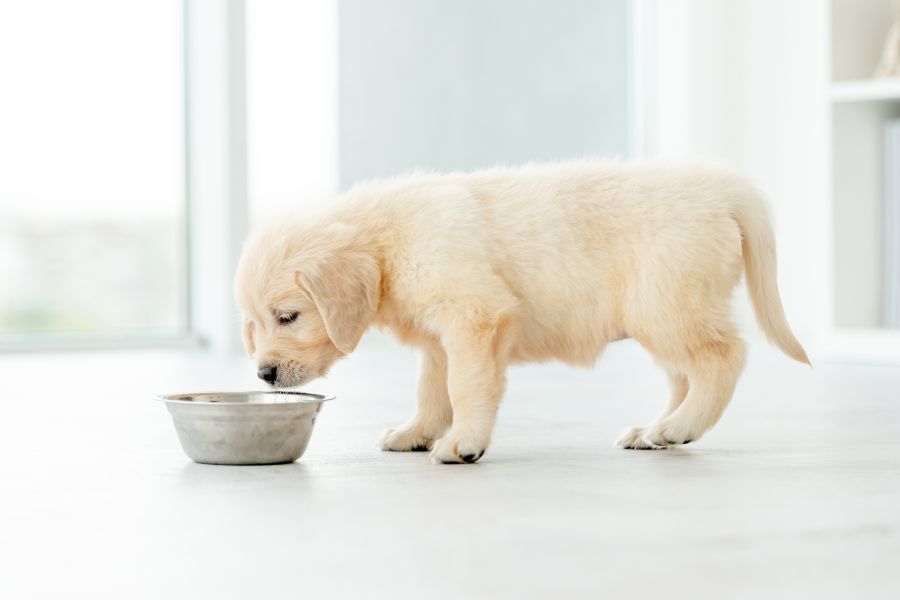
If you recently welcomed a young puppy into your home, one of the first questions you may ask is what can puppies eat at 8 weeks. At this stage, puppies are transitioning from their mother’s milk to solid food, which makes proper nutrition extremely important for healthy growth and development.
In this guide, we will explain what puppies can eat safely at 8 weeks, including the best foods, portion tips, and ingredients to avoid. Understanding the right diet will help your puppy build strong bones, develop a healthy immune system, and grow into a happy, energetic adult dog.
Why Proper Nutrition Matters for 8-Week-Old Puppies
At eight weeks old, puppies experience rapid growth. Their bones, muscles, brain, and immune system are all developing quickly. This means they require high-quality, nutrient-dense food designed specifically for puppies.
A balanced puppy diet should provide:
- High-quality protein for muscle growth
- Healthy fats for brain and energy support
- Calcium and phosphorus for bone development
- Essential vitamins and minerals for immune health
- Digestible carbohydrates for steady energy
Feeding the right foods during this early stage can support long-term health and reduce the risk of nutritional deficiencies.
What Can Puppies Eat at 8 Weeks?
When pet owners ask what puppies can eat, the safest option is always high-quality puppy food. These formulas are designed to meet the nutritional needs of growing dogs.
Here are the best options for an 8-week-old puppy.
1. High-Quality Commercial Puppy Food
Most veterinarians recommend starting with commercial puppy food that is labeled for growth or all life stages.
These foods contain the correct balance of nutrients puppies need.
Types of puppy food include:
- Dry puppy kibble
- Wet puppy food
- Softened kibble mixed with warm water
Softening kibble with water can make it easier for young puppies to chew and digest.
2. Softened Dry Puppy Kibble
Dry puppy kibble is one of the most common foods for young dogs.
To make it easier for an 8-week-old puppy to eat:
- Add warm water to the kibble.
- Let it soak for 10–15 minutes.
- Mash slightly before serving.
This creates a soft texture that puppies can chew comfortably while still receiving complete nutrition.
3. Wet Puppy Food
Wet food is another excellent option if you are wondering what puppies can eat at this age.
Benefits of wet puppy food include:
- Easier to chew and swallow
- Higher moisture content
- Strong smell that encourages picky eaters
Many owners combine wet food with kibble to create a balanced and appealing meal.
4. Cooked Lean Chicken
Small amounts of plain cooked chicken can be a healthy addition to a puppy’s diet.
Chicken provides:
- Lean protein
- Essential amino acids
- Easy digestibility
Important tips:
- Serve plain, unseasoned chicken
- Remove all bones and skin
- Offer only small portions
Chicken should be a supplement, not a replacement for balanced puppy food.
5. Plain Cooked Rice
If your puppy has a sensitive stomach, plain white rice can help.
Rice is:
- Gentle on digestion
- Easy to absorb
- Helpful during mild stomach upset
It is often mixed with lean protein like chicken for temporary digestive support.
6. Scrambled Eggs (Occasionally)
Eggs contain high-quality protein and nutrients such as:
- Vitamin B12
- Riboflavin
- Selenium
Serve eggs:
- Fully cooked
- Without salt, butter, or seasoning
Eggs should be given only occasionally and in small portions.
Feeding Schedule for an 8-Week-Old Puppy
Young puppies have small stomachs but high energy needs. Feeding smaller meals throughout the day works best.
Most 8-week-old puppies should eat four meals per day.
Example feeding schedule:
- Morning breakfast
- Late morning meal
- Afternoon meal
- Evening dinner
Consistent feeding times help establish a routine and support healthy digestion.
How Much Should an 8-Week-Old Puppy Eat?
The amount of food depends on factors such as:
- Breed size
- Activity level
- Metabolism
- Type of food
Most puppy food packages include feeding guidelines based on weight and age.
General rule:
- Small breeds eat smaller portions but may need more calories per pound.
- Large breeds require carefully balanced nutrition to support bone development.
If you are unsure what puppies can eat and how much, a veterinarian can recommend the right portion size for your puppy’s breed.
Foods Puppies Should Never Eat
While learning what puppies can eat, it is equally important to know which foods are unsafe.
Avoid feeding puppies the following:
Toxic Foods for Dogs
- Chocolate
- Grapes and raisins
- Onions and garlic
- Alcohol
- Caffeine
These foods can cause serious health problems and should never be given to dogs.
Human Foods High in Fat or Salt
Foods that are heavily seasoned or fatty can upset a puppy’s stomach.
Examples include:
- Fried foods
- Salty snacks
- Processed meats
- Fast food
Puppies have sensitive digestive systems, so simple and balanced foods are best.
Cooked Bones
Cooked bones may splinter and cause:
- Choking
- Internal injuries
- Digestive blockages
Always avoid giving puppies cooked bones.
Tips for Transitioning Puppies to Solid Food
Most puppies begin transitioning from milk to solid food between 4 and 8 weeks of age.
Helpful transition tips include:
- Start with softened puppy food
- Gradually reduce the added water over time
- Feed small, frequent meals
- Monitor digestion and appetite
A slow transition helps prevent stomach upset and allows puppies to adapt comfortably to solid food.
Signs Your Puppy Is Eating Well
Healthy puppies that are receiving proper nutrition usually show several positive signs.
Look for:
- Steady weight gain
- High energy levels
- Healthy coat and skin
- Normal digestion and stool
If your puppy shows signs such as vomiting, diarrhea, poor appetite, or lethargy, consult a veterinarian.
Understanding what puppies can eat at 8 weeks helps ensure your new companion grows strong and healthy. The safest foods include high-quality puppy kibble, wet puppy food, softened dry food, and small portions of simple cooked foods like chicken or rice. A balanced diet, regular feeding schedule, and avoiding harmful foods are essential during this important growth stage.
If you have questions about your puppy’s diet or want personalized guidance regarding puppy care, the veterinary team at Olde Towne Animal Hospital in Southampton, NY, can help you create the best nutrition plan for your growing pet. Schedule a wellness visit today to give your puppy the healthiest start in life.
FAQs
Q1: What can puppies eat at 8 weeks besides puppy food?
Ans: Puppies can occasionally eat small portions of plain cooked chicken, scrambled eggs, or rice, but balanced puppy food should remain the main part of their diet.
Q2: How many times should an 8-week-old puppy eat each day?
Ans: Most 8-week-old puppies should eat four small meals per day to support steady energy and healthy digestion.
Q3: Can puppies drink milk at 8 weeks?
Ans: Most puppies should no longer rely on milk at this age. Cow’s milk can cause digestive upset, so fresh water and puppy food are better options.
Q4: Is wet food better than dry food for puppies?
Ans: Both wet and dry puppy foods can be healthy choices. Many owners combine them to improve taste and texture.
Q5: When can puppies start eating regular dog food?
Ans: Puppies usually transition to adult dog food between 10 and 12 months of age, depending on their breed and size.