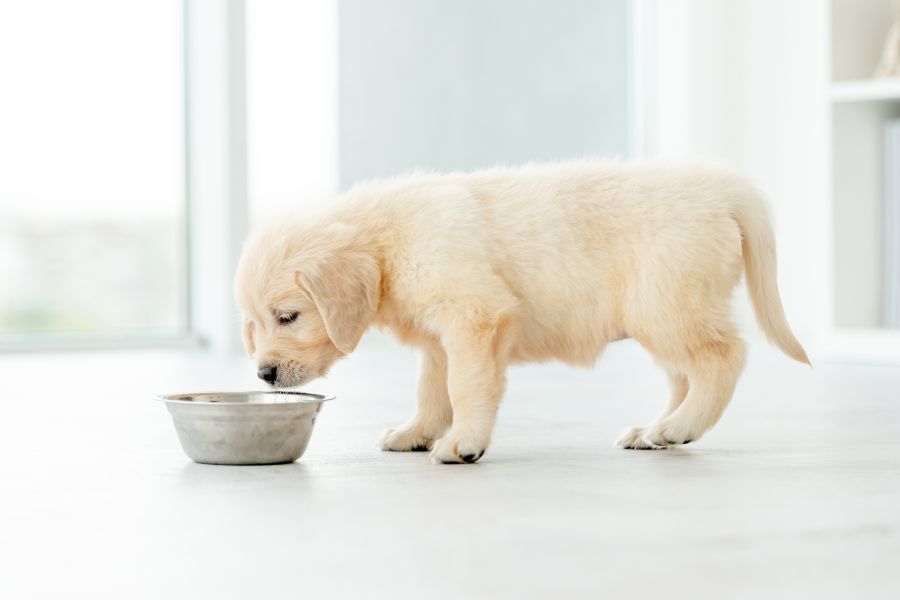



Potty training your puppy can feel challenging, but with the right approach, it’s easier than you think. In this guide, we discuss step-by-step strategies to teach your puppy where and when to go. From understanding your puppy’s bathroom signals to establishing a consistent schedule, our tips cover everything you need for successful house training. Learn how to prevent accidents, reinforce good behavior, and make potty training a positive experience for both you and your furry friend. With these practical techniques, your puppy will develop healthy habits quickly and confidently.
Why Potty Training Your Puppy Is Important
Potty training is not just about keeping your home clean—it’s essential for your puppy’s health, safety, and overall behavior. Puppies that aren’t properly trained may develop anxiety, accidents, and even destructive habits. Proper training ensures:
- Hygiene and cleanliness in your home
- Better communication between you and your puppy
- Fewer behavior problems later in life
- Stronger bond between pet and owner
By starting early, you can make the potty training process smoother and stress-free.
Step 1: Set Up a Designated Bathroom Spot
Choose a consistent area for your puppy to relieve themselves. Whether it’s a backyard spot or a puppy pad indoors, consistency is key. Puppies learn faster when they associate one area with bathroom duties.
- Always take your puppy to the same spot.
- Use a cue word like “go potty” to signal the action.
- Reward your puppy immediately after they finish with praise or treats.
Consistency in location and commands helps your puppy understand expectations quickly.
Step 2: Create a Bathroom Schedule
Puppies thrive on routine. A structured bathroom schedule reduces accidents and reinforces good habits. Typical schedule guidelines include:
- Take your puppy out first thing in the morning
- After meals or snacks
- After playtime or naps
- Before bedtime
Smaller breeds may need more frequent trips, as they have less bladder control. Keeping a schedule helps your puppy develop predictable bathroom patterns.
Step 3: Watch for Potty Signals
Puppies give clues when they need to go. Look for:
- Sniffing or circling
- Whining or pacing
- Heading toward the door
Respond immediately by taking your puppy to the designated bathroom spot. Prompt response reinforces learning and prevents accidents.
Step 4: Reward and Reinforce Positive Behavior
Positive reinforcement is the most effective training method. Use:
- Treats for successful bathroom trips
- Praise with a cheerful voice
- Playtime as a reward
Avoid punishment for accidents, as it can create fear or confusion. Instead, clean accidents thoroughly and continue reinforcing correct behavior.
Step 5: Limit Access and Supervise
Until your puppy is fully trained:
- Use baby gates or playpens to limit access to the home
- Supervise closely during free-roam time
- Confine them to a safe space when unsupervised
Supervision reduces accidents and accelerates learning. Crate training can also be a helpful tool when used correctly.
Step 6: Be Patient and Consistent
Remember, potty training takes time and patience. Puppies learn at different rates. Stick to your routine, reinforce positive behavior, and celebrate small victories. Consistency from all family members is crucial.
- Track progress in a journal
- Adjust the schedule based on your puppy’s needs
- Stay calm and encouraging during setbacks
Common Challenges and How to Overcome Them
Accidents inside the house: Avoid scolding. Clean thoroughly and review schedule.
Puppy not signaling: Increase supervision and reward even small signs of progress.
Regression: Often caused by stress or changes in routine. Return to consistent schedules and supervision.
Patience and consistency are your best tools for success.
Additional Tips for Successful Puppy Potty Training
- Feed on a schedule to predict bathroom needs
- Avoid free feeding, as irregular meals lead to unpredictable bathroom times
- Keep training sessions short and positive
- Gradually increase freedom as your puppy becomes reliable
Following these tips will ensure your puppy masters house training efficiently.
Potty training your puppy is a rewarding journey that requires patience, consistency, and positive reinforcement. By following this step-by-step guide, you’ll teach your puppy healthy bathroom habits and reduce stress for both you and your pet. For expert advice and support of puppy care in Southampton, contact Olde Towne Animal Hospital today and start your puppy on the path to successful house training.
Frequently Asked Questions
Q1. How long does it take to potty train a puppy?
Ans: Most puppies learn proper bathroom habits in 4–6 months, but small breeds or younger puppies may take longer. Consistency is key.
Q2. Can I potty train a puppy indoors?
Ans: Yes, using puppy pads or indoor grass patches works, but consistency in location and schedule is crucial for success.
Q3. What is the best age to start potty training?
Ans: Training can begin as early as 8 weeks old, but shorter attention spans require patience and frequent trips.
Q4. How do I handle accidents in the house?
Ans: Avoid punishment. Clean thoroughly, then reinforce correct behavior with praise and treats at the designated bathroom spot.
Q5. Are crate training and potty training compatible?
Ans: Absolutely. Crate training teaches bladder control and helps puppies learn to hold it until they’re taken outside.