


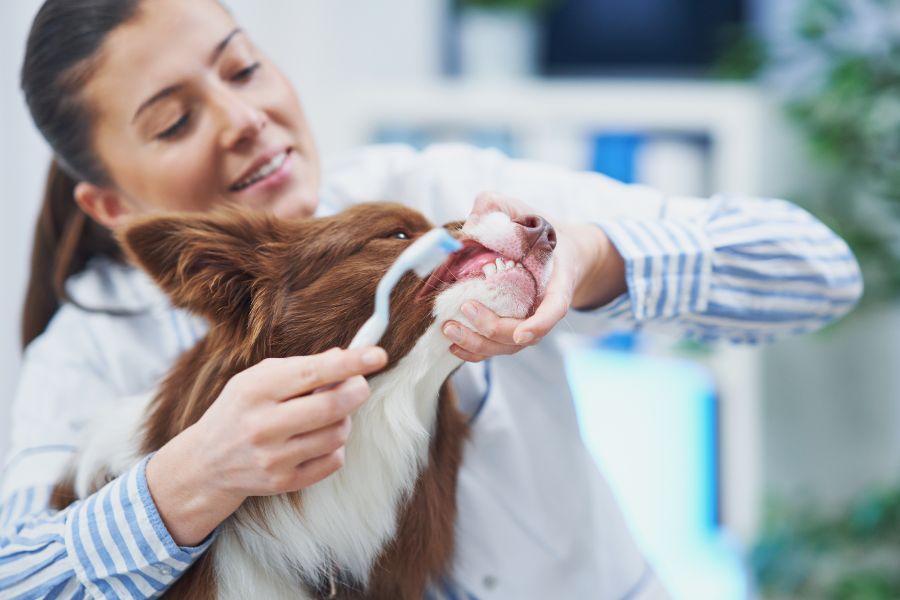
Dog teeth cleaning is one of the most important but often overlooked parts of pet health care. Just like humans, dogs can develop plaque, tartar buildup, gum disease, and bad breath if their teeth are not cleaned regularly.
In this guide, we’ll explain everything pet owners need to know about dog teeth cleaning, including the benefits of proper dental care, common cleaning methods used by veterinarians, and the typical costs involved. By understanding these factors, you can help protect your dog’s overall health and keep their smile bright for years to come.
Why Dog Teeth Cleaning Is Important
Many pet owners assume dental care for dogs is optional, but it actually plays a major role in overall health. Without regular dog teeth cleaning, bacteria in plaque can lead to dental disease, which affects a large percentage of dogs over the age of three.
Poor oral health can cause several problems, including:
- Persistent bad breath
- Gum inflammation (gingivitis)
- Pain when chewing
- Tooth loss
- Infection spreads to organs such as the heart, liver, and kidneys
Routine dental care prevents these issues before they become serious. Regular professional cleanings combined with home dental care can significantly extend your dog’s quality of life.
Signs Your Dog May Need Teeth Cleaning
Dogs rarely show obvious signs of dental discomfort until the problem becomes advanced. Knowing the early symptoms can help you schedule dog teeth cleaning before serious damage occurs.
Watch for these common warning signs:
- Strong or foul breath
- Yellow or brown tartar on teeth
- Red or swollen gums
- Excessive drooling
- Difficulty chewing food
- Pawing at the mouth
- Loose or missing teeth
If you notice any of these symptoms, it may be time to schedule a professional dental exam with your veterinarian.
Professional Dog Teeth Cleaning: What to Expect
Professional dog teeth cleaning performed by a veterinarian is the most effective way to remove plaque and tartar buildup. This procedure is more thorough than brushing at home and helps detect hidden dental issues.
A typical veterinary dental cleaning includes:
1. Full Oral Examination
Your veterinarian evaluates the teeth, gums, and oral tissues to identify dental disease or infections.
2. Anesthesia for Safety and Precision
Dogs are usually placed under anesthesia during professional cleaning. This allows veterinarians to clean beneath the gumline safely and prevents stress or movement.
3. Scaling and Tartar Removal
Special dental instruments remove plaque and hardened tartar from both visible tooth surfaces and below the gumline.
4. Polishing the Teeth
After scaling, the teeth are polished to smooth the enamel surface. This helps reduce future plaque buildup.
5. Dental X Rays (If Needed)
X-rays may be taken to detect hidden issues such as root infections, fractures, or bone loss.
Professional cleanings typically take between 45 minutes and two hours, depending on the condition of your dog’s teeth.
At-Home Dog Teeth Cleaning Methods
While professional dental cleanings are essential, daily care at home plays a major role in maintaining your dog’s oral health. Regular dog teeth cleaning routines can slow plaque buildup and reduce the frequency of professional procedures.
Here are effective ways to clean your dog’s teeth at home:
1. Brushing Your Dog’s Teeth
Brushing is the most recommended method for maintaining dental health.
Tips for brushing your dog’s teeth:
- Use a dog-specific toothbrush or finger brush
- Always use toothpaste made for dogs
- Brush at least 2 to 3 times per week
- Focus on the outer surfaces of the teeth
Never use human toothpaste, as it contains ingredients that may be harmful to dogs.
2. Dental Chews
Dental treats help scrape plaque off teeth while dogs chew. Look for products designed to reduce tartar and support oral hygiene.
3. Water Additives
Some pet dental products can be added to drinking water to help control bacteria that cause plaque and bad breath.
4. Dental Toys
Chewing toys designed for dental health can gently clean teeth and massage gums.
These methods work best when used consistently as part of your dog’s regular care routine.
How Often Should Dogs Get Their Teeth Cleaned?
The frequency of professional dog teeth cleaning depends on several factors, including breed, age, diet, and existing dental health.
Most veterinarians recommend:
- Professional cleaning once a year for many adult dogs
- More frequent cleanings for small breeds prone to dental disease
- Early dental checks start around one year of age
Smaller breeds such as Chihuahuas, Yorkies, and Dachshunds often need more frequent dental care because their teeth are more prone to plaque buildup.
Regular veterinary exams will help determine the best cleaning schedule for your pet.
Dog Teeth Cleaning Costs Explained
One of the most common questions pet owners ask is how much dog teeth cleaning costs. The price varies depending on several factors, including the dog’s size, the clinic, and the severity of dental disease.
Typical cost factors include:
- Pre-anesthetic blood testing
- Anesthesia monitoring
- Dental scaling and polishing
- Dental X-rays
- Tooth extractions, if needed
On average, professional dog teeth cleaning can cost a lot in the United States. If dental disease requires extractions or additional treatment, the cost may increase.
Although the upfront cost may seem significant, preventive dental care often saves money by avoiding more serious procedures later.
Tips to Maintain Your Dog’s Dental Health
Preventive care is the best way to reduce the need for frequent dental procedures. Consistent dog teeth cleaning habits help keep plaque under control and maintain healthy gums.
Follow these tips to support your dog’s oral health:
- Brush your dog’s teeth regularly
- Provide dental chews or toys
- Schedule annual veterinary dental exams
- Feed a balanced diet recommended by your veterinarian
- Watch for early signs of dental disease
When dental care becomes part of your routine, it becomes much easier to prevent painful oral health issues.
Regular pet dental cleaning plays a critical role in keeping your pet healthy and comfortable. From preventing gum disease to protecting vital organs from infection, dental care is an essential part of responsible pet ownership.
Combining professional cleanings with consistent home care can greatly reduce plaque buildup, improve breath, and protect your dog’s long-term health. If your dog shows signs of dental issues or has not had a recent dental exam, scheduling a checkup is a smart next step. Contact Olde Towne Animal Hospital in Southampton, NY, to book a dental evaluation and keep your dog’s smile healthy.
FAQs
Q1: How often should dog teeth cleaning be done?
Ans: Most dogs benefit from professional dental cleaning once a year, although some breeds may require more frequent care depending on their dental health.
Q2: Is anesthesia necessary for dog teeth cleaning?
Ans: Yes, anesthesia is typically required for professional cleaning so veterinarians can safely clean beneath the gumline and perform a thorough dental exam.
Q3: Can I clean my dog’s teeth at home instead of visiting a vet?
Ans: Home brushing and dental chews help maintain oral health, but professional dog teeth cleaning is still necessary to remove hardened tartar and detect hidden dental problems.
Q4: What happens if dog teeth cleaning is ignored?
Ans: Without regular dental care, dogs may develop periodontal disease, tooth loss, infections, and pain while eating.
Q5: At what age should dogs start dental cleanings?
Ans: Many veterinarians recommend dental evaluations starting around one year of age, with cleanings scheduled as needed based on plaque buildup and oral health.