

As pet parents, we all want to see our dogs and cats happy, energetic, and comfortable at every stage of life. One area that often gets overlooked until there’s a problem is dental health. Bad breath, reluctance to eat, or inflamed gums can quietly affect your pet’s overall well-being. Nutrition plays a larger role in oral health than many owners realize, and certain foods, including seafood, can offer surprising benefits when used correctly. For families, trusting animal clinics and reliable guidance makes preventive care easier and less stressful. At Olde Towne Animal Hospital, dental wellness is viewed as a lifelong commitment, not a once-a-year concern. Understanding how diet supports strong teeth and healthy gums helps pet owners make informed decisions long before dental disease develops.
What This Means for Your Pet’s Health
Dental disease doesn’t just affect the mouth, it impacts the entire body. Bacteria from infected gums can enter the bloodstream and contribute to serious health problems involving the heart, kidneys, and liver. This is why veterinarians emphasize early prevention, routine oral exams, and proactive dental care rather than waiting for visible symptoms.
When dental disease is caught early, it’s far easier and less costly to manage. Thoughtful nutrition, paired with professional dental evaluations, can slow plaque buildup, strengthen gum tissue, and reduce chronic inflammation. Over time, these small preventive steps can significantly extend your pet’s quality of life.
Seafood-based ingredients are particularly valuable because they are rich in omega-3 fatty acids, zinc, and essential proteins. These nutrients help reduce gum inflammation, support tissue repair, and strengthen the immune system. When included as part of a well-formulated diet, seafood-based nutrition can complement professional services such as pet dentistry in Southampton, NY, providers offer. Instead of relying on brushing alone, pet owners benefit from a layered approach that combines diet, at-home care, and veterinary expertise.
Key Benefits for Pet Owners
A dental-friendly diet offers long-term advantages that go beyond fresh breath:
- Supports healthier gums by reducing inflammation
- Strengthens teeth through high-quality proteins and minerals
- Helps reduce plaque accumulation when combined with proper dental routines
- Improves overall comfort, especially for senior pets
- Encourages better eating habits and digestion
Local pet owners who work closely with animal hospitals and experienced veterinary hospital teams often report fewer emergency dental issues, improved appetite, and a noticeable boost in their pet’s energy levels. Preventive dental care also reduces the likelihood of painful extractions or advanced procedures later in life.
Practical Tips You Can Use at Home
Maintaining your pet’s dental health doesn’t require complicated routines or expensive tools. Small, consistent habits can make a meaningful difference over time and help prevent serious oral disease.
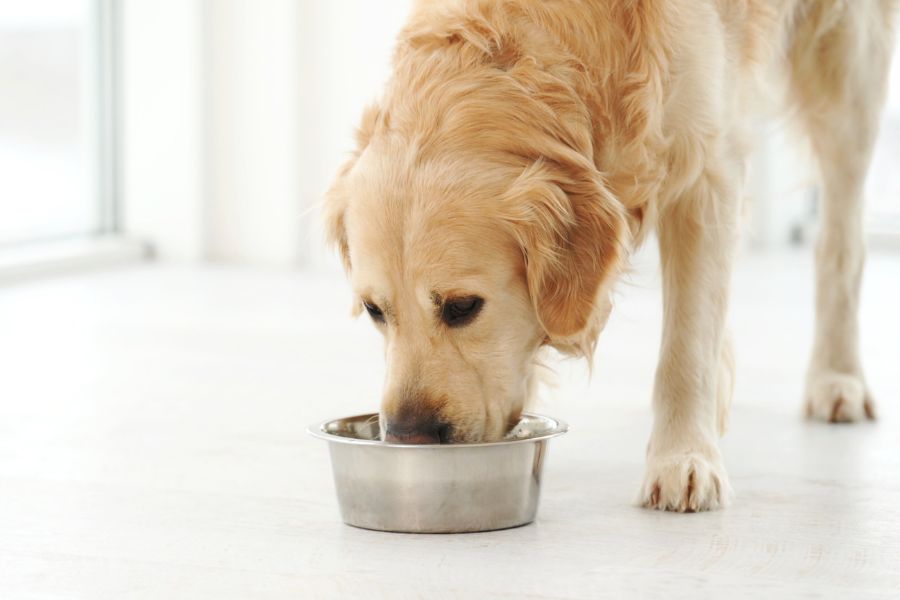
- Choose vet-approved foods with seafood ingredients such as salmon or sardines
- Avoid feeding cooked bones or heavily seasoned fish scraps
- Use dental chews recommended by animal clinics
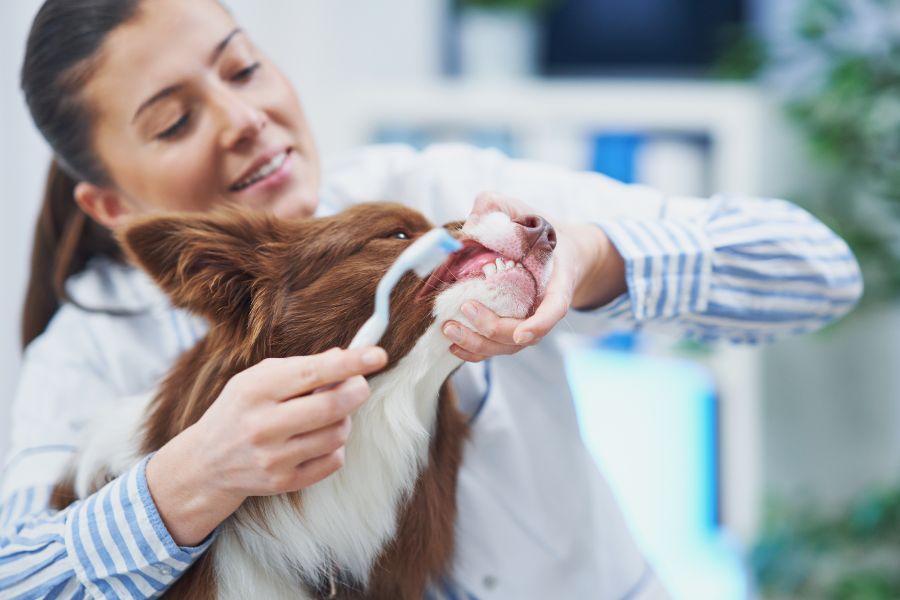
- Brush your pet’s teeth several times a week with pet-safe toothpaste
- Watch for warning signs like drooling, pawing at the mouth, or changes in appetite
If your pet resists oral care at home, don’t feel discouraged. A professional evaluation from a veterinarian can identify gentler alternatives, recommend specific products, and rule out hidden dental pain that may be causing resistance.
How Our Veterinary Team Supports the Community
Preventive dental care works best when home routines are supported by professional expertise. Experienced veterinary teams provide oral exams, digital dental imaging, and cleanings that can’t be replicated at home. As a trusted veterinary hospital in Southampton, NY, Olde Towne Animal Hospital focuses on personalized veterinary dental care plans tailored to each pet’s age, breed, and lifestyle. From puppy and kitten checkups to senior wellness programs, local animal hospitals play a critical role in detecting dental disease early and helping pet families avoid painful, costly procedures later. This combination of nutrition guidance, routine exams, and professional dental care builds lasting trust between veterinarians and the community.
Dental health is about more than clean teeth; it’s about protecting your pet’s comfort, confidence, and overall wellness. Seafood-based nutrition, combined with regular checkups and proactive care, can significantly reduce the risk of oral disease over time. For pet owners, partnering with a dedicated veterinary team at Olde Towne Animal Hospital ensures that small concerns never become major problems. If you’re unsure whether your pet’s diet is supporting their dental health, or if it’s time for a professional evaluation, now is the perfect moment to take action. Book an appointment today to give your pet the healthy smile they deserve.
FAQs
Q1: Is seafood safe for pets’ teeth?
Ans: Yes, when properly prepared and balanced, seafood ingredients can support gum health and reduce inflammation. Always choose vet-approved foods and avoid seasoning or raw fish.
Q2: Can diet really prevent dental disease?
Ans: Diet alone isn’t enough, but it plays a major supporting role. When combined with brushing and professional cleanings, nutrition can slow plaque buildup significantly.
Q3: How often should my pet have a dental checkup?
Ans: Most pets benefit from annual dental exams. Some breeds or senior pets may need more frequent visits based on individual risk.
Q4: Are dental chews as effective as brushing?
Ans: Dental chews help reduce plaque, but they don’t replace brushing entirely. Using both together provides the best results.
Q5: What are the early signs of dental problems?
Ans: Bad breath, red gums, difficulty chewing, or changes in behavior are common early indicators that should prompt a vet visit.
Q6: When is professional dental cleaning necessary?
Ans: If tartar buildup, gum inflammation, or pain is present, professional cleaning at an animal clinic or veterinary hospital is essential for preventing further complications.