

Many pet owners worry about whether anesthesia is safe for pets, especially during long or complex surgical procedures. This guide explains how veterinary anesthesia works, what risks exist, and how modern medicine minimizes complications. If you are planning a pet surgery in Southampton, understanding anesthesia safety can help you make informed, confident decisions for your pet.
Understanding Anesthesia in Veterinary Medicine
Anesthesia allows veterinarians to perform surgeries and diagnostic procedures without causing pain or distress to pets. It involves carefully controlled medications that induce unconsciousness, muscle relaxation, and pain relief.
In modern veterinary practice, anesthesia is highly regulated and customized. Factors such as species, breed, weight, age, and medical history all play a role in selecting the safest anesthesia plan.
For most healthy pets, anesthesia is considered very safe when proper protocols are followed. Advances in monitoring equipment and drug formulations have significantly reduced complication rates over the last decade.
Is Anesthesia Safe for Pets During Long Surgeries?
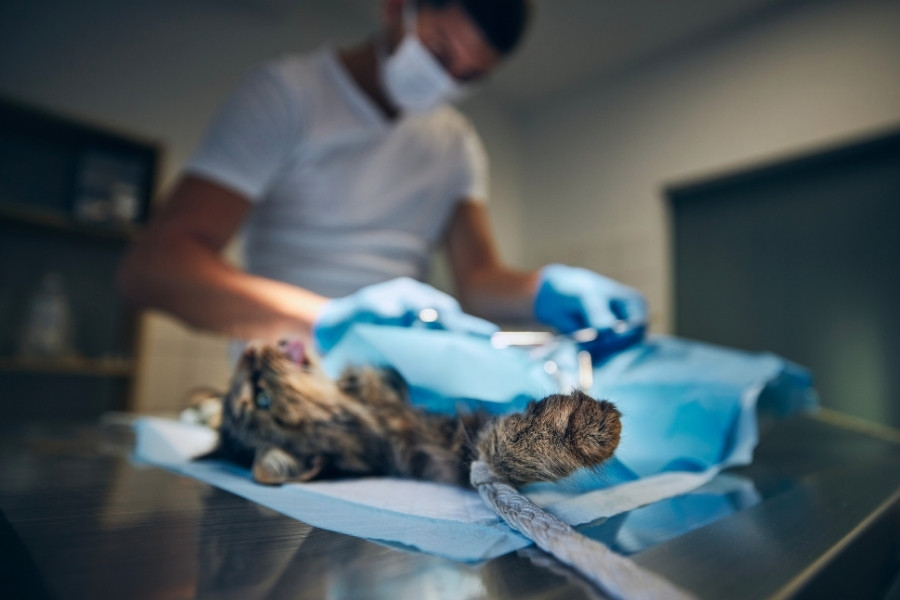
The question many owners ask is whether anesthesia remains safe when surgeries take longer. The short answer is yes, provided appropriate precautions are in place.
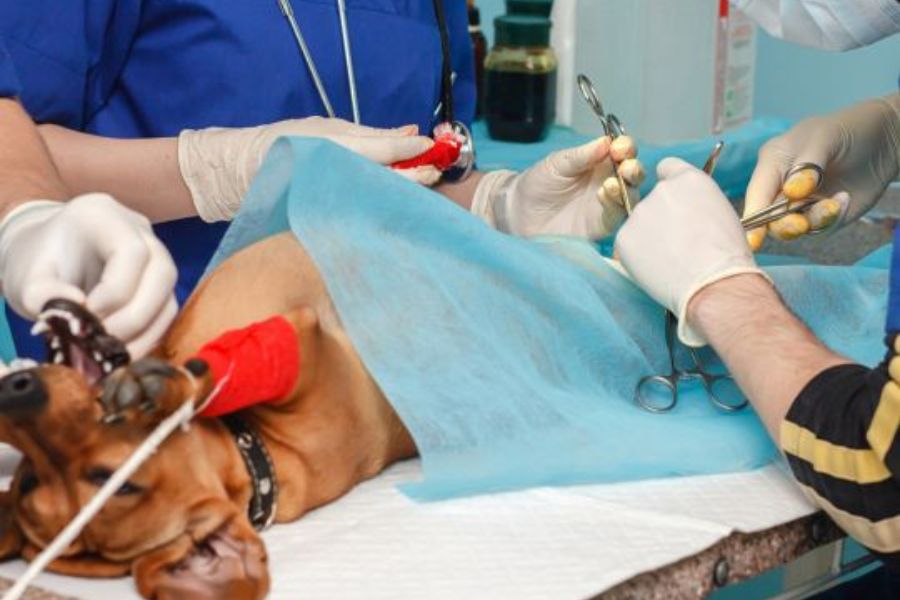
During long procedures, veterinarians focus on maintaining stable vital signs and oxygen levels. Continuous monitoring ensures that even subtle changes are detected early.
Key safety measures during long surgeries include:
- Constant heart rate and oxygen monitoring
- Intravenous fluids to support circulation
- Temperature regulation to prevent hypothermia
- Trained staff dedicated to anesthesia supervision
These protocols make anesthesia safe for pet patients even during extended surgical times.
Risks of Anesthesia in Pets You Should Know
While anesthesia is generally safe, no medical procedure is completely without risk. Understanding the risks of anesthesia in pets helps set realistic expectations.
Potential risks include:
- Temporary drops in blood pressure
- Changes in heart or breathing rate
- Allergic reactions to medications
- Delayed recovery in rare cases
Serious complications are uncommon, especially when pre-surgical screening is performed. Pets with underlying conditions may face slightly higher risks, which is why a thorough evaluation is critical. Veterinarians weigh the risks of anesthesia against the risks of not treating a medical condition, such as pain, infection, or disease progression.
Common Pet Anesthesia Side Effects
Most pets experience mild and temporary reactions after anesthesia. These pet anesthesia side effects usually resolve within 12 to 24 hours.
Common side effects include:
- Sleepiness or grogginess
- Mild nausea or reduced appetite
- Temporary disorientation
- Shivering as the body temperature normalizes
Less common side effects may include vomiting or diarrhea. Pet owners are usually given detailed post-operative care instructions to manage these symptoms at home. If side effects persist beyond 24 hours or worsen, contacting your nearest veterinarian is recommended.
Anesthesia for Elderly Pets: Is It More Dangerous?
Age alone does not make anesthesia unsafe, but anesthesia for elderly pets does require extra care. Senior pets are more likely to have conditions such as kidney disease, heart issues, or arthritis.
To reduce risks in older pets, veterinarians often:
- Perform advanced blood work and diagnostics
- Adjust anesthesia drug dosages
- Use shorter-acting medications
- Monitor organ function closely during recovery
With these precautions, many senior pets safely undergo necessary procedures and enjoy improved quality of life afterward.
How Veterinarians Reduce Anesthesia Risks
Veterinary teams take a multi-step approach to minimize anesthesia risks before, during, and after surgery.
Pre-Anesthetic Evaluation
This includes physical exams, blood tests, and sometimes imaging. These steps identify hidden issues that could affect anesthesia safety.
Customized Anesthesia Protocols
There is no one-size-fits-all approach. Drug selection and dosing are tailored to each pet.
Advanced Monitoring
Modern clinics use equipment to track heart rate, blood pressure, oxygen levels, and body temperature in real time.
Post-Surgical Care
Recovery is closely supervised to ensure pets wake up smoothly and regain normal function.
These measures collectively ensure anesthesia remains safe for most pets undergoing surgery.
What Pet Owners Can Do Before Surgery
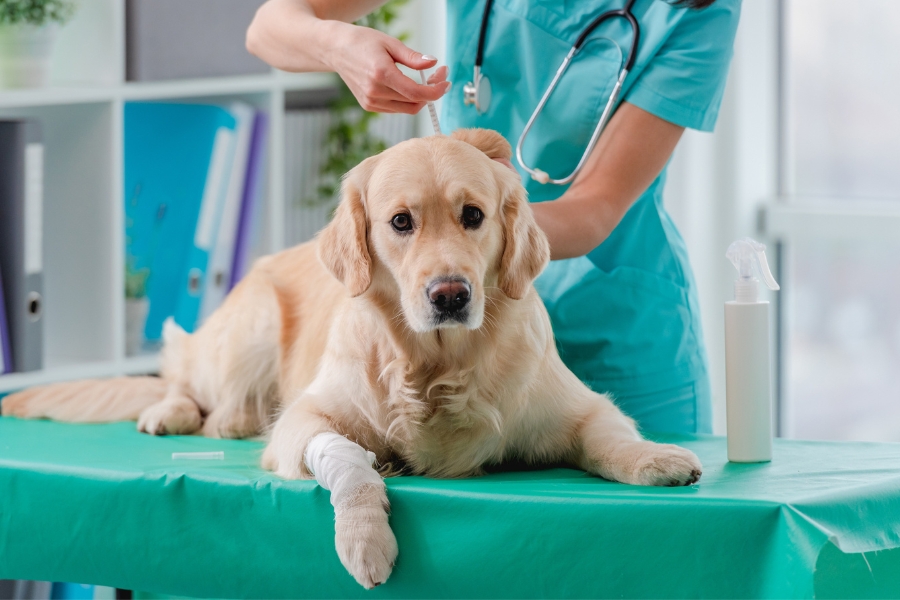
Pet owners play an important role in anesthesia safety. Preparation helps reduce complications and stress.
Helpful steps include:
- Follow fasting instructions carefully
- Share complete medical history with your veterinarian
- Mention all medications and supplements
- Ask questions about the procedure and recovery
Being informed and prepared contributes to a smoother surgical experience for both pets and owners.
When the Benefits Outweigh the Risks
In many cases, surgery is necessary to relieve pain, correct injuries, or treat serious conditions. The risks of avoiding treatment often outweigh the risks associated with anesthesia. Conditions such as tumors, dental disease, internal injuries, or orthopedic problems can worsen without surgical intervention. Properly managed anesthesia allows pets to heal and return to normal activities. This is especially relevant for families considering pet surgery in Southampton, where access to modern veterinary care supports positive outcomes.
Conclusion
So, is anesthesia safe for pets during long surgeries? In most cases, yes. With thorough screening, advanced monitoring, and individualized care, anesthesia is a reliable and essential part of modern veterinary medicine. If you are planning a procedure with Olde Towne Animal Hospital, their experienced team prioritizes safety at every stage. Schedule a consultation today to discuss your pet’s surgical needs and anesthesia options with confidence.
FAQs
Q1: Is anesthesia safe for pets with no prior health issues?
Yes, healthy pets generally tolerate anesthesia very well, especially when pre-surgical exams are normal.
Q2: What are the most common side effects of pet anesthesia?
Sleepiness, mild nausea, and temporary disorientation are the most common and usually resolve within a day.
Q3: Is anesthesia for elderly pets always risky?
Not always. With proper testing and adjusted protocols, senior pets can safely undergo anesthesia.
Q4: How do vets reduce the risks of anesthesia in pets?
They use pre-anesthetic testing, customized drug plans, and continuous monitoring throughout the procedure.
Q5: Should I worry more about long surgeries than short ones?
Long surgeries require closer monitoring, but when managed correctly, anesthesia remains safe for most pets.