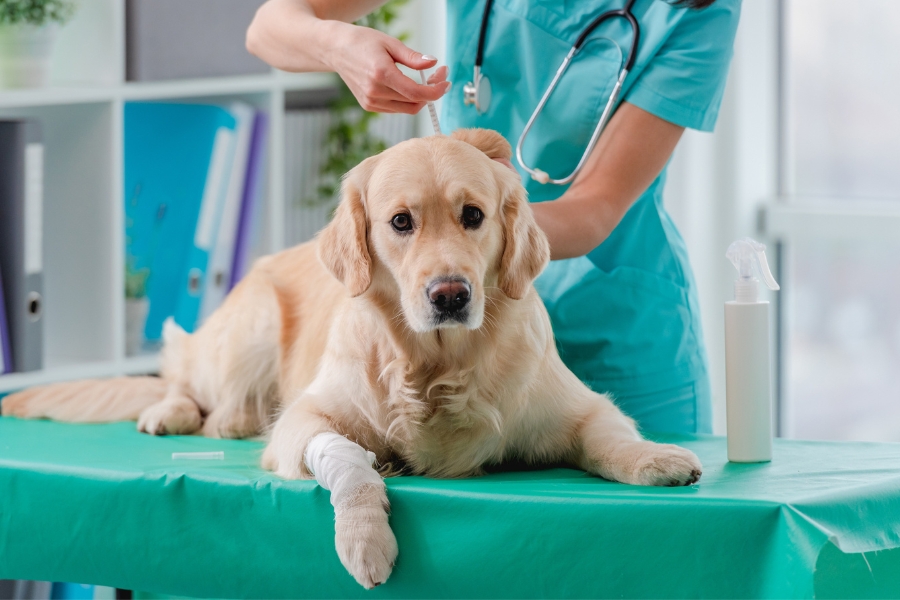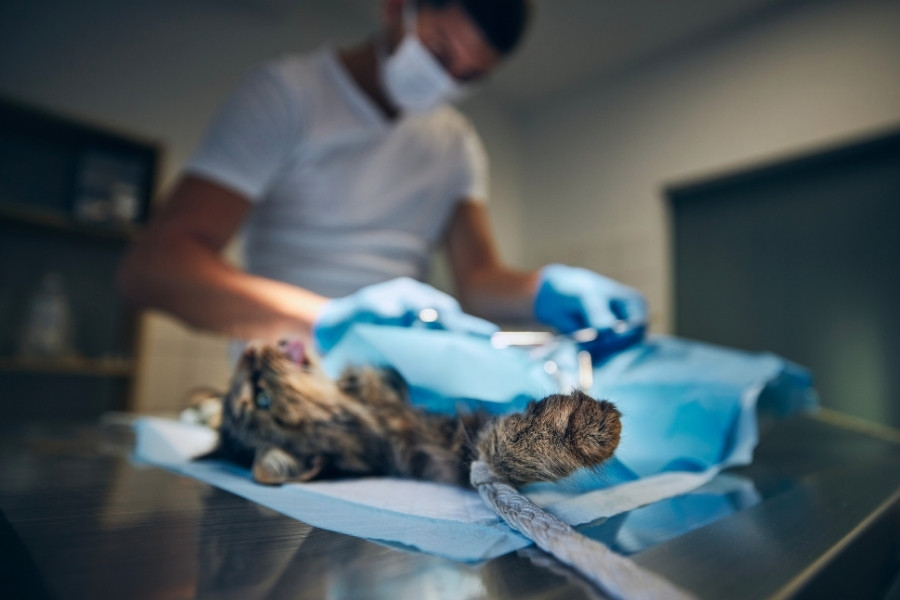


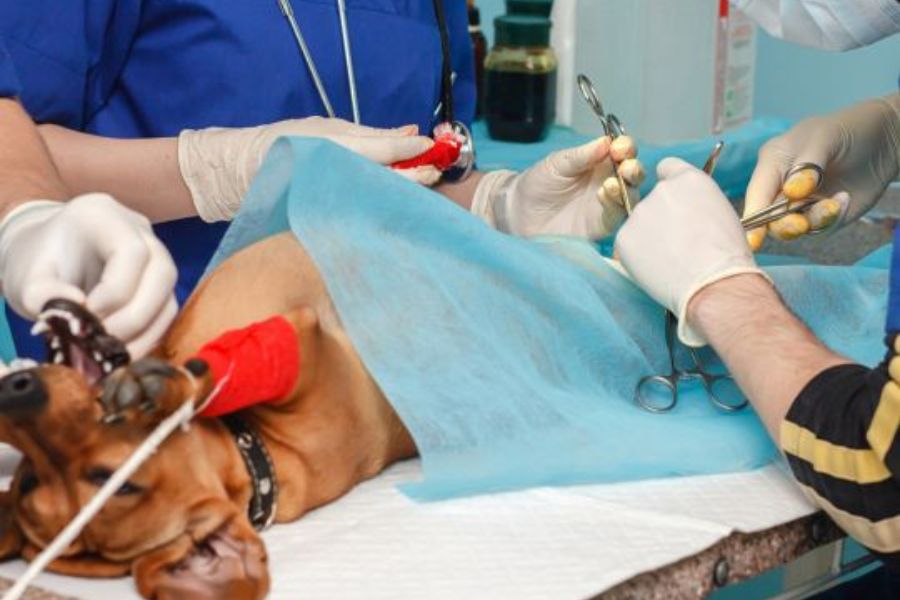
Few moments are more stressful for a pet owner than being told their dog or cat needs surgery. Questions about safety, recovery, and comfort often come rushing in all at once. In close-knit communities like Southampton, where pets are truly part of the family, trust and reassurance matter just as much as medical expertise.
Modern veterinary surgery has undergone significant evolution over the years. Today’s procedures are designed not only to treat medical issues effectively but also to minimize discomfort and promote faster healing. With thoughtful planning, advanced techniques, and attentive post-operative care, surgery can be a positive turning point in a pet’s health journey rather than a frightening experience.
This blog explores how contemporary pet surgical care focuses on reducing stress, supporting recovery, and helping pets return to their normal routines with confidence while giving local pet owners peace of mind every step of the way.
What This Means for Your Pet’s Health
Surgery plays a vital role in addressing various health conditions that pets encounter throughout their lives, ranging from injuries to chronic medical issues. When performed with modern standards of care, surgical treatment can significantly improve comfort, mobility, and long-term wellness.
Today’s approach to pet surgery emphasizes careful evaluation before any procedure begins. This includes thorough examinations, diagnostic testing, and customized surgical plans based on a pet’s age, size, and overall health. These steps help reduce risks and allow veterinarians to act proactively rather than reactively.
Equally important is the focus on pain management. Advances in anesthesia, monitoring, and post-operative support allow pets to remain calm and comfortable throughout the surgical process. This reduces anxiety, promotes healing, and helps pets regain strength more quickly once they return home.
Key Benefits for Local Pet Owners
Choosing modern veterinary surgical care offers meaningful advantages for both pets and their families. These benefits extend beyond the procedure itself and encompass recovery and long-term health.
- Reduced stress for pets: Gentle handling, pre-surgical planning, and attentive monitoring help pets feel safe before and after surgery.
- Improved pain control: Advanced pain management techniques support comfort and mobility during recovery.
- Faster healing: Minimally invasive methods and precise surgical techniques can shorten recovery times.
- Peace of mind: Clear communication and personalized care help pet owners feel informed and confident.
- Long-term wellness: Addressing health issues early can prevent complications and improve quality of life.
For Southampton pet owners balancing busy schedules, seasonal travel, and outdoor lifestyles, these benefits make a real difference in everyday life.
Practical Tips You Can Use at Home
Supporting your pet before and after surgery doesn’t stop at the clinic. Simple steps at home can ease stress and promote healing.
- Create a quiet recovery space: Choose a calm, comfortable area away from household noise where your pet can rest.
- Follow feeding instructions carefully: Post-surgical diets and hydration guidelines are important for recovery.
- Limit activity: Even active pets need time to heal. Short leash walks and restricted movement help prevent setbacks.
- Watch for changes: Monitor appetite, energy levels, and incision sites, and report concerns promptly.
- Stick to medication schedules: Consistent pain relief and prescribed treatments support comfort and healing.
Local factors, such as Southampton’s seasonal weather and outdoor activity levels, can influence recovery. Adjusting routines accordingly helps ensure your pet heals safely.
How Our Veterinary Team Supports the Community
Veterinary care is most effective when it reflects the needs of the community it serves. Local animal hospitals and vet clinics understand the lifestyle, concerns, and expectations of Southampton pet owners.
Experienced veterinarians provide individualized surgical care that prioritizes safety, comfort, and clear communication. From initial consultations to follow-up visits, the focus remains on guiding families through every stage of the process with compassion and transparency. This personalized approach is central to how pet surgical procedures are delivered, combining medical expertise with genuine community care.
By working closely with pet owners, veterinary teams help ensure that each pet receives the attention and support needed for a smooth recovery and lasting health.
Modern veterinary surgery is about far more than treating a condition; it’s about reducing fear, promoting healing, and strengthening the bond between pets and their families. With thoughtful preparation, advanced techniques, and compassionate follow-up care, surgery can be a positive and reassuring experience.
For pet owners seeking a trusted pet surgery clinic, working with a dedicated local veterinary team in Olde Towne Animal Hospital, situated in Southampton, ensures that pets receive care tailored to their unique needs. If your pet may benefit from surgical treatment or if you have concerns about their health, scheduling an appointment is an important step toward comfort, recovery, and long-term wellness.
Frequently Asked Questions
Q1: How do veterinarians reduce stress for pets during surgery?
Ans: Veterinary teams use gentle handling, calming techniques, and tailored anesthesia plans to help pets remain comfortable before, during, and after procedures.
Q2: How long does recovery usually take after surgery?
Ans: Recovery time varies depending on the procedure and the pet’s overall health, but many pets begin showing improvement within days when post-operative instructions are followed carefully.
Q3: When should I contact the veterinary clinic after surgery?
Ans: If you notice changes such as swelling, loss of appetite, unusual behavior, or signs of discomfort, it’s important to contact your veterinary clinic promptly for guidance.
Q4: Can my pet eat or drink before surgery?
Ans: In most cases, pets need to fast for several hours before surgery to ensure anesthesia is administered safely. Your veterinarian will provide clear instructions based on your pet’s procedure, age, and health status.
Q5: Are modern veterinary surgeries safe for senior pets?
Ans: Yes. With proper pre-surgical testing, tailored anesthesia protocols, and close monitoring, many senior pets safely undergo surgery. Modern techniques are designed to account for age-related health considerations.
Q5: How can I help my pet stay calm on the day of surgery?
Ans; Keeping routines familiar, avoiding excessive attention or anxiety, and following your veterinarian’s drop-off instructions can help reduce stress. Bringing a familiar blanket or toy may also provide comfort.