


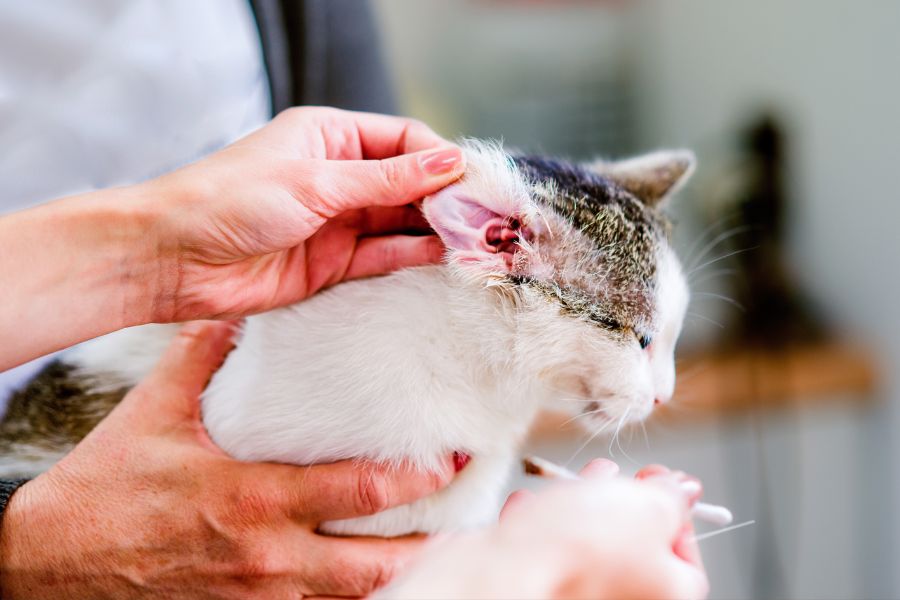
Cat ear infections can be uncomfortable, painful, and easy to miss until symptoms worsen. Understanding cat ear infection symptoms early helps owners act fast and protect their pet’s long-term ear health. You’ll discover the most effective ear infection treatment for cats recommended by veterinary professionals. Whether your feline is already showing symptoms or you want to prevent future issues, this article gives you everything you need to keep your cat healthy and comfortable.
Common Cat Ear Infection Symptoms to Watch For
Cat ear infections often start subtly but progress quickly. Recognizing early signs can help you intervene before complications develop. Typical cat ear infection symptoms include:
- Persistent scratching around the ears
- Head shaking or tilting
- Redness or swelling inside the ear canal
- Brown, black, or yellow ear discharge
- A foul or yeasty odor
- Sensitivity when the ears are touched
- Scabs or hair loss around the ear area
- Loss of balance or disorientation in more severe cases
Cats are excellent at masking discomfort, so even slight behavioral changes—like hiding or irritability—can signal an underlying problem. If you notice any of these symptoms, prompt evaluation is essential.
What Causes Ear Infections in Cats?
Unlike dogs, cats are less prone to ear infections, which means an underlying cause is often present. Understanding these triggers can help you prevent recurring issues.
1. Ear Mites
The most common cause of feline ear infections, especially in kittens. These microscopic parasites feed on skin debris and create intense itching. The hallmark sign is dark, coffee-ground-like discharge.
2. Allergies
Food sensitivities or environmental allergies can inflame the ear canal, leading to chronic infections.
3. Bacterial or Yeast Overgrowth
When the ear’s natural balance is disrupted—whether due to moisture, debris, or inflammation—harmful microbes multiply rapidly.
4. Polyps or Masses
Growths within the ear canal or middle ear can restrict airflow and trap moisture, creating an environment where infections thrive.
5. Foreign Bodies
Outdoor cats may get seeds, grass, or debris lodged inside the ear, triggering irritation and infection.
6. Hormonal or Immune Disorders
Conditions like hypothyroidism or autoimmune issues can weaken the body’s defenses.
Understanding the root cause is key to effective treatment—another reason professional evaluation is essential.
How Veterinarians Diagnose Cat Ear Infections
Diagnosis involves more than a quick glance. Quality veterinary care, such as what you’d expect from diagnostic pet care Southampton professionals, follows a thorough process:
Physical Examination
A vet will visually inspect the ear canal with an otoscope, looking for mites, swelling, discharge, foreign bodies, or structural changes.
Microscopic Evaluation (Cytology)
A sample of ear debris is examined under a microscope to identify yeast, bacteria, mites, or inflammatory cells. This step guides the choice of medication.
Culture and Sensitivity Testing
For chronic or severe infections, a culture identifies the exact bacteria present and determines which antibiotics will work best.
Imaging
If deeper infection or polyps are suspected, imaging such as X-rays or advanced diagnostics may be recommended.
Accurate diagnosis ensures that treatment is targeted and effective, reducing the risk of painful or recurring infections.
How to Treat Cat Ear Infection Safely and Effectively
Once a veterinarian identifies the cause, they’ll create a tailored plan to treat cat’s ear infection concerns effectively. Treatment typically includes:
1. Professional Ear Cleaning
A veterinary team will safely clear debris, discharge, or mites. This step improves medication effectiveness and helps relieve discomfort.
2. Medicated Ear Drops or Ointments
These may include:
- Antibiotic drops for bacterial infections
- Antifungal medications for yeast
- Anti-inflammatory drugs to reduce redness and pain
- Parasiticides for ear mites
Follow the prescribed schedule strictly, as stopping early may cause recurrence.
3. Oral Medications
Severe cases may require oral antibiotics, steroids, or anti-parasitic medications.
4. Treating Underlying Causes
Allergies may require diet changes, antihistamines, or long-term management. Polyps or tumors may require surgical intervention.
5. Home Care Instructions
Owners may be advised to clean the ears at home between check-ups. Only use vet-approved solutions—never alcohol, hydrogen peroxide, or household products.
Properly following the prescribed ear infection treatment for cats ensures faster healing and prevents long-term damage.
Safe At-Home Care Tips (Vet-Approved)
While veterinarians handle most of the clinical treatment, pet owners play a major role in ongoing care.
Best Practices Include:
- Follow all medication schedules without skipping doses.
- Keep the ears dry—avoid getting water in the ears during baths.
- Gently wipe the outer ear with a soft cloth; never probe deep into the canal.
- Keep your home environment clean to limit allergens and mites.
- Monitor your cat’s behavior daily during recovery.
Remember: home care supports medical treatment—it should never replace professional veterinary evaluation.
How to Prevent Future Ear Infections
Prevention plays a huge role in long-term ear health.
- Routine ear checks at home can help spot early color, odor, or discharge changes.
- Regular grooming—especially for long-haired cats—keeps the ear area clean.
- Control allergies through dietary management and vet-guided treatments.
- Prevent ear mites with monthly parasite protection.
- Schedule routine exams, particularly for cats with a history of chronic issues.
Healthy ears mean a happier, more comfortable cat—and less stress for pet owners.
Conclusion
Cat ear infections can be distressing for both pets and owners, but early recognition, proper diagnosis, and targeted treatment make all the difference. Understanding common cat ear infection symptoms and knowing how vets treat cat ear infection conditions helps you act quickly and confidently. With the right ear infection treatment for cats and preventive care, your feline companion can remain comfortable and infection-free long-term.
If you are conveniently located in Southampton, NY, and searching for the best diagnostic pet care near me, Olde Towne Animal Hospital is the trusted choice for compassionate, advanced, and reliable pet care.
FAQs
Q1: How can I tell if my cat has an ear infection?
Ans: Look for scratching, head shaking, redness, discharge, or foul odor from the ears — these are common cat ear infection symptoms.
Q2: Can I treat my cat’s ear infection at home?
Ans: Only mild cases may benefit from supportive care, but proper ear infection treatment for cats usually requires veterinary diagnosis and medicated drops.
Q3: How long does it take for a cat’s ear infection to heal?
Ans: With proper treatment, most infections improve within 7–14 days, though chronic or severe cases may take longer.
Q4: What causes recurring ear infections in cats?
Ans: Common causes include ear mites, allergies, underlying health issues, or incomplete treatment of a previous infection.
Q5: Is it safe to clean my cat’s ears myself?
Ans: Yes, if you use vet-approved solutions and avoid inserting cotton swabs into the ear canal, which can cause injury.