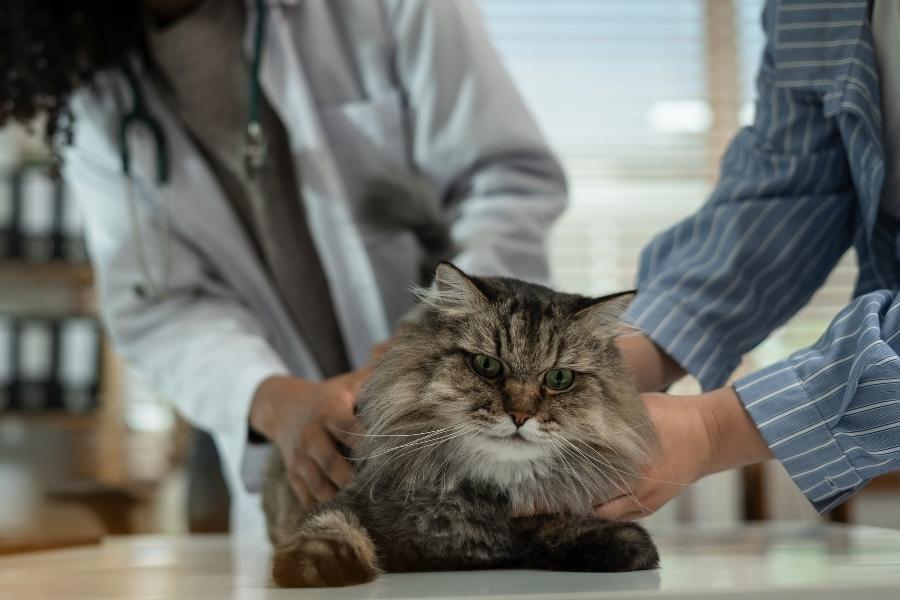



Every dog owner wants their furry friend to stay happy and healthy. Yet, dogs can’t tell us when they feel unwell. That’s why recognizing early warning signs and acting swiftly is crucial. Regular pet preventative care in Southampton adds an extra layer of protection against hidden illnesses. In this guide, we’ll explore the five key signs your dog needs a vet check and why timely visits matter.
1. Appetite Adventures: When Eating Habits Change Drastically
Dogs usually have steady appetites. If you notice your dog suddenly refuses food, eats much less, or shows a marked increase in hunger, it signals a red flag. Loss of appetite might point to infections, dental problems, or organ issues, while increased hunger can hint at diabetes or parasites.
Always observe the duration and intensity of these changes. If your dog’s eating habits shift for more than a day or two, it’s time to consult the vet.
2. Breathing Battles: Persistent Coughing or Labored Breaths
Occasional coughing or panting after exercise is normal. However, persistent coughing, wheezing, or difficulty breathing denotes potential problems like infections, allergies, heart conditions, or even foreign objects lodged in airways.
Prompt vet evaluation ensures effective treatment plans, especially when combined with pet preventative care Southampton clinics emphasize.
3. Mood Swings: Behavioral Shifts That Speak Volumes
Dogs don’t just get sick physically; they show emotional signs too. Drastic behavioral changes — fearfulness, aggression, lethargy, or withdrawal — often indicate pain, neurological issues, or anxiety.
If your once playful pup suddenly seems sad or avoids interaction, a vet check can spot underlying health concerns early.
4. Troubled Tummies: Vomiting or Diarrhea That Won’t Quit
An occasional upset stomach is common, but ongoing vomiting or diarrhea is not. These symptoms may indicate gastrointestinal infections, dietary indiscretions, parasites, or chronic diseases.
Your vet can perform diagnostic tests to identify causes and recommend treatment.
5. Limping & Lethargy: Movements Show What Words Can’t
Limping, stiffness, or unusual tiredness often signal injuries, arthritis, or neurological problems. Dogs tend to mask pain, so subtle signs should never be ignored.
Early diagnosis through vet visits and preventative care reduces risks of permanent damage and improves recovery chances.
Why Pet Preventative Care Matters
Routine vet visits allow professionals to catch issues before they escalate. Southampton’s trusted pet preventative care programs include vaccinations, health screenings, parasite prevention, and wellness exams tailored for your dog. These preventive strategies save lives by maintaining overall well-being.
FAQs
Q1. How often should I bring my dog for a vet check?
Ans. At least once a year for healthy adults; seniors or special cases may require more frequent visits.
Q2. Can I spot vet-worthy symptoms early at home?
Ans. Yes, observing appetite, behavior, breathing, and mobility closely helps catch early signs.
Q3. What happens during a preventative care visit?
Ans. Vet performs a thorough exam, vaccinations, parasite control, lab tests, and offers tailored health advice.
Q4. Are limping or mild lethargy emergencies?
Ans. Not always emergencies, but these signs deserve prompt veterinary attention.
Q5. How does preventative care save money?
Ans. Early diagnosis prevents costly treatments by catching illnesses before they worsen.
Q6. Does my dog’s age affect vet visit frequency?
Ans. Yes, older dogs often need more frequent monitoring to manage age-related concerns.
Closing Thoughts: Be Proactive, Be Compassionate
Your dog’s health is a lifelong commitment. Watching for red flags and partnering with your vet through pet preventative care in Southampton ensures your dog enjoys a vibrant life. The sooner you act on warning signs, the better their chances to thrive. After all, attentive care is the best gift you can give your loyal companion.