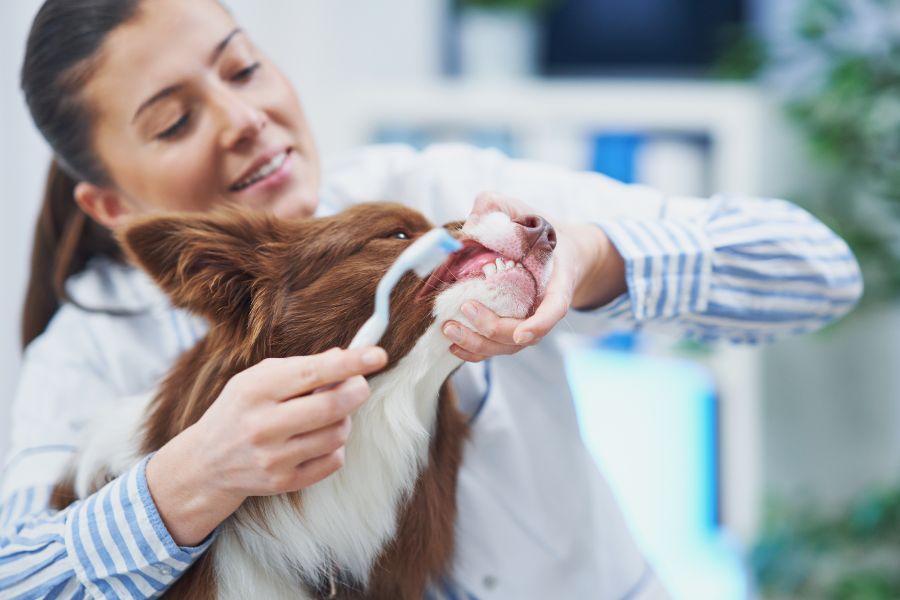



Every dog parent knows that brushing is essential, but sometimes brushing isn’t enough. If you notice yellow or brown buildup that brushing can’t remove, this means tartar has hardened. At this stage, no amount of scrubbing at home will help. Professional teeth cleaning becomes necessary.
Another big red flag is persistent bad breath. While “dog breath” is normal, a foul odor that doesn’t go away often signals bacterial infection. Ignoring it can allow the problem to spread beneath the gums, putting your pet at risk for painful infections.
Gum Warnings: The Silent Red Flags
Healthy gums should look firm and pink. If you see redness, swelling, or bleeding, it’s a clear sign of gum disease. Gingivitis, when untreated, can progress into periodontitis, which damages tissues and leads to loose teeth.
Other signs include pawing at the mouth, drooling more than usual, or refusing food because chewing hurts. If your pup shows these behaviors, it’s time to book a visit to pet dentistry Southampton before the problem worsens.
Brush Like a Champ: Mastering At-Home Care
Daily brushing is your best defense against plaque and gum disease. If daily isn’t possible, aim for at least three to four times a week. Always use toothpaste made for dogs—human toothpaste contains ingredients that are toxic to pets.
Start slowly by letting your dog sniff and lick the toothpaste to build trust. Use a finger brush or a soft-bristled pet toothbrush to gently scrub the outer teeth surfaces. Focus on the back teeth since plaque tends to collect there. Consistency helps reduce plaque, prevent tartar buildup, and maintain fresh breath.
Beyond the Brush: Dental Chews and Toys
Dental chews and toys can work wonders in supporting oral care. They help scrape away soft plaque while satisfying your dog’s natural urge to chew. However, it’s important to remember that these are supplements, not replacements, for brushing.
Think of dental chews like flossing for humans—they support oral health but cannot replace a full cleaning. For long-term results, combine them with regular brushing and professional checkups.
When Professional Teeth Cleaning Is a Must
Even with great home care, tartar can sneak below the gumline. This is where professional cleaning comes in. Veterinarians perform a deep cleaning under anesthesia, scaling away plaque and tartar both above and below the gumline. This process also allows the vet to check for hidden issues like loose teeth or oral tumors.
Most dogs benefit from yearly professional cleanings. However, some breeds—like smaller dogs with crowded teeth—may need cleanings every six months. Early action helps prevent oral bacteria from spreading to organs like the heart, kidneys, and liver. If you notice loose teeth, bleeding gums, or changes in eating behavior, it’s time to schedule an appointment with pet dentistry Southampton.
Keeping Your Dog’s Smile Bright
Your dog’s dental care is a shared responsibility between home routines and veterinary expertise. Regular brushing, dental chews, and scheduled exams work together to create a strong foundation for oral health.
Keep in mind that every dog is unique. Age, breed, and diet all influence dental needs. Smaller breeds often need more attention, while larger breeds may show problems later in life. Staying proactive with checkups ensures dental issues are caught early, saving your furry friend from pain and preventing costly treatments.
FAQs
1. How often should I brush my dog’s teeth?
Ans. Daily brushing is ideal, but brushing at least three to four times weekly still makes a big difference.
2. Can I use human toothpaste for my dog?
Ans. No. Human toothpaste contains fluoride and xylitol, which are toxic to dogs. Always use vet-approved dog toothpaste.
3. What does professional teeth cleaning involve?
Ans. It includes scaling and polishing under anesthesia to remove tartar both above and below the gumline. The vet also checks for hidden oral health issues.
4. How do I know if my dog has dental disease?
Ans. Watch for bad breath, swollen or bleeding gums, yellow or brown buildup, drooling, pawing at the mouth, or difficulty eating.
5. Do dental chews replace brushing?
Ans. No. Dental chews help but do not replace brushing or professional cleanings. They’re best used as part of a complete dental care plan.
6. How can pet dentistry Southampton help?
Ans. A dedicated veterinary dental clinic can provide professional cleanings, detect issues early, and offer personalized care for your dog’s unique needs.
Taking charge of your dog’s dental health means balancing home care with professional support. By brushing regularly, using dental chews, and knowing the signs of trouble, you ensure your pup enjoys a healthier, happier life. For expert guidance, reach out to pet dentistry Southampton and give your furry friend the smile they deserve.