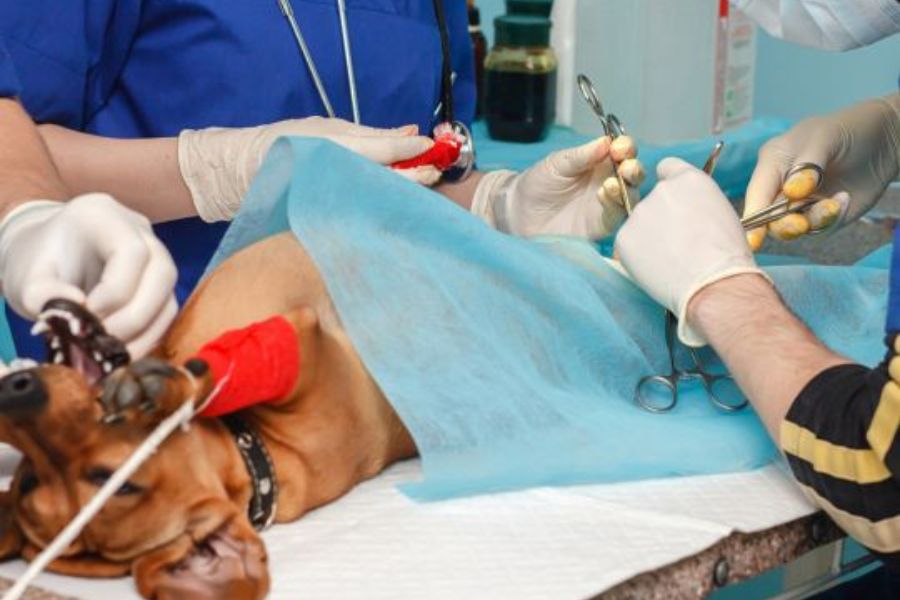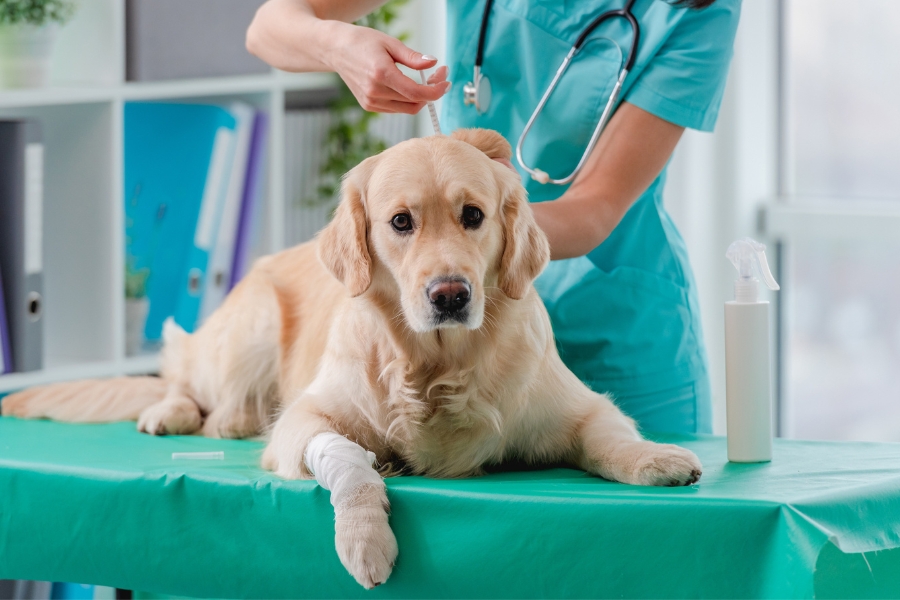


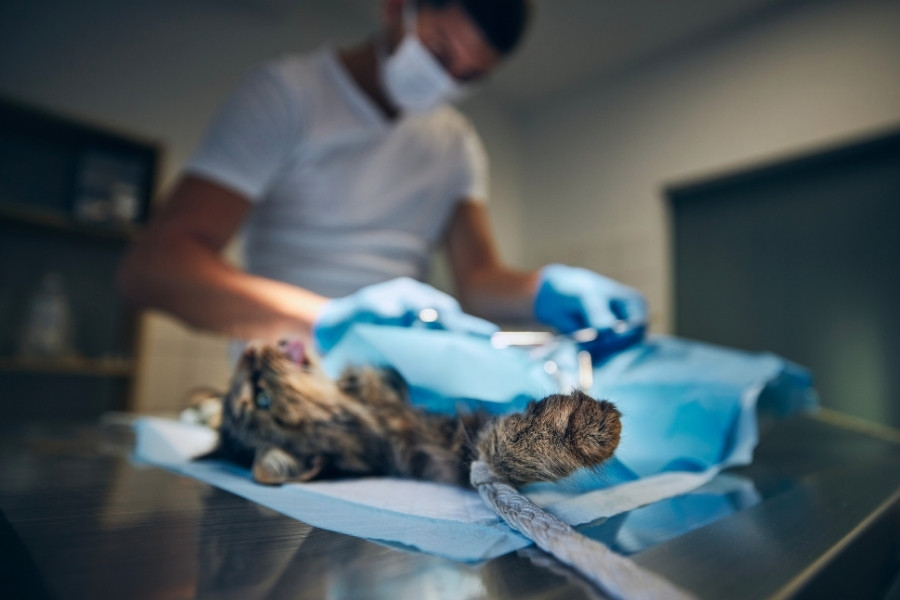
Pet owners often face a heart-wrenching dilemma when their loyal companion grows older and needs surgery. The question arises: Is veterinary surgery safe for older pets? In truth, age by itself is not the only factor that determines surgical safety. Let’s unravel the myths and explore the real story—for your beloved senior pet’s wellbeing.
Debunking the Age Myth: Not All Seniors Are the Same
Many people worry that senior pets simply cannot handle anesthesia or surgical stress. However, veterinarians agree that general health, not just age, is what truly matters. Like people, some pets remain spry and healthy into their golden years, while others develop health issues at a younger age.
Key Takeaway
- Each pet should be assessed individually.
- A thorough health evaluation, including lab work and diagnostic tests, helps vets determine the real risks and benefits.
The Benefits of Surgery: Quality of Life Over Numbers
When considering surgery, always weigh the risk against the potential gain. Does the procedure promise relief, comfort, or extended life? In many cases, surgery may address painful conditions—such as tumors, dental disease, or injury—that would otherwise diminish your pet’s quality of life.
Real-World Choice
- For example, many cats regain energy and joy after mass removals.
- Senior dogs with joint problems can walk pain-free post-surgery.
How Vets Make Surgery Work for Older Pets
Veterinary medicine has come a long way! Procedures, anesthesia, and pain management have advanced significantly. As a result, veterinarians can tailor surgical protocols specifically for older pets.
What Experts Do
- Pre-surgical screenings: Blood tests, X-rays, and ECGs spot hidden problems.
- Gentle anesthesia: Newer drugs allow for smoother, safer recoveries.
- Monitoring: Vets track heart rate, oxygen levels, and breathing throughout surgery.
- Pain control: Multimodal pain management prevents discomfort before it starts.
If you are searching for pet surgery Southampton clinics, you’ll find experienced teams ready to customize care for aging pets.
Special Considerations: Communication is Everything
Open conversation with your veterinarian is key to a good surgical outcome. Don’t hesitate to ask detailed questions and voice your concerns. Your vet should explain the procedure, discuss monitoring plans, and outline aftercare.
Transition to Peace of Mind
- Prepare a recovery area at home—quiet, warm, and comfortable.
- Follow all medication and diet recommendations strictly.
The Recovery Road: What to Expect After Surgery
Older pets may take a bit longer to bounce back after an operation. Still, most regain strength with a gentle approach and tender loving care.
Top Tips for Recovery
- Keep a close eye on your pet for unusual symptoms like excessive sleepiness, poor appetite, or labored breathing.
- Use ramps instead of stairs for arthritic pets.
- Spoil your friend with extra affection and gentle praise—they’ve earned it!
If you have concerns about post-op complications, don’t wait—contact your pet surgery provider quickly for reassurance.
Frequently Asked Questions
1. Is anesthesia safe for senior pets?
With modern drugs and monitoring, anesthesia is generally safe when tailored for your pet’s health profile.
2. How can I prepare my senior pet for surgery?
Ensure all tests are complete, follow fasting instructions, and provide a calm environment pre- and post-surgery.
3. What types of surgery do older pets commonly need?
Common procedures include dental cleanings, tumor removals, and orthopedic repairs.
4. Will my older pet recover more slowly than a younger one?
Seniors may take longer to heal, but attentive at-home care and regular check-ins help ensure a smooth recovery.
5. How do I recognize complications during recovery?
Watch for discomfort, swelling, lethargy, poor appetite, or any unusual behavior and notify your vet immediately.
6. How do I find a reputable pet surgery Southampton clinic for older animals?
Seek veterinary hospitals with board-certified surgeons, positive reviews, advanced equipment, and good communication.
Age should never stand in the way of comfort and happiness. Thanks to modern veterinary medicine, pet surgery Southampton professionals can offer hope and healing to senior pets—making those golden years shine even brighter. Trust your instincts, lean on expert advice, and always put your pet’s wellbeing at the center of every decision.