


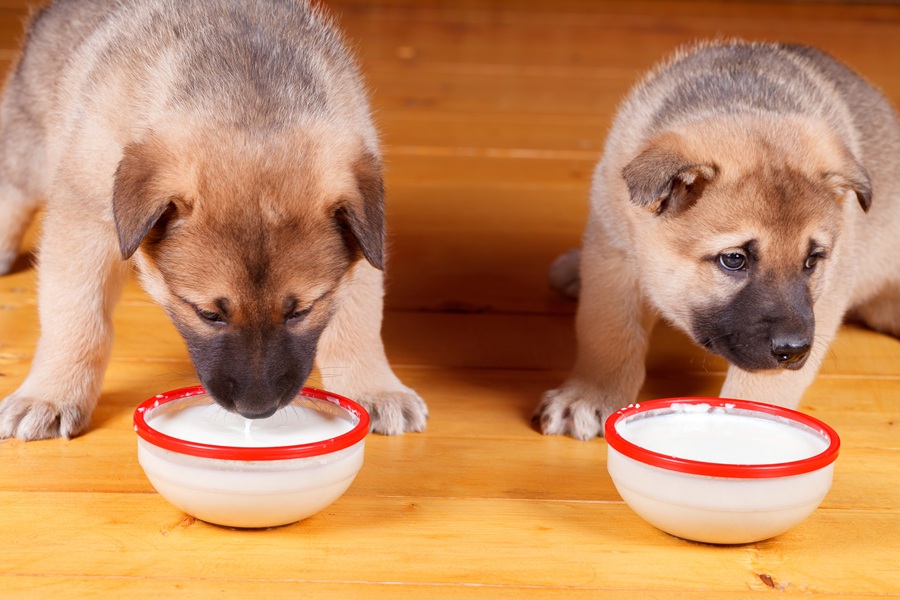
Bringing a new puppy home is a wonderful adventure filled with love and learning. One of the biggest responsibilities you have as a pet parent is ensuring your puppy eats the right foods for healthy growth. Since puppies have delicate digestive systems and special nutritional needs, it’s important to understand what foods are safe and which to avoid.
This guide, backed by advice from experienced professionals in puppy & kitten care Southampton and your trusted Southampton vet, will help you navigate feeding your new puppy with confidence.
1. Puppy-Specific Commercial Foods: The Gold Standard
The best place to start feeding your puppy is with high-quality commercial puppy food. These products are specially formulated to provide balanced nutrients, including proteins, fats, vitamins, and minerals crucial for development.
Look for puppy foods that meet the AAFCO (Association of American Feed Control Officials) guidelines, indicating they meet nutritional adequacy. Your vets in Southampton can recommend trusted brands suited to your breed and size of puppy.
2. Safe Human Foods to Supplement Your Puppy’s Diet
While commercial puppy food should form the foundation of your puppy’s diet, some safe human foods can be offered as occasional treats and supplements:
- Cooked lean meats like chicken, turkey, or beef (without seasoning or bones)
- Plain cooked eggs for extra protein
- Vegetables such as carrots, green beans, or pumpkin, which aid digestion
- Cooked rice or pasta in small amounts for energy boost
Remember to introduce any new food gradually to avoid upsetting your puppy’s stomach.
3. Foods to Avoid: Harmful and Toxic Options
Several human foods, surprisingly, are dangerous for puppies and can cause serious health issues. Always keep the following strictly off limits:
- Chocolate and caffeine – toxic and potentially fatal
- Grapes and raisins – can cause kidney failure
- Onions and garlic – harmful to red blood cells
- Alcohol and caffeine – toxic to dogs
- Xylitol (a sugar substitute in gums and candies) – causes rapid insulin release and liver failure
- Raw bones or fatty scraps – can cause choking, pancreatitis, or digestive blockages
When in doubt, consult your vet Southampton before offering anything new.
4. The Role of Hydration and Fresh Water
Never underestimate the importance of fresh, clean water. Puppies are more prone to dehydration than adults, especially during play or warm weather. Ensure your puppy always has access to water to support digestion and overall health.
Water is the best “drink” for dogs; avoid juices, milk, or sodas, which may upset their stomach or add unnecessary sugars.
5. Feeding Schedule: How Often and How Much?
Proper feeding schedules help maintain your puppy’s energy levels while avoiding overeating or undernourishment. Puppies generally do best with:
- 3 to 4 small meals per day until about six months of age
- Transitioning to 2 meals per day as they grow older
Your puppy & kitten care Southampton professionals and vet can provide portion guidelines based on your puppy’s breed, size, and activity level.
6. Monitoring Your Puppy’s Response to Food
After introducing a new food or treat, watch for signs of good digestion such as normal stool consistency, healthy skin, and overall energy. If you notice vomiting, diarrhea, excessive scratching, or lethargy, contact your vet promptly.
Regular checkups with your vet Southampton make it easier to catch nutritional issues early and make adjustments tailored to your puppy’s evolving needs.
FAQs About Safe Foods for Puppies
Q1. Can I feed my puppy homemade food instead of commercial food?
Ans. Yes, but homemade diets must be balanced and complete. Consult your vet to prepare nutritious recipes that meet all puppy requirements.
Q2. Are fruits safe for puppies?
Ans. Some fruits like apples (without seeds), blueberries, and bananas are safe in moderation. Avoid grapes and raisins altogether.
Q3. Can puppies eat dairy products?
Ans. Many puppies are lactose intolerant, so dairy can cause upset stomachs. If giving dairy, start with small amounts and monitor for tolerance.
Q4. What’s the best protein source for puppies?
Ans. High-quality meats like chicken, beef, or fish are ideal protein sources and essential for growth.
Q5. Should I give my puppy vitamin supplements?
Ans. Usually not necessary with a balanced diet. However, your vet may recommend supplements if specific deficiencies are identified.
Q6. How do I transition my puppy to solid food?
Ans. Start by mixing puppy food with water or puppy formula to make a soft gruel, gradually reducing liquid over a few weeks.
Conclusion:
Feeding your puppy safe, nutritious food is foundational to their happiness and health. Commercial puppy foods remain the safest choice, but certain plain human foods can complement their diet if introduced thoughtfully.
By partnering with experts in puppy & kitten care Southampton and consulting your vet Southampton, you give your puppy the best start possible. Remember—balanced nutrition combined with plenty of water, routine vet visits, and lots of love ensures your puppy grows into a healthy, joyful dog.