


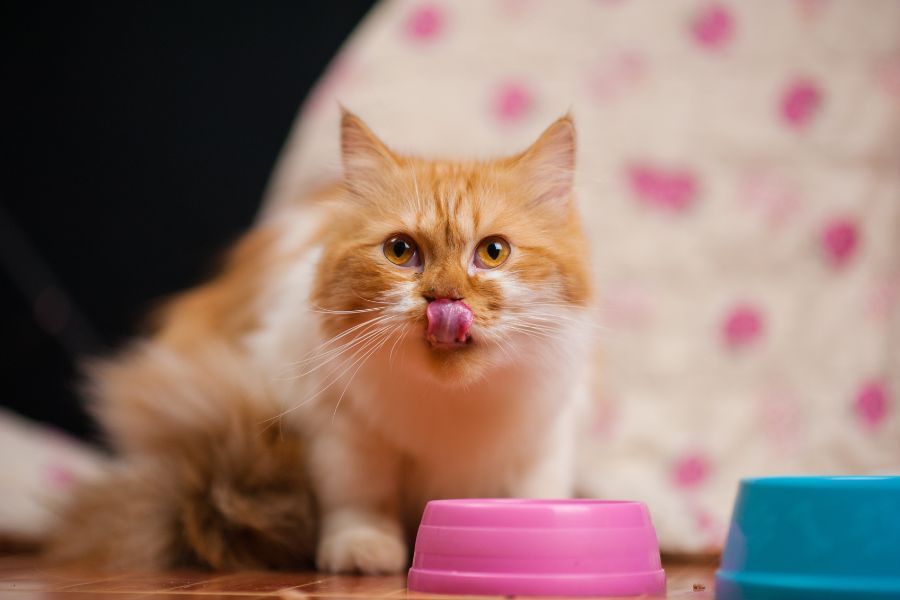
Bringing home a kitten is exciting, but it can quickly become stressful if your new furry friend has a sensitive stomach. Vomiting, loose stools, gas, or a lack of appetite are common signs that your kitten’s digestive system needs extra care. The good news is that with the right feeding approach, most kittens with sensitive tummies can grow into healthy, happy cats. Feeding your kitten the right way supports strong bones, healthy muscles, brain development, and a stable digestive system. Here’s a complete guide to help you confidently feed a kitten with a sensitive stomach
Why Do Some Kittens Have Sensitive Stomachs?
Kittens have delicate digestive systems, especially during the first few months of life. Several factors can contribute to tummy troubles:
- Sudden diet changes
- Intestinal parasites
- Food intolerance or allergies
- Stress from moving to a new home
- Eating too quickly
- Low-quality food ingredients
Because kittens grow rapidly, even minor digestive upset can affect their overall health. That’s why proper puppy and kitten care starts with balanced nutrition and a consistent feeding routine.
Signs Your Kitten Has a Sensitive Tummy
Watch for these symptoms:
- Soft stools or diarrhea
- Vomiting after meals
- Excessive gas
- Poor weight gain
- Lethargy
- Refusal to eat
If symptoms persist longer than 24–48 hours, it’s important to contact a veterinary clinic near me for evaluation. Early care can prevent dehydration and other complications.
Step 1: Choose the Right Kitten Food
The foundation of feeding a sensitive kitten is selecting high-quality, easily digestible food.
Look for These Features:
- Real animal protein as the first ingredient
- Limited ingredient formulas
- No artificial colors or preservatives
- Balanced omega-3 and omega-6 fatty acids
- Probiotics for gut health
Wet food is often easier to digest than dry kibble. Many kittens with sensitive stomachs do well on canned kitten food because it contains more moisture and is gentler on digestion.
If you’re unsure which brand to choose, a veterinarian can recommend prescription or sensitive-stomach formulas tailored to your kitten’s needs.
Step 2: Feed Small, Frequent Meals
A kitten’s stomach is tiny. Large meals can overwhelm their digestive system.
Ideal Feeding Schedule:
- 8–12 weeks old: 4 small meals per day
- 3–6 months old: 3 meals per day
- 6+ months old: 2–3 meals per day
Smaller portions reduce strain on the digestive system and help prevent vomiting. Always measure food portions according to your kitten’s weight and your veterinarian’s recommendations.
Step 3: Avoid Sudden Food Changes
Switching food too quickly is one of the most common causes of digestive upset.
If you need to transition foods:
Follow a 7–10 Day Gradual Transition Plan:
- Day 1–2: 75% old food, 25% new food
- Day 3–4: 50% old food, 50% new food
- Day 5–6: 25% old food, 75% new food
- Day 7+: 100% new food
This slow transition allows your kitten’s digestive system to adjust without shock.
Step 4: Monitor Treats Carefully
Treats can irritate a sensitive stomach, especially if they contain fillers or dairy.
Tips for treats:
- Choose kitten-specific treats
- Offer only a few pieces per day
- Avoid table scraps
- Skip cow’s milk (many kittens are lactose intolerant)
Treats should make up no more than 10% of your kitten’s daily calories.
Step 5: Keep Fresh Water Available
Hydration is essential, especially if your kitten has loose stools. Dehydration can happen quickly in young cats.
Encourage water intake by:
- Providing clean, fresh water daily
- Using a cat water fountain
- Offering wet food to increase moisture intake
If your kitten shows signs of dehydration (dry gums, lethargy, sunken eyes), seek care from a veterinary clinic near me immediately.
Step 6: Reduce Stress During Mealtime
Stress affects digestion more than many pet owners realize.
To create a calm feeding environment:
- Feed in a quiet space
- Keep other pets away during meals
- Stick to a consistent feeding schedule
- Avoid loud noises
Kittens feel safest when they know what to expect. Routine is key in proper puppy and kitten care.
Step 7: Consider Probiotics
Probiotics can help balance gut bacteria and improve stool consistency. Many kitten foods now include probiotics, but your veterinarian may recommend additional supplements if digestive issues continue. Never give human probiotics without veterinary approval.
When to Visit a Veterinary Clinic
Occasional mild digestive upset can happen. However, contact a veterinary clinic near me if your kitten experiences:
- Diarrhea lasting more than 48 hours
- Blood in stool
- Repeated vomiting
- Weight loss
- Severe lethargy
- Refusal to eat
Kittens can deteriorate quickly, so prompt veterinary care is essential. At Olde Towne Animal Hospital in Southampton, NY, our team provides expert puppy and kitten care, including nutritional guidance tailored to sensitive digestive systems. Early support can prevent chronic digestive issues later in life.
Common Food Sensitivities in Kittens
Some kittens react to specific ingredients.
Common Triggers:
- Dairy products
- Beef
- Fish
- Artificial additives
- Corn and wheat
If food allergies are suspected, your veterinarian may recommend an elimination diet to identify the trigger safely.
Homemade Diets: Are They Safe?
While some owners consider homemade diets, they must be carefully balanced. Kittens require precise levels of calcium, taurine, protein, and essential vitamins.
Improperly balanced homemade meals can lead to serious health problems, including bone deformities and heart issues. Always consult a veterinarian before preparing homemade food.
Tracking Your Kitten’s Digestive Health
Keeping a simple journal can help identify patterns.
Record:
- Food brand and flavor
- Feeding times
- Stool consistency
- Vomiting episodes
- Energy levels
This information is extremely helpful when visiting a veterinary clinic near me for evaluation.
Growth and Nutrition Go Hand in Hand
The first year of life is critical. Proper feeding supports:
- Brain development
- Immune system strength
- Bone growth
- Muscle development
- Healthy coat and skin
Digestive health is the foundation for all of these milestones. Addressing sensitive tummy issues early ensures your kitten stays on track.
Supporting Long-Term Digestive Health
Once your kitten stabilizes:
- Maintain consistent feeding routines
- Avoid frequent food changes
- Schedule regular wellness exams
- Stay up to date on deworming
Routine checkups at Olde Towne Animal Hospital in Southampton, NY, help monitor growth, weight gain, and digestive health throughout your kitten’s development. Our focus on comprehensive puppy and kitten care ensures young pets receive the right start in life with nutrition, vaccinations, and preventive care tailored to their needs.
FAQs
1. How do I know if my kitten’s food is causing stomach upset?
Ans: If vomiting or diarrhea begins shortly after introducing a new food, the diet may be the cause. Gradually transitioning foods and consulting a veterinary clinic near me can help determine the issue.
2. Should I feed wet or dry food to a kitten with a sensitive stomach?
Ans: Wet food is often easier to digest and provides added hydration. However, some kittens tolerate high-quality dry food well. A veterinarian can help you choose the best option.
3. How long does it take for a kitten’s stomach to adjust to new food?
Ans: Most kittens adjust within 7–10 days when food is introduced gradually. Sudden changes may prolong digestive upset.
4. Can stress cause diarrhea in kittens?
Ans: Yes, moving to a new home, loud environments, or new pets can trigger digestive upset. Maintaining a calm feeding routine supports proper puppy and kitten care.
5. Are probiotics safe for kittens?
Ans: Yes, but only veterinarian-approved probiotics should be used. They can help restore healthy gut bacteria and improve digestion.
6. When should I worry about my kitten’s diarrhea?
Ans: Seek care from a veterinary clinic near me if diarrhea lasts more than 48 hours, contains blood, or is accompanied by lethargy or vomiting.
