

Dental hygiene isn’t just for humans. Dogs also suffer from plaque, tartar buildup, gum infections, and bad breath. However, many pet parents worry about putting their dogs under anesthesia for dental cleanings. The good news? Yes, there are ways to clean a dog’s teeth without anesthesia—though they come with pros and cons.
Let’s explore the effectiveness, safety, and limitations of anesthesia-free dental cleanings, and how you can maintain your dog’s oral health at home with professional support.
What Is Anesthesia-Free Dog Teeth Cleaning?
Understanding the Method
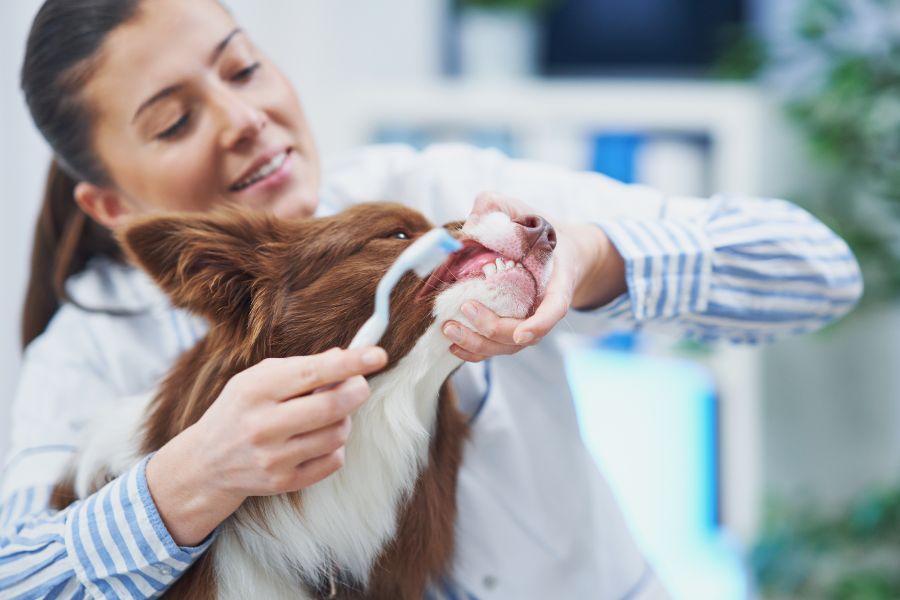
Anesthesia-free dental cleaning, also called non-anesthetic dentistry (NAD), is a technique used to remove visible plaque and tartar while your dog is awake. Trained professionals gently restrain your pet and use manual dental tools to clean the surface of the teeth. However, these cleanings only target areas above the gumline—unlike anesthetic procedures, which allow for deep cleaning below the gumline.
When It Might Work
This method is ideal for dogs who are calm, used to being handled, and have mild tartar. It’s also a useful option for pets who can’t undergo anesthesia due to age or underlying health conditions.
Pros and Cons of Anesthesia-Free Cleanings
Pros:
- Safer for senior dogs or pets with medical risks
- No recovery time needed
- Less costly than anesthesia-based procedures
- Can help maintain hygiene between full dental cleanings
Cons:
- Only surface-level cleaning—no subgingival treatment
- Can miss early signs of periodontal disease
- Not recommended for dogs with moderate to severe dental issues
- Potential stress for pets that dislike restraint
It’s important to consult a vet who provides care for pet dentistry in Southampton, NY to determine if your dog is a good candidate.
What Vets Want You to Know About At-Home Care
Even the best professional cleanings can’t replace regular at-home care. With consistent efforts, you can greatly reduce the need for frequent dental procedures. Here are easy ways to keep your dog’s teeth clean:
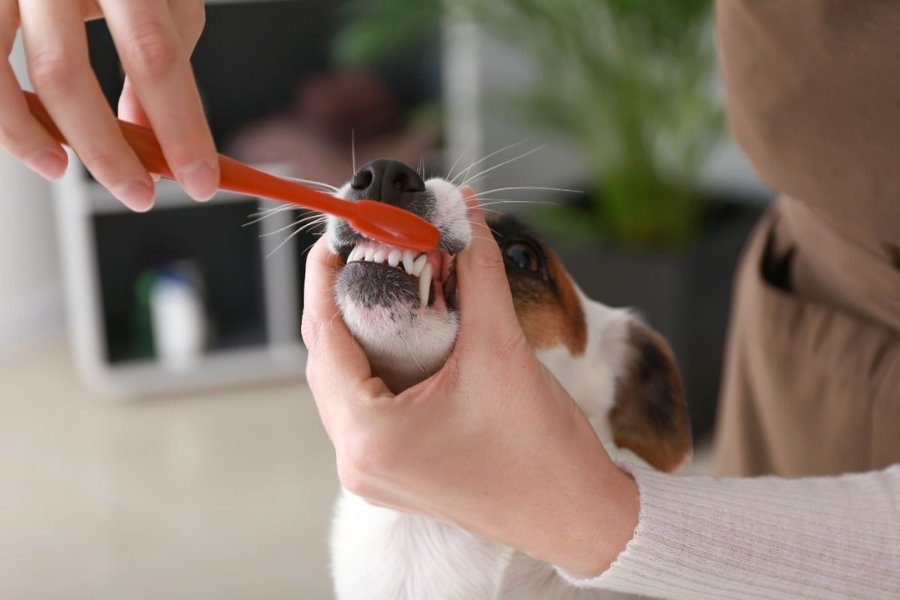
- Daily tooth brushing with dog-specific toothpaste
- Dental chews designed to reduce tartar
- Water additives that fight bacteria in the mouth
- Chew toys that help scrape plaque from teeth
Transitioning your dog to a dental care routine may take time, but patience pays off in long-term oral health.
When Is Anesthesia Necessary? Don’t Skip It When It’s Needed
While anesthesia-free cleanings can help in certain situations, they aren’t a substitute for comprehensive dental exams and deep cleanings under anesthesia. These procedures allow veterinarians to:
- Clean beneath the gumline
- Take X-rays to assess tooth root health
- Extract damaged or infected teeth
- Treat periodontal disease effectively
Ignoring dental problems below the gumline can lead to severe pain, infections, and even damage to vital organs. If your vet recommends anesthesia-based treatment, it’s often because deeper care is essential.
Trusted Dental Evaluations in Southampton, NY
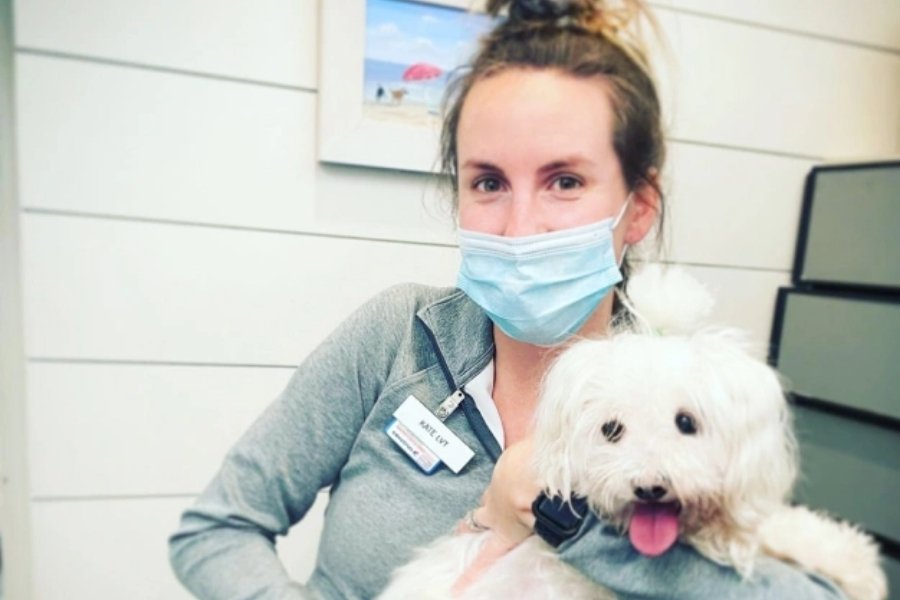
Choosing the right provider for your pet’s dental needs makes a big difference. With high-quality pet dentistry in Southampton, NY, you’ll find dedicated professionals who offer personalized dental plans, thorough cleanings (both with and without anesthesia), and helpful tips for at-home care.
The veterinary teams in Southampton take the time to assess your dog’s comfort level, dental history, and overall health before recommending the best course of action. If anesthesia-free cleaning is suitable, they’ll guide you through the process. If a deeper cleaning is necessary, they’ll explain every step so you can make an informed decision.
Make Dental Health a Daily Habit
Dental care isn’t a one-time thing—it’s a lifestyle. Building a daily oral care routine helps your dog stay pain-free, energetic, and happy. Just like humans brush their teeth twice a day, dogs benefit from a consistent plan. The earlier you start, the easier it is to maintain clean teeth without frequent professional intervention.
Combine at-home habits with professional cleanings to keep your furry friend’s smile healthy for years to come.
Frequently Asked Questions
1. Is anesthesia-free dog teeth cleaning safe?
It can be safe for some dogs, especially those with mild plaque and good behavior during restraint. However, it’s not effective for treating deeper dental issues.
2. Can I clean my dog’s teeth myself at home?
Yes! Use dog-specific toothbrushes and toothpaste, along with dental chews and oral rinses. Daily brushing is best.
3. How do I know if my dog needs a dental cleaning?
Look for signs like bad breath, drooling, yellow or brown buildup on teeth, and swollen or bleeding gums.
4. Does anesthesia pose risks to older dogs?
While there is always some risk, modern veterinary anesthesia is very safe. Vets perform bloodwork beforehand to ensure it’s a safe choice.
5. How often should a dog get professional dental cleaning?
Most dogs need a professional cleaning every 6 to 12 months, depending on their age, breed, and dental health.
6. What’s the cost difference between anesthesia and non-anesthesia cleanings?
Non-anesthetic cleanings are typically less expensive, but they don’t address deeper problems. Anesthesia-based procedures cost more but provide comprehensive care.
If you’re looking for a way to clean your dog’s teeth without anesthesia, there are safe and effective options—but they come with limitations. For the best results, combine at-home care with professional cleanings from experts in pet dentistry in Southampton, NY. Whether your pet needs a light touch-up or a full dental exam, the right provider can guide you toward the best decision for your dog’s long-term health.