


Complete Pet Diagnostic Care in Southampton
Our Southampton veterinarians use diagnostic tests and tools in our in-house vet lab to accurately diagnose and treat your pet’s medical conditions.
In-House Laboratory
Sometimes a simple examination is not enough to catch underlying health concerns. With our laboratory services, Olde Towne Animal Hospital is able to take a deeper dive into your pet’s well-being. Lab work will help us better understand the animal’s immune system. These services will also help to identify infections and discover any problems with hydration or anemia.
Our state-of-the-art facility and knowledgeable staff allow us to perform these tests:
- Heartworm testing
- Blood chemistry panels
- Complete blood counts
- Urinalysis
Emergency situations may require further testing – which we can perform onsite. There’s no need to hop from clinic to clinic until you find the answers you’re looking for. Our comprehensive list of services will see you through to the root of your pet’s problem.
Of course, once the health concern has been diagnosed, our team will create a treatment plan that works for you and is tailored to your pet. Give us a call to get started.
Digital Radiography
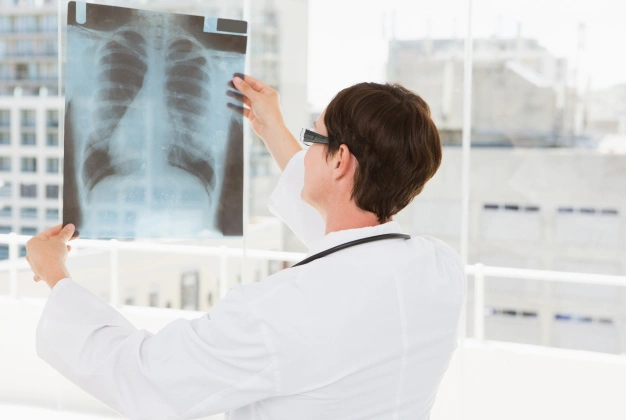
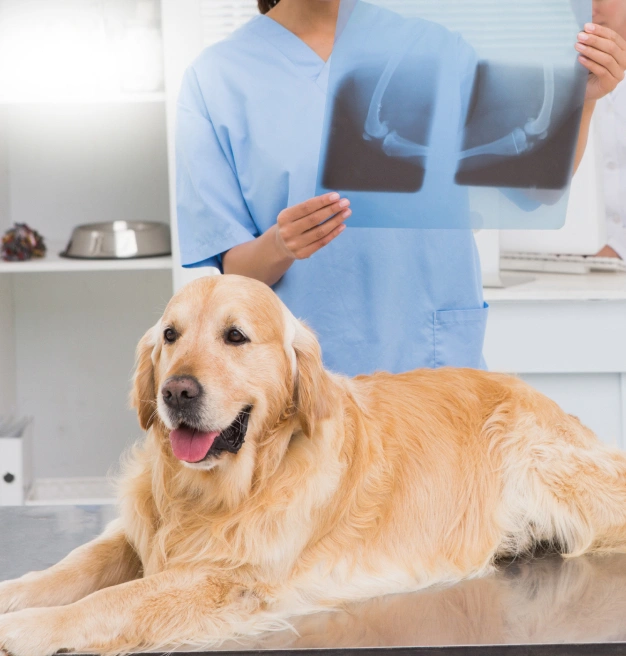
X-rays give us a closer look at an animal’s tissues, bones, blood vessels, and organs. This technology sends electromagnetic waves through an animal’s body. As these waves interact with the interior makeup of the animal, we obtain a visual picture of what is happening inside its body.
As a diagnostic procedure, X-rays are safe and non-invasive and a great way to better understand your pet’s health. The only requirement is that your pet remains motionless for a few moments. In most cases, sedation is not required.
This technology allows Olde Towne Animal Hospital to accurately diagnose a range of potential problems, such as:
- Broken or fractured bones
- Bone cancer
- Spinal injuries
- Enlarged heart
- Arthritis
- Dental decay
- Pneumonia
- Bone infections
If you think your pet could benefit from digital radiography, get in touch with the team at Olde Towne. We’ll locate any problems with your pet’s health and create a treatment plan to reduce pain and improve wellness.
Ultrasound
X-rays use light rays to create a static picture of an animal’s internal workings. Ultrasounds, on the other hand, use sonic rays to provide a moving image of what is going on. Both tests are helpful and give us a different look at your pet’s health. Often, we use ultrasounds when we suspect an animal is experiencing the following conditions:
- Pancreatitis
- Intestinal cancer
- Inflammatory bowel disease
- Abdominal tumors
- Cysts
- Heart conditions
- Bladder stones
Of course, the most common use of ultrasound technology is determining whether or not an animal is pregnant.
If your pet is anxious or unable to stand still for a few moments, we might need to administer sedation. Otherwise, the procedure is simple and straightforward. Most importantly, it’s non-invasive. In some cases, ultrasounds even help us to avoid unnecessary surgery.
To make an appointment for diagnostic imaging, give Olde Towne Animal Hospital a call.
Endoscopy
Frequent vomiting and diarrhea, unexplained weight loss, and chronic abdominal pain are all causes for concern. If you bring your pet in for one or more of these symptoms, we may recommend an endoscopic examination.
This procedure does require anesthesia but is minimally invasive. Your pet must fast for 12 hours leading up to the scope and take an oral medication to empty the bowels. Usually, the animal is able to return home shortly after the procedure.
When Olde Towne Animal Hospital performs an endoscopy, we look for these kinds of abnormalities:
- Scarring
- Narrowing of the intestinal tract
- Swelling or inflammation
We may also take biopsies of any abnormalities we find to perform further laboratory testing. These tests will help us identify the root of your pet’s discomfort. The diagnosis could be ulcers, tumors, bowel obstructions, or something else. Whatever the case may be, we will find the problem and treat it quickly so we can get your pet back to full health.
Echocardiograms
Heart disease is a fairly common ailment among dog and cat breeds. In fact, around 10% of dogs and 15% of cats experience heart problems. These ailments may stem from tumors, birth defects, or other diseases.
Not every animal clinic is capable of performing echocardiograms and diagnosing heart disease. At Olde Towne Animal Hospital, we have the technology and experience to see the problem through from start to finish, in house.
If we notice areas of concern from your pet’s X-ray or ultrasound results, we can immediately move forward with an echocardiogram. The procedure is noninvasive but will require our technicians to shave the skin above the heart. This will allow us to place a transducer on the area and gain a closer look at the workings of the heart.
From there, we may ask for a consult with Dr. Richard Reid DVM ACVIM, our ultrasound specialist or refer you to a cardiologist.
