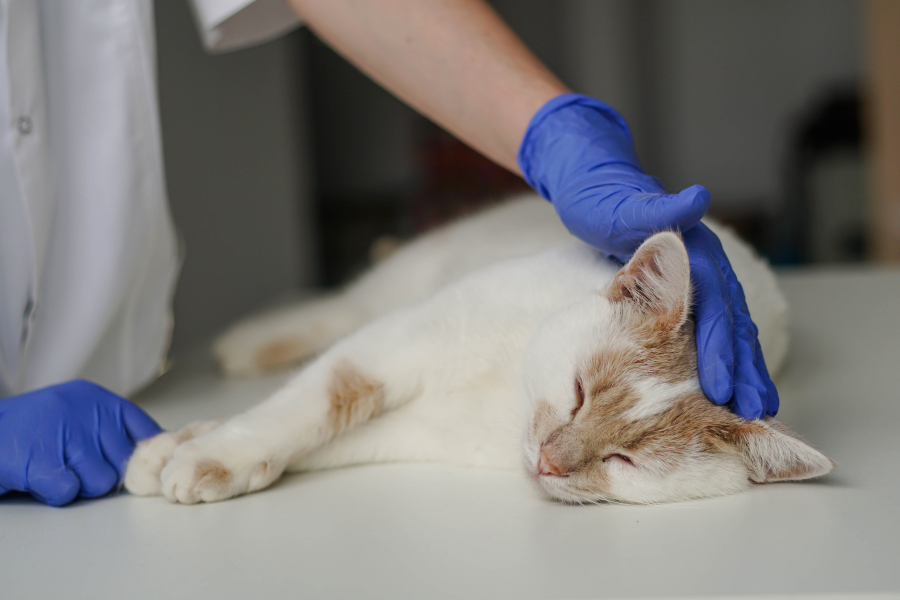
Cats are curious by nature, and even a small interaction with a household plant can put their health at risk. Lilies are especially dangerous because certain types can cause severe kidney damage in cats. A cat may chew a leaf, brush against pollen, or drink water from a vase without an owner noticing. The first signs may seem mild, but waiting for symptoms to become obvious can put your cat at greater risk. Knowing which lilies are dangerous, what exposure can look like, and what steps to take right away can make a critical difference. Here is what every cat owner should know about lily poisoning and how to respond.
Are Lilies Toxic to Cats, and How Dangerous Are They?
Yes. Certain lilies, including Easter lilies, tiger lilies, Asiatic lilies, and daylilies, can cause serious kidney damage in cats. Even a small exposure to the plant, its pollen, or water from a vase can be dangerous, so contact a veterinarian immediately if you suspect your cat has been exposed.
Not every plant with “lily” in its name causes the same type of poisoning. Peace lilies and calla lilies, for example, can irritate a cat’s mouth and digestive tract, but they are not associated with the same kidney damage caused by true lilies and daylilies. Because plant names can be confusing, do not try to determine safety based on the name alone.
Lilies can be dangerous in several ways:
- Chewing leaves or petals: Cats may bite a plant while exploring or playing.
- Licking pollen: Pollen can land on a cat’s fur and be swallowed during grooming.
- Drinking vase water: Water that has held a toxic lily may expose a cat to harmful substances.
- Contact with fallen plant pieces: A leaf or petal on the floor may attract a curious cat.
If you have lilies at home, the safest choice is to keep them out of your cat’s environment entirely. A high shelf may not be enough because cats can jump, climb, and reach fallen pollen.
What Are the Symptoms of Lily Poisoning in Cats?
Early symptoms of lily poisoning may include vomiting, reduced appetite, drooling, and unusual tiredness. These signs can appear within hours of exposure, while serious kidney problems may develop over the next day or two. A cat may initially seem to improve even as the risk of kidney damage continues.
Watch for changes such as:
- Vomiting or repeated retching
- Loss of appetite or refusal to eat
- Drooling or signs of mouth discomfort
- Hiding, weakness, or unusual sleepiness
- Changes in thirst or urination
- Little or no urine in later stages of kidney damage
The absence of symptoms does not mean your cat is safe. Some cats appear normal shortly after contact, which is why waiting to see whether signs develop can be risky.
Kidney damage can interfere with the body’s ability to remove waste and maintain fluid balance. As the condition worsens, a cat may become dehydrated, weak, and seriously ill. Prompt veterinary care offers the best chance of reducing the risk of severe complications.
If you notice any of these symptoms and lilies may be involved, seek veterinary guidance immediately. Do not wait for vomiting or changes in urination before acting.
What Should You Do If Your Cat Is Exposed to Lilies?
If your cat may have chewed a lily, licked pollen, or contacted lily vase water, contact a veterinarian immediately, even if your cat appears well. Early treatment can be important because the risk of kidney injury increases as time passes.
Take these steps while arranging veterinary care:
- Move your cat away from the plant. Prevent further contact with the leaves, flowers, pollen, or water.
- Remove visible plant material carefully. If you can safely do so, remove pieces from your cat’s mouth or fur without delaying veterinary care. Avoid spreading pollen while handling it.
- Call a veterinarian or animal poison-control service. Explain the possible exposure and follow their directions about where to go next.
- Bring a photo or sample of the plant. If it is safe to do so, take a clear picture or bring the plant in a secure container to help with identification.
- Do not try home treatments. Never induce vomiting or give home remedies, milk, oils, or medications unless a veterinary professional specifically directs you to do so.
Avoid waiting for an appointment the next day. A suspected lily exposure needs urgent assessment, even if the amount seems tiny.
How Do Vets Diagnose and Treat Lily Poisoning in Cats?
Veterinarians assess the possible exposure, examine the cat, and may run blood and urine tests to check kidney function and hydration. If lily poisoning is suspected, treatment may begin before test results confirm kidney injury because early action can help protect the cat.
Depending on the timing and severity of exposure, care may include:
- Decontamination: A veterinarian may recommend appropriate steps to reduce further absorption, based on the cat’s condition and the type of exposure.
- Intravenous fluids: Fluids given through a vein can help support hydration and kidney function.
- Blood and urine monitoring: Repeat testing helps the veterinary team look for changes in kidney values and urine production.
- Hospital observation: Some cats need close monitoring and supportive care for several days.
Hypothetical case example: A cat named Milo chews a fallen lily petal and later vomits once. His owner notices pollen on his fur and contacts a veterinarian rather than waiting for more symptoms. The veterinary team assesses the exposure, begins appropriate care, and monitors Milo’s kidney values and urine output to look for early changes.
The treatment plan depends on the suspected exposure, how much time has passed, and the cat’s test results. Even after the initial visit, follow-up testing may be needed because kidney changes can develop over time.
How Can You Prevent Lily Poisoning at Home?
The most reliable way to prevent lily poisoning is to keep dangerous lilies out of any home or space your cat can access. Placing a bouquet on a counter or in a closed room may not provide dependable protection if a door is left open or plant pieces fall to the floor.
A few practical habits can help reduce risk:
- Check flower arrangements before bringing them home.
- Ask the florist for the exact plant names, not just a general label.
- Choose cat-safe alternatives after confirming their identity with a reliable source.
- Clean up fallen petals and plant debris promptly.
- Keep cats away from bouquets brought in by visitors.
- Remove vase water where a toxic plant has been present.
- Contact a veterinarian if you are uncertain whether a plant is safe.
Remember that a cat may be exposed without eating a large piece of the plant. Pollen on the coat can be swallowed during normal grooming, so a bouquet does not need to look damaged for exposure to have occurred.
When Should You Contact a Veterinarian?
Contact a veterinarian immediately if you know or suspect that your cat has come into contact with a true lily or daylily. Do not wait for symptoms, even if the cat has only licked pollen or you are unsure whether any plant material was swallowed.
Seek urgent veterinary care if your cat develops vomiting, appetite loss, weakness, or changes in drinking or urination after possible plant exposure. Little or no urine can indicate a serious problem and requires immediate attention.
If the plant is unidentified, take a photograph and share it with the veterinary team. However, identifying the plant should not delay your call or your trip for care.
Cats with possible lily exposure may need blood tests, urine testing, fluids, and follow-up checks. Early assessment gives the veterinarian a better opportunity to act before severe kidney damage develops.
Keeping Your Cat Safe From Toxic Plants
Lilies can cause severe kidney damage in cats, and even a small exposure should be treated seriously. The most important steps are to recognize the risk, avoid home remedies, and seek veterinary advice without waiting for symptoms. Keeping dangerous lilies out of your home is the best way to prevent accidental poisoning.
If your cat may have been exposed, contact a veterinarian right away and share any details you have about the plant and timing. Olde Towne Animal Hospital in Southampton, NY, can help you understand the next steps for your cat’s care. When plant exposure is possible, quick action is safer than waiting to see what happens.
Frequently Asked Questions
Q1: Can a small amount of lily pollen hurt a cat?
A: Yes. Pollen from certain lilies can be dangerous if a cat licks it from the fur while grooming. If you suspect contact, call a veterinarian immediately, even if your cat appears normal.
Q2: How soon do symptoms of lily poisoning appear in cats?
A: Vomiting, reduced appetite, and tiredness may begin within hours, but serious kidney problems can develop later. Do not wait for symptoms before seeking help after suspected exposure.
Q3: Can a cat recover from lily poisoning?
A: Some cats can recover, especially when veterinary care begins promptly, but the outcome depends on the exposure and how much kidney injury has occurred. Delayed treatment can make recovery more difficult.
Q4: Should I make my cat vomit after eating a lily?
A: No. Do not induce vomiting or give home remedies unless a veterinary professional specifically instructs you to do so. Contact a veterinarian immediately for safe, case-specific guidance.
Q5: What should I do if I am unsure whether a flower is toxic to my cat?
A: Keep your cat away from the plant, take a photo, and ask a veterinarian to help identify it. Olde Towne Animal Hospital can help guide you on the next steps if you are concerned about a possible exposure.