

Some dogs seem to learn a new command after only a few repetitions, while others need more patience, consistency, and motivation. The difference is not simply about intelligence. The hardest and easiest dog breeds to train can vary based on breeding history, independence, energy level, motivation, and how well training fits the dog’s natural behavior. A breed that was developed to work closely with people may respond differently from one bred to make independent decisions. This guide compares breeds that are often easier or more challenging to train and explains what owners should know before bringing one home.
Which Dog Breeds Are Easiest and Hardest to Train?
Some breeds are generally easier to train because they tend to be responsive, motivated, and eager to work with people. Other breeds can be more challenging because they are independent, easily distracted, highly energetic, or bred to work without constant human direction. Breed tendencies can provide a useful starting point, but individual personality matters just as much.
Easier breeds often include:
- Border Collie
- Poodle
- Labrador Retriever
- Golden Retriever
- Papillon
More challenging breeds can include:
- Afghan Hound
- Basenji
- Chow Chow
- Beagle
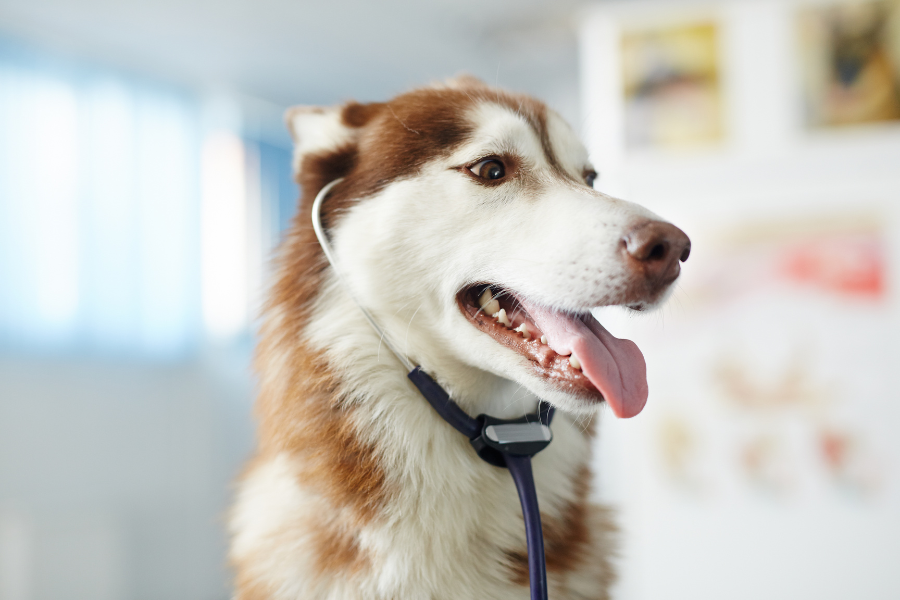
- Siberian Husky
Being considered “hard to train” does not mean a breed is unintelligent or badly behaved. It usually means the owner’s training approach needs to match the dog’s natural tendencies.
What Makes a Dog Easy to Train?
Trainability depends on more than how quickly a dog learns a command.
Factors that can make training easier include:
- Strong motivation for rewards
- Desire to interact with people
- Ability to stay focused
- Lower tendency to become distracted
- Good response to repetition
- Natural willingness to work
- Consistent behavior from the owner
A dog that loves food may respond well to treats. Another dog may be more motivated by toys, praise, or play. Finding the right reward can make training much easier.
5 Dog Breeds Often Considered Easier to Train
1. Border Collie
Training profile:
- Very intelligent
- Highly energetic
- Strong work drive
- Learns commands quickly
- Needs frequent mental stimulation
- Responds well to structured training
Border Collies were developed for demanding herding work, so they often enjoy having a job to do. Their intelligence can be an advantage, but it also means they may become bored when training is repetitive.
Best approach: Use short, challenging sessions and provide plenty of physical and mental activity.
2. Poodle
Training profile:
- Intelligent
- People-oriented
- Highly responsive
- Often motivated by rewards
- Enjoys learning new behaviors
- Can excel in advanced training
Poodles are often quick learners and can adapt well to different training activities.
Best approach: Keep sessions engaging and gradually introduce more challenging behaviors.
3. Labrador Retriever
Training profile:
- Social
- Food motivated
- Eager to interact
- Generally responsive
- Playful
- Can be energetic as a young dog
Labradors often enjoy working with their owners, which can make basic obedience easier.
Best approach: Combine treats, praise, play, and consistent boundaries.
4. Golden Retriever
Training profile:
- Friendly
- Cooperative
- People-oriented
- Often eager to please
- Responsive to positive reinforcement
- Enjoys interactive training
Golden Retrievers are often a good fit for families who want a trainable companion.
Best approach: Use positive reinforcement and keep training sessions varied.
5. Papillon
Training profile:
- Small in size
- Alert
- Intelligent
- Active
- Responsive
- Often enjoys learning tricks
Do not assume that a small dog needs less training. Papillons can be energetic and mentally active.
Best approach: Use short sessions with treats, toys, and plenty of praise.
5 Dog Breeds That Can Be More Challenging to Train
1. Afghan Hound
Training profile:
- Independent
- Often strong-willed
- May have low interest in repetitive commands
- Can become distracted
- Needs patient training
- Responds best to respectful handling
Afghan Hounds are not unintelligent. Their independent nature can simply make traditional repetitive obedience training less appealing.
Best approach: Keep sessions short, rewarding, and interesting.
2. Basenji
Training profile:
- Independent
- Curious
- Energetic
- Intelligent
- Can become easily distracted
- May prefer doing things their own way
Basenjis can learn commands but may not always see a reason to repeat them.
Best approach: Use high-value rewards and make training feel like an engaging activity.
3. Chow Chow
Training profile:
- Independent
- Reserved
- Strong-willed
- Can be less motivated by repetition
- Needs early socialization
- Benefits from consistent boundaries
Chow Chows often respond best when owners establish predictable routines rather than relying on force.
Best approach: Use calm, consistent training and reward desirable behavior.
4. Beagle
Training profile:
- Curious
- Highly scent-driven
- Food motivated
- Easily distracted by smells
- Energetic
- Can be persistent
Beagles may know exactly what you are asking but become more interested in an interesting scent.
Best approach: Use strong rewards and practice commands in low-distraction environments before progressing outdoors.
5. Siberian Husky
Training profile:
- Intelligent
- Independent
- Energetic
- Curious
- Easily distracted
- Often enjoys exploring
Huskies can learn quickly but may become bored with repetitive exercises.
Best approach: Combine obedience training with physical activity and mental enrichment.
Is a Difficult-to-Train Dog Less Intelligent?
No. Trainability and intelligence are not the same thing.
A dog can be extremely intelligent but independent. Some breeds were specifically developed to make decisions without waiting for human instructions.
For example:
- A herding dog may constantly watch and respond to its owner.
- A scent hound may prefer following an interesting trail.
- A working breed may thrive when given a specific task.
- An independent hunting breed may be less interested in repeated commands.
Understanding what a breed was originally developed to do can help explain its training style.
How Can You Make Training Easier?
Regardless of breed, your approach can have a major effect on learning.
Helpful training habits include:
- Keep sessions short.
- Train in a quiet environment initially.
- Reward desired behaviors immediately.
- Use rewards your dog actually values.
- Practice consistently.
- Avoid overwhelming your dog.
- Gradually increase distractions.
- End sessions on a positive note.
- Avoid punishment-based methods.
- Give your dog enough exercise and enrichment.
Consistency matters more than having one long training session each week.
What Role Does Age Play in Training?
Dogs can learn throughout their lives, but early training can help establish useful habits.
Puppies have short attention spans, so training should be brief and engaging. Young adult dogs may have more stamina but can also have established habits that require changing.
Older dogs can learn new behaviors too.
Training should account for:
- Age
- Energy level
- Health
- Personality
- Previous training
- Motivation
- Environment
A dog that suddenly becomes difficult to train may also need a health assessment if the behavior change is unusual.
Hypothetical Example: Two Dogs, Two Training Styles
Imagine a family with a Labrador Retriever named Max and a Beagle named Scout. Max quickly responds to food rewards during basic obedience sessions, while Scout becomes distracted whenever an interesting scent appears in the yard.
The family adjusts their approach by practicing Scout’s commands indoors first and using especially valuable rewards outdoors. Over time, Scout becomes more reliable because the training environment and motivation better match his behavior.
The lesson is simple: training should be adapted to the individual dog rather than based only on breed expectations.
How Should You Choose a Dog Based on Trainability?
Trainability should be only one factor when choosing a breed.
Consider:
- Daily exercise needs
- Grooming requirements
- Size
- Energy level
- Social needs
- Living environment
- Typical temperament
- Time available for training
- Experience with dogs
- Mental stimulation needs
A highly trainable Border Collie may still be a poor fit for a family that cannot provide enough daily activity. Likewise, a more independent breed can be a wonderful companion for an owner who understands its needs.
Conclusion
The hardest and easiest dog breeds to train can vary because every dog is an individual. Border Collies, Poodles, Labrador Retrievers, Golden Retrievers, and Papillons are often considered highly trainable, while Afghan Hounds, Basenjis, Chow Chows, Beagles, and Siberian Huskies may require more patience or breed-specific strategies. However, a challenging breed is not necessarily less intelligent. Training success depends on motivation, consistency, environment, and understanding your dog’s natural behavior. If you are willing to adopt any breed, then contacting a veterinarian at Olde Towne Animal Hospital, Southampton, NY, can be a helpful resource as you support your dog’s health and development throughout every stage of life.
FAQs
Q1: What are the easiest dog breeds to train?
A: Border Collies, Poodles, Labrador Retrievers, Golden Retrievers, and Papillons are often considered highly trainable. Their responsiveness, motivation, and willingness to work with people can make training easier.
Q2: What are the hardest dog breeds to train?
A: Afghan Hounds, Basenjis, Chow Chows, Beagles, and Siberian Huskies can be more challenging because of traits such as independence, distractibility, or high energy. Individual personality still plays a major role.
Q3: Are difficult-to-train dogs less intelligent?
A: No. Trainability is different from intelligence. Some highly intelligent dogs are independent and may simply be less interested in repetitive commands.
Q4: How can I make training easier for my dog?
A: Keep sessions short, use rewards your dog values, practice consistently, reduce distractions initially, and gradually increase difficulty. Training should be positive, predictable, and appropriate for your dog’s personality.
Q5: Can an older dog still learn new commands?
A: Yes. Older dogs can continue learning throughout life. Training should account for their health, mobility, attention span, previous experiences, and motivation.