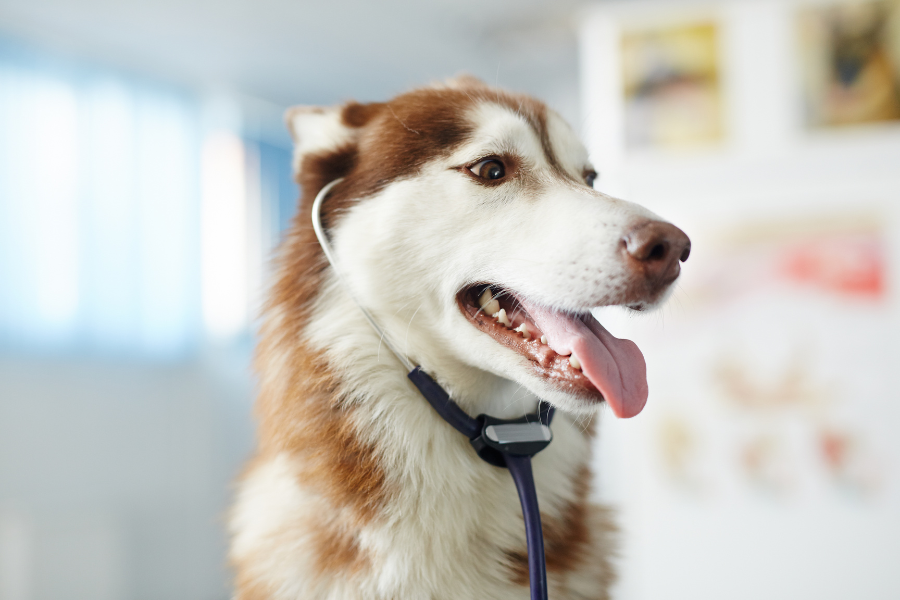



Many pet owners assume that if their dog or cat looks healthy, there is no need for a veterinary visit. However, routine wellness exams play a vital role in preventing disease, detecting health problems early, and helping pets enjoy longer, healthier lives. How often healthy adult dogs and cats really see the vet depends on factors such as age, lifestyle, breed, and overall health, but annual checkups are the minimum recommendation for most pets. In this guide, you’ll learn why regular veterinary visits matter, what happens during a wellness exam, when more frequent visits are necessary, and how preventive care can save both money and stress in the long run.
Why Regular Vet Visits Matter for Healthy Pets?
Many illnesses develop gradually and show few obvious signs until they become serious. Dogs and cats are also skilled at hiding discomfort, especially cats, making routine exams one of the best ways to identify problems early.
Regular veterinary visits help:
- Detect diseases before symptoms become severe
- Keep vaccinations up to date
- Monitor weight and nutrition
- Identify dental disease early
- Screen for parasites
- Evaluate behavior changes
- Discuss preventive care tailored to your pet
Preventive healthcare is often less expensive and less stressful than treating advanced medical conditions.
How Often Should Healthy Adult Dogs and Cats Really See the Vet?
For most healthy adult pets between one and seven years of age:
- Dogs: At least once every year
- Cats: At least once every year
These annual wellness exams allow veterinarians to compare your pet’s current health with previous records and identify subtle changes that may otherwise go unnoticed.
However, some pets benefit from visits every six months, including:
- Large and giant breed dogs
- Pets with chronic medical conditions
- Pets taking long-term medications
- Indoor-outdoor cats
- Highly active working or sporting dogs
- Pets with obesity concerns
Because animals age faster than humans, skipping several years between veterinary visits is similar to a person avoiding medical care for decades.
What Happens During a Wellness Exam?
A wellness examination is much more than checking weight and giving vaccines.
Your veterinarian may evaluate:
Physical Examination
The exam typically includes:
- Eyes and vision
- Ears
- Nose
- Mouth and teeth
- Skin and coat
- Heart and lungs
- Abdomen
- Joints and muscles
- Lymph nodes
- Body condition score
Even subtle abnormalities can provide clues to the underlying disease.
Vaccinations and Preventive Care
During annual visits, your veterinarian reviews vaccination needs based on:
- Age
- Lifestyle
- Travel
- Exposure to other animals
- Local disease risks
Preventive treatments may include:
- Flea prevention
- Tick prevention
- Heartworm prevention
- Intestinal parasite control
Your veterinarian can recommend a schedule that matches your pet’s specific risk factors.
Dental Health Should Never Be Ignored
Dental disease is one of the most common conditions affecting adult dogs and cats.
Signs include:
- Bad breath
- Difficulty chewing
- Dropping food
- Bleeding gums
- Loose teeth
- Pawing at the mouth
Routine exams allow veterinarians to identify dental problems before they lead to pain, infection, or tooth loss. Good dental care also supports overall heart and kidney health.
Why Bloodwork May Be Recommended
Even healthy-looking pets can develop hidden illnesses.
Routine screening tests may detect:
- Kidney disease
- Liver disease
- Diabetes
- Thyroid disorders
- Anemia
- Infection
Baseline bloodwork also provides valuable information for comparison if your pet becomes ill in the future.
Many veterinarians recommend periodic laboratory testing beginning in adulthood rather than waiting until symptoms appear.
Weight Monitoring Is More Important Than You Think
Obesity increases the risk of numerous health problems, including:
- Arthritis
- Diabetes
- Heart disease
- Respiratory issues
- Reduced lifespan
During wellness visits, veterinarians assess:
- Body condition score
- Muscle condition
- Diet
- Exercise habits
Small adjustments can significantly improve long-term health.
Cats Need Regular Vet Visits Too
Many cat owners visit the veterinarian less frequently than dog owners, especially for indoor cats. However, indoor cats can still develop:
- Kidney disease
- Dental disease
- Diabetes
- Obesity
- Arthritis
- Urinary problems
Cats naturally hide illness until the disease is advanced, making preventive examinations especially valuable.
Training cats to tolerate carriers and transportation can make annual visits less stressful.
When Should Healthy Pets See the Vet More Often
Annual visits are the minimum recommendation for healthy adults, but schedule an appointment sooner if you notice:
- Appetite changes
- Weight loss or gain
- Increased thirst
- Vomiting
- Diarrhea
- Limping
- Coughing
- Bad breath
- Skin lumps
- Behavioral changes
- Difficulty urinating
- Reduced activity
Early evaluation often leads to simpler and more effective treatment.
The Long-Term Benefits of Preventive Veterinary Care
Routine veterinary care offers benefits beyond treating illness:
- Longer lifespan
- Better quality of life
- Earlier disease detection
- Lower emergency medical costs
- Personalized nutrition guidance
- Better pain management
- Improved dental health
- Stronger relationship between the veterinarian and the pet owner
Preventive care helps keep pets comfortable and active throughout their lives.
Tips to Make Vet Visits Easier
You can reduce stress by:
- Using positive reinforcement before appointments.
- Bring favorite treats or toys.
- Getting your pet comfortable with handling at home.
- Keeping cats accustomed to their carriers.
- Scheduling appointments when your pet is typically calm.
- Bring a list of questions or observations.
A calm experience helps both pets and owners feel more confident about routine care.
Conclusion
When considering how often healthy adult dogs and cats really see the vet, the answer for most pets is at least once every year, with some benefiting from checkups every six months based on their age, breed, and lifestyle. Regular wellness exams help identify problems early, maintain preventive care, and support a longer, healthier life for your companion. For personalized guidance and comprehensive preventive care, schedule an appointment with Olde Towne Animal Hospital in Southampton, NY.
FAQs
Q1: How often should a healthy adult dog see the vet?
Most healthy adult dogs should have a wellness examination at least once a year. Some breeds or pets with specific health risks may benefit from visits every six months.
Q2: How often should an indoor cat visit the veterinarian?
Even indoor cats should see the vet annually because they can develop conditions such as kidney disease, obesity, dental disease, and diabetes without obvious symptoms.
Q3: Are yearly vet visits necessary if my pet seems healthy?
Yes. Many diseases develop silently, and annual exams allow veterinarians to detect problems before they become serious or expensive to treat.
Q4: What is included in a routine wellness exam for dogs and cats?
A wellness exam generally includes a full physical examination, weight assessment, vaccination review, parasite prevention discussion, dental evaluation, and recommendations for diagnostic testing if needed.
Q5: Can regular vet visits save money over time?
Yes. Preventive care and early detection often reduce the need for costly emergency treatments and help manage health conditions before they become severe.