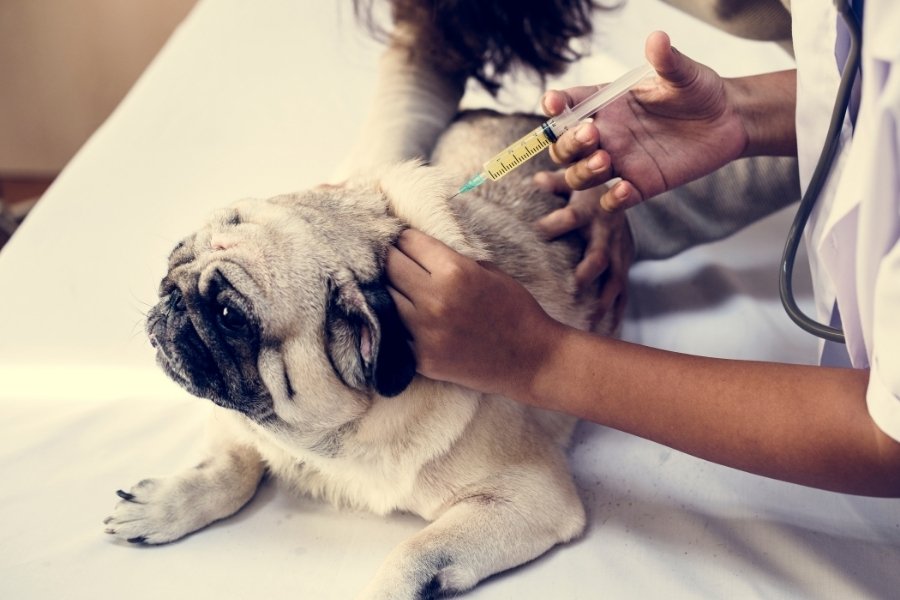


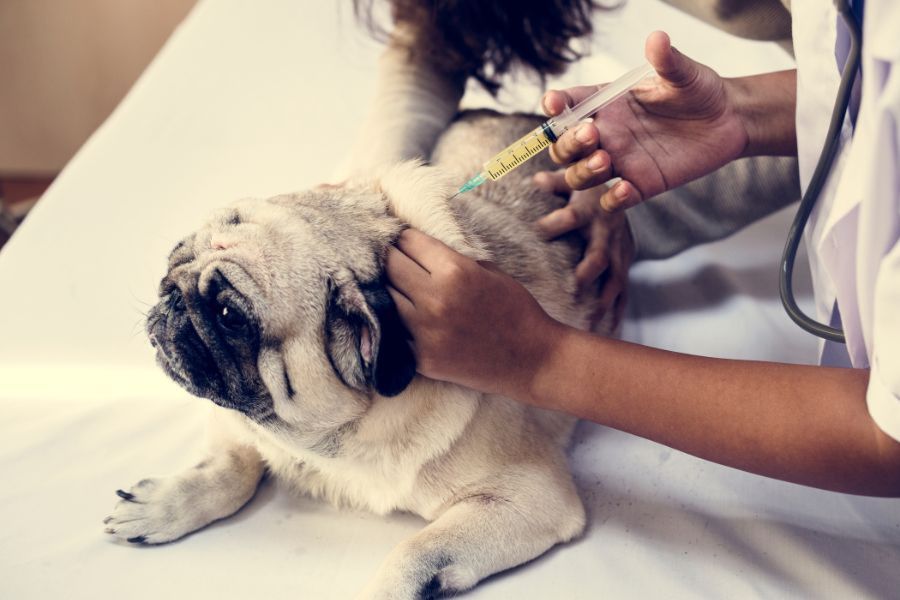
Keeping your pet protected starts with timely vaccinations, and the rabies vaccine is one of the most important. Rabies is a fatal disease that can affect pets, wildlife, and people, which is why vaccination is required in many areas. In this guide, you’ll learn when puppies and kittens should receive a rabies vaccine, how often boosters are needed, why indoor pets still need protection, and what to expect after vaccination.
What Is the Rabies Vaccine and Why Does It Matter
The rabies vaccine protects pets against the rabies virus, a disease that attacks the nervous system and is almost always fatal once symptoms begin. Rabies can spread through bites or scratches from infected animals such as raccoons, bats, foxes, or stray animals.
Vaccinating your pet does more than protect them. It also helps protect your family and community. Since rabies can spread to humans, many states legally require pets to stay current on rabies vaccination.
When Should Puppies Get a Rabies Vaccine
Most puppies receive their first rabies vaccine between 12 and 16 weeks of age, depending on state laws and your veterinarian’s recommendations.
Puppies often receive several vaccines during their first months, and rabies is usually given after the first rounds of core puppy vaccines.
Typical Puppy Vaccine Timeline
- 6 to 8 weeks: First puppy vaccines begin
- 10 to 12 weeks: Booster puppy vaccines
- 12 to 16 weeks: First rabies vaccine
- 1 year later: Rabies booster
Your veterinarian will confirm the right timing based on your puppy’s breed, health, and local regulations.
When Should Kittens Get a Rabies Vaccine
Kittens usually receive their first rabies vaccine at 12 to 16 weeks old, similar to puppies. Even indoor cats need rabies protection because wildlife, especially bats, can enter homes unexpectedly. Cats that spend time outdoors or on patios may have a higher risk of exposure, making vaccination even more important.
How Often Do Pets Need a Rabies Booster
After the first rabies vaccine, pets need booster shots based on the vaccine used and local laws.
Common Rabies Booster Schedule
- First rabies vaccine at 12 to 16 weeks
- Booster one year later
- Then every 1 or 3 years, depending on vaccine type and regulations
Your veterinarian will help you follow the correct schedule so your pet stays protected and compliant.
Do Indoor Pets Need a Rabies Vaccine
Yes, indoor pets should still receive a rabies vaccine. Many owners assume indoor-only pets are safe, but accidents happen.
Possible indoor risks include:
- A bat entering the house
- Escaping through an open door
- Contact with infected wildlife in garages or yards
- Unexpected encounters during travel or boarding
Vaccination adds an extra layer of safety for pets that rarely go outside.
What Happens If My Pet Misses a Rabies Shot
If your pet misses a scheduled rabies vaccine, contact your veterinarian as soon as possible. Depending on how overdue the vaccine is, your pet may need a booster or a restart of the schedule. Delaying rabies vaccination may also create legal issues if your pet bites someone or is exposed to wildlife.
Are There Side Effects After a Rabies Vaccine
Most pets tolerate the rabies vaccine very well. Mild side effects can happen and usually resolve quickly.
Normal Mild Reactions
- Slight soreness at the injection site
- Mild tiredness
- Reduced appetite for a day
- Temporary swelling
Call your veterinarian if you notice vomiting, facial swelling, difficulty breathing, or severe lethargy.
Why State Laws Matter for Rabies Vaccines
Rabies laws vary by location. Some states require vaccination by a certain age, while others define booster timing differently. Keeping records current is important for:
- Licensing requirements
- Boarding or grooming visits
- Travel needs
- Bite incident investigations
Your veterinarian can explain local rabies rules and help you stay up to date.
How to Prepare for Your Pet’s Vaccine Visit
To make your appointment easier:
- Bring previous vaccine records
- Use a leash or carrier
- Mention any prior vaccine reactions
- Ask about future booster dates
- Keep your pet calm and comfortable afterward
Regular wellness visits are also a great time to discuss parasite prevention, nutrition, and behavior concerns.
The best time for a rabies vaccine is usually between 12 and 16 weeks of age, followed by timely boosters throughout life. If your dog or cat is due for vaccination and you are residing in Southampton or its surrounding areas, like Water Mill, Sag Harbor, East Hampton, and Hampton Bays, schedule an appointment with Olde Towne Animal Hospital in Southampton, NY, for trusted preventive care.
FAQs
Q1: At what age do pets get a rabies vaccine?
Ans: Most puppies and kittens receive their first rabies vaccine between 12 and 16 weeks old, depending on local laws.
Q2: How often does a dog need a rabies vaccine?
Ans: Dogs usually get a booster one year after the first shot, then every 1 or 3 years, depending on the vaccine.
Q3: Do indoor cats need a rabies vaccine?
Ans: Yes, indoor cats still need a rabies vaccine because bats or other wildlife can enter homes unexpectedly.
Q4: Is the rabies vaccine required by law?
Ans: In many states, yes. Rabies vaccination is commonly required for dogs and often for cats as well.
Q5: What if my pet is late for a rabies booster?
Ans: Contact your veterinarian promptly. Your pet may need a booster or updated vaccination plan, depending on timing.