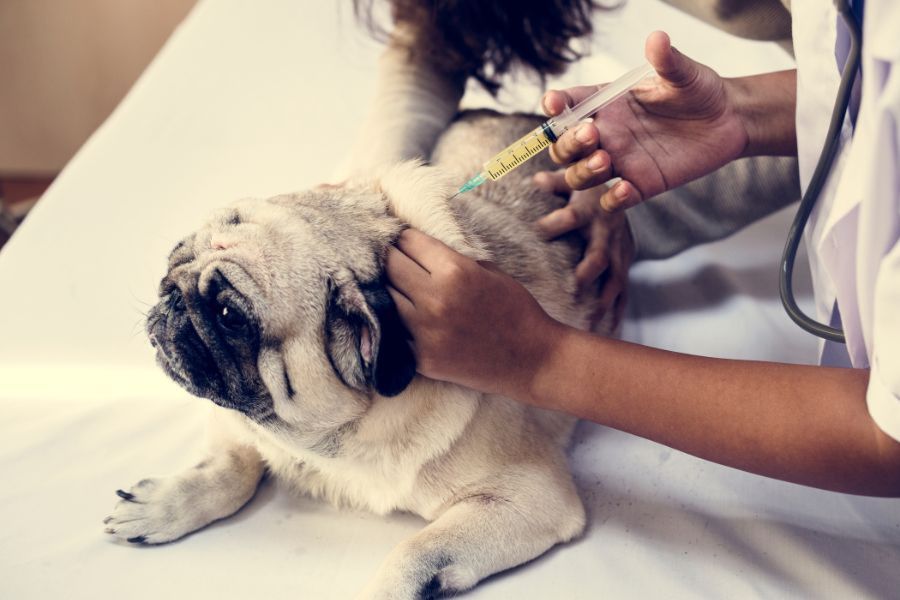


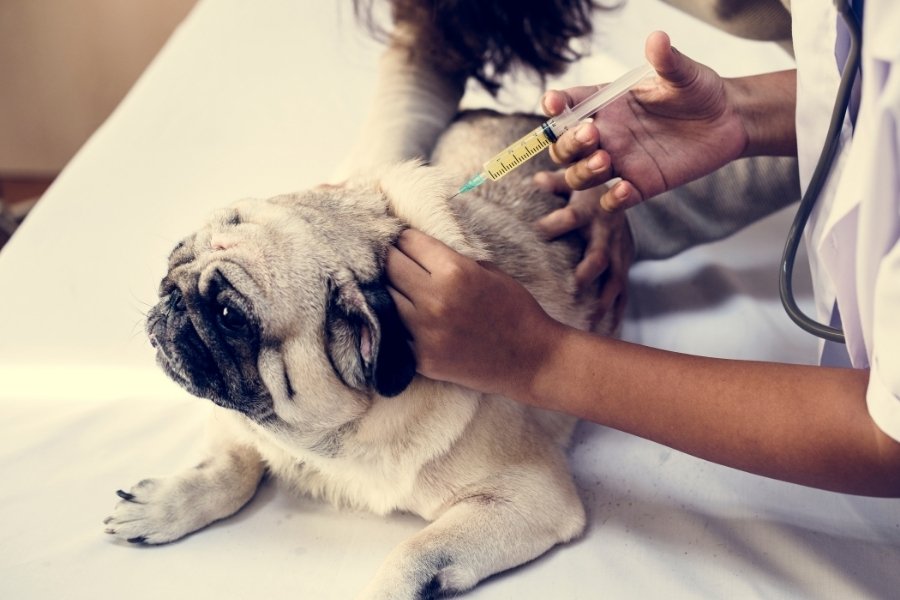
Welcoming a new puppy into your home fills your heart with joy and excitement. However, along with the cuddles and playtime comes an important responsibility: keeping your puppy healthy. One of the most crucial steps in safeguarding your pup’s health is timely vaccinations.
In this article, your trusted vet Southampton will guide you through the essentials of pet vaccinations Southampton—explaining why they matter, which vaccines your puppy needs, and how to keep your new furry friend protected from serious diseases.
Why Are Puppy Vaccinations So Important?
Puppies are born with immature immune systems, making them vulnerable to infectious diseases that can be life-threatening. Vaccinations jump-start their immune defenses, teaching their bodies how to recognize and fight harmful pathogens before they cause illness.
Without vaccinations, puppies risk exposure to diseases such as parvovirus, distemper, and rabies—conditions that can result in severe health complications or even death. Therefore, adhering to a vaccination schedule is vital in laying the foundation for a long, healthy life.
1. Core Vaccines: The Must-Haves for Every Puppy
Veterinarians classify some vaccines as “core” because they protect against highly contagious or fatal diseases. The main core vaccines include:
- Canine Distemper Virus: A deadly virus affecting respiratory, gastrointestinal, and nervous systems.
- Canine Parvovirus: A highly contagious intestinal infection often deadly in puppies.
- Canine Adenovirus (Hepatitis): Protects against liver disease and respiratory infections.
- Rabies: Required by law in many areas due to its fatal risk and transmission to humans.
Your Southampton vet will ensure your puppy receives these vaccines on schedule for maximum protection.
2. Non-Core Vaccines: Tailored Protection Based on Lifestyle
Aside from core vaccines, your puppy might need non-core shots depending on environment and lifestyle. These include:
- Bordetella bronchiseptica: Responsible for kennel cough, important if your puppy will be in boarding or daycare.
- Leptospirosis: Recommended if your puppy spends time outdoors or near standing water.
- Lyme Disease: Advised in regions with tick exposure.
Discuss your puppy’s daily activities with your vet to determine which non-core vaccines are appropriate.
3. When to Vaccinate Your Puppy: The Ideal Schedule
Puppy vaccination schedules typically start at six to eight weeks of age. Your vet will recommend booster shots every 3-4 weeks until your puppy reaches 16 weeks old. This series of vaccines helps build strong, lasting immunity as the maternal antibodies fade.
After the initial series, annual or triennial boosters keep immunity robust. Scheduling these appointments with your vet in Southampton ensures your puppy stays on track for ongoing health.
4. What to Expect During Vaccination Visits
Veterinary visits for vaccinations often include more than just shots. Your Southampton vets will:
- Conduct a thorough health exam to ensure your puppy is ready for vaccines.
- Discuss preventative care including flea, tick, and worm control.
- Answer any questions or concerns you may have about your puppy’s diet, behavior, or environment.
Introducing your puppy to the vet early sets the stage for comfortable, positive visits throughout their life.
5. Managing Common Concerns and Side Effects
It’s normal for pet parents to worry about vaccine side effects. Most puppies experience only mild reactions such as temporary soreness at the injection site, slight lethargy, or reduced appetite. Severe side effects are rare.
If your puppy shows symptoms like persistent vomiting, difficulty breathing, or swelling, contact your vet Southampton immediately. They can provide advice and appropriate care if needed.
6. Why Choose a Local Vet Southampton for Vaccinations?
Choosing a local veterinary clinic for your puppy’s vaccinations means convenient scheduling, ongoing personalized care, and access to emergency services if required. Your local vet understands regional disease risks and can tailor vaccination and wellness plans accordingly.
By partnering with a trusted pet vaccinations Southampton provider, you establish a solid foundation for your puppy’s health journey.
FAQs About Puppy Vaccinations
Q1. Can vaccinations make my puppy sick?
Ans. Mild side effects like tiredness or soreness are normal, but vaccines do not cause the diseases they protect against.
Q2. How often should my puppy get vaccinated?
Ans. Puppies usually start at six to eight weeks old with boosters every 3-4 weeks until about 16 weeks, then annual or triennial boosters after that.
Q3. When can my puppy go outside after vaccinations?
Ans. Generally, puppies should avoid high-risk areas until their vaccination series is complete to prevent disease exposure.
Q4. Are vaccines different for small vs. large breeds?
Ans. No, vaccine types are the same, but dose and timing may be tailored for your puppy’s needs by your vet.
Q5. What if I miss a vaccination appointment?
Ans. Contact your vet Southampton to reschedule as soon as possible. Delaying vaccines leaves your puppy vulnerable.
Q6. Can puppies be vaccinated if they are sick?
Ans. Vaccinations are usually postponed if the puppy is ill to ensure they respond optimally and to avoid complications.
Conclusion:
Vaccinating your puppy is one of the most important steps to protect them from preventable, serious diseases. By following a vaccination schedule designed with your vet Southampton, you set your puppy on the path to a strong, healthy future.
Don’t wait—connect with your local pet vaccinations Southampton provider today to give your puppy the best possible start in life. Their health—and your peace of mind—depend on it.