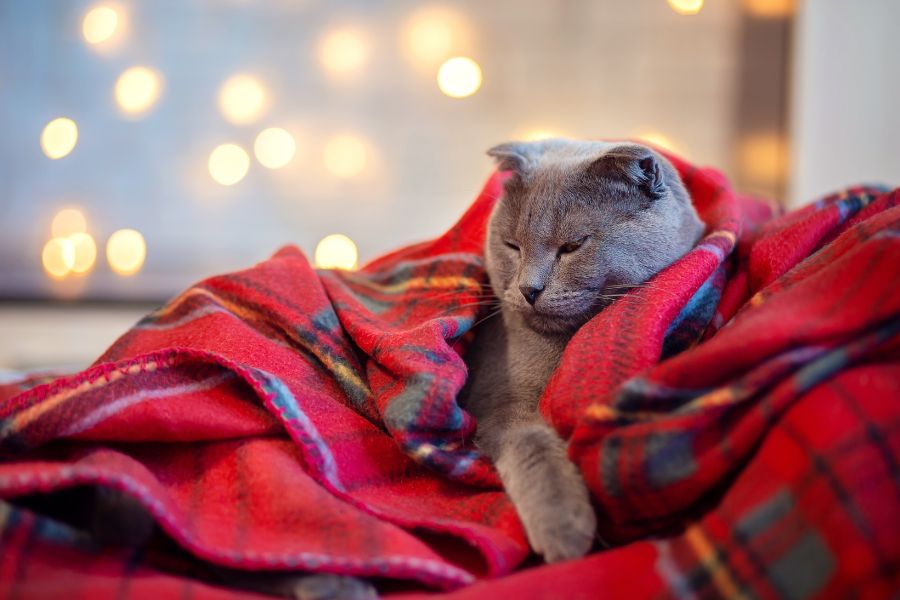


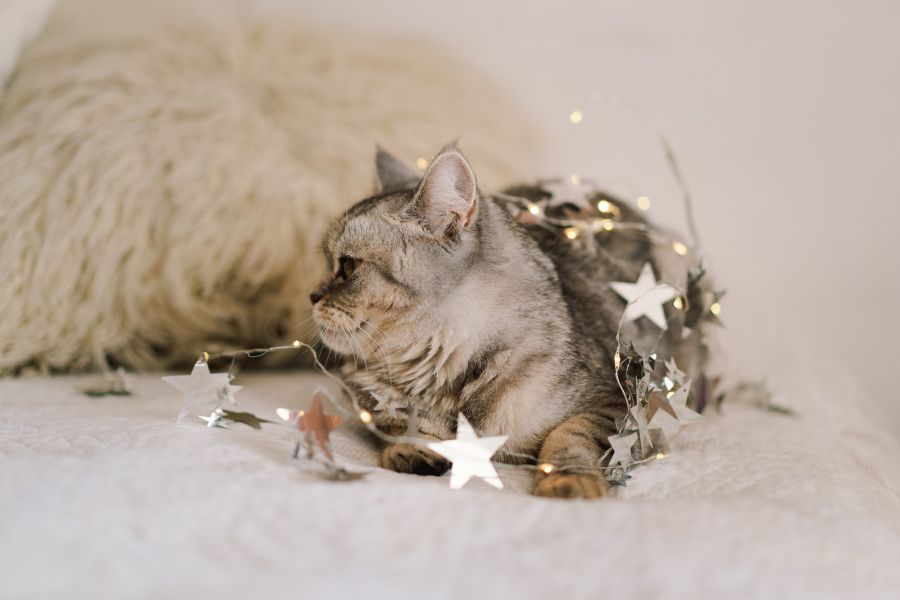
When the Fourth of July rolls around, most pet safety advice tends to focus on dogs. But cats are equally—if not more—sensitive to the chaos of fireworks, loud noises, unfamiliar guests, and changes in routine. While they may not bark or bolt during parties, their stress can show up in quieter—but equally concerning—ways.
Here’s how to recognize your feline friend’s unique needs during the holiday—and how preparing in advance can help prevent both emotional and physical stress.
Why the Fourth of July Is Hard on Cats
Cats are creatures of habit. Any change—whether it’s loud noises, unfamiliar visitors, or rearranged furniture—can cause them to hide or trigger stress-related health issues.
Holiday hazards for cats include:
- Fireworks and vibrations
- Loud music or guests
- Escape through open windows or doors
- Stress-induced health issues, like urinary problems or vomiting
Unlike dogs, cats often don’t express fear vocally—they become quiet, disappear, or withdraw. That makes preparation even more essential
1. Create a Safe Retreat Room
A calm, familiar space where your cat can retreat during the festivities is essential.
Setup tips:
- Choose a quiet, low-traffic room (like a bedroom or office).
- Add their bed, toys, water, litter box, and a hiding spot like a covered box or carrier.
- Use blackout curtains or drape blankets over windows.
- Play white noise or classical music to mask loud sounds.
Begin introducing your cat to this space several days before the holiday. Let them explore it on their terms.
2. Prevent Escape Attempts
Even indoor-only cats may attempt to flee when startled. The risk is greatest when guests are coming and going or when loud fireworks erupt.
To prevent escape:
- Keep cats indoors at all times on the Fourth.
- Double-check that window screens are secure.
- Use baby gates or keep your cat in their retreat room when guests arrive or leave.
- Post a sign on the retreat room door to keep it closed.
3. Recognize Stress Signals in Cats
Cats display stress differently from dogs. Watch for subtle signs:
- Hiding for prolonged periods
- Urinating outside the litter box
- Refusing food or water
- Excessive grooming or shedding
- Aggression or sudden mood changes
If you notice these behaviors, reduce stimulation and give your cat space. Don’t force cuddles—they’ll return to normal when they feel safe.
4. Consider Calming Products
Natural remedies and pheromone-based products can ease stress.
Options to try (after consulting your vet):
- Feliway diffusers or sprays: Mimic calming facial pheromones
- Calming treats or supplements with L-theanine or tryptophan
- Herbal aids like chamomile or valerian root
- CBD products (only if specifically formulated for cats and vet-approved)
Begin using a few days before the holiday for best results.
5. Litter Box Location Matters
Don’t forget to provide easy access to a litter box in your cat’s safe zone. If they can’t get to their usual box due to guests or closed doors, accidents will happen, and can add to their stress.
6. Manage Interactions with Guests
Some cats enjoy socializing, but most prefer solitude when their routine is disrupted.
To reduce stress:
- Ask guests not to seek out or pick up your cat.
- Keep your cat in their safe room if they’re shy or nervous.
- Monitor children around your pet and supervise all interactions.
This ensures your cat won’t feel trapped or cornered.
7. Monitor for Post-Holiday Health Issues
Stress can affect more than behavior—it can impact health.
Watch for:
- Difficulty urinating (especially in male cats, a possible emergency)
- Refusal to eat for more than 24 hours
- Vomiting or diarrhea
- Lethargy that continues after the event
If symptoms persist, contact your veterinarian.
Prepare in Advance for Feline Peace of Mind
Start making adjustments to your home environment a few days before the Fourth. Cats are highly observant—they’ll notice shifts in routine and surroundings early on. The more predictable and secure their space feels, the better they’ll tolerate the external chaos.
Your cat might not run out the door or vocalize, but that doesn’t mean they’re unaffected by holiday stress. From creating strategic safe spaces to noise reduction and calming products to consulting a veterinarian, a little advanced planning can protect your feline friend’s physical and emotional well-being.
Give your cat the gift of quiet, safety, and predictability this July 4th. They may never say “thank you,” but their calm behavior and peaceful presence will say it for them.